


















Before the mechanical clock, timekeeping instruments
Exploring the evolution of clock mechanisms provides insight into the technical advances and modernizations that have been made to clocks over time. The ancestor of the pendulum clock, the pendulum clock, and the watch, a clock is an object familiar to everyone. This term actually derives from the combination of two Greek words: “hora” and “legein.” “Horloge” simply refers to “an object that tells the time”; the two terms signify, respectively, divisions of time—such as seasons and hours—or “hôra,” and “legein,” which translates to the verb “to say.”
Specialists in horology, historians specializing in the study of measuring instruments, and the general public commonly use the term “clock” to refer to mechanical clocks, the main precursor to modern watches. The emergence of the very first clocks, or clocks with mechanical movements, dates back to a period between the 13th and 14th centuries.
Before this time, the ancient timekeeping systems used to measure time included the hourglass, the sundial or astronomical clock, and the clepsydra. These are grouped under the term “horologia.” Used since Roman antiquity to meet various needs related to agriculture or religious worship, they made it possible to determine a duration or estimate time with varying degrees of efficiency and accuracy. The measurement of time then underwent a major transformation with the advent of the mechanical clock.
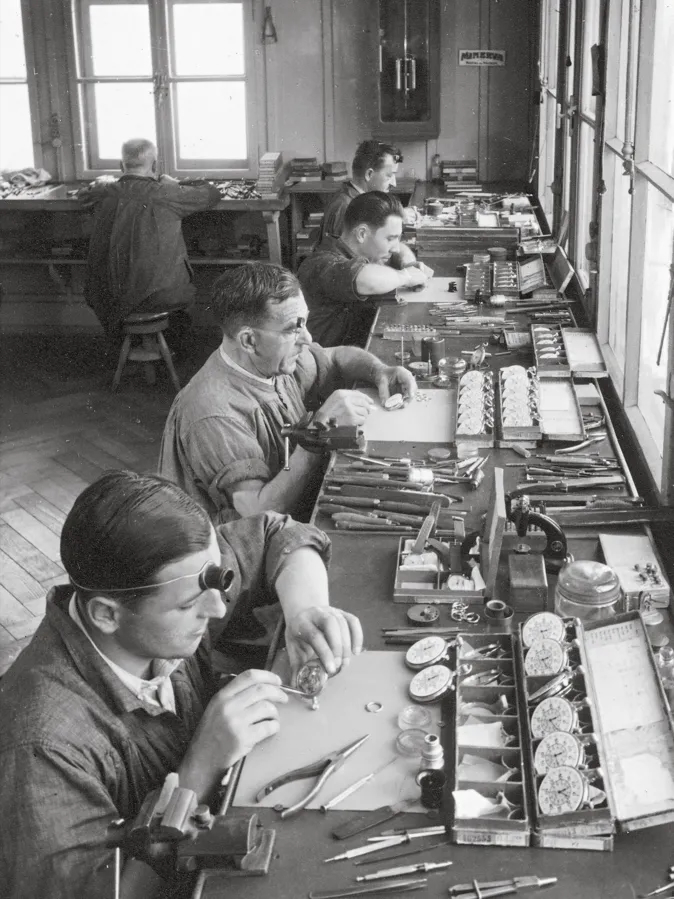
From the 14th to the 17th century: the emergence and evolution of the clock in Europe
It was in the mid-1300s that the first mechanical clocks underwent their first revolution. Known as mechanical weight-driven clocks, these imposing timekeeping devices were installed high up near the tops of large buildings. They operated using a set of crown wheels powered by a weight suspended from cables. The first astronomical clock at Strasbourg Cathedral, for example, was built in the mid-14th century. This type of clock is unique in that it displays the time as well as astronomical information, such as the relative positions of the sun and moon. In addition to the one in Strasbourg, the clocks in St. Albans, England, and in Milan and Padua, Italy, were also built in the mid-14th century.
The 15th century saw the emergence of mechanical clockmaking in Germany, marked by the invention of the mainspring. This advance in mechanical clockmaking made it possible to manufacture clocks for use both outdoors and indoors. From the end of that century onward, the craft of clockmaking became even more refined, and practitioners of the trade attained greater technical mastery. Working methods and the designs of timepieces also evolved, and astronomical clocks advanced further. Some clocks were sometimes adorned with automata, designed to chime several times each day to mark a specific hour.
During the Renaissance, the first watchmaking workshops began to appear in major cities. The capital of the Kingdom of France, for example, established the first bylaws for a watchmakers’ guild in the mid-1500s. Bavaria was also a major center of clockmaking during this period, particularly in the 16th century. German artisans specialized in crafting clocks with automata and exported their creations to the Ottoman Empire. Other European regions also saw a boom in watchmaking activity during the same period. In Geneva and London, for example, the arrival of watchmakers fleeing the Wars of Religion contributed to the evolution of watchmaking on the Old Continent in the 17th century. From the First Portable Watches to Precision Watches, from the 16th Century to the Present Day
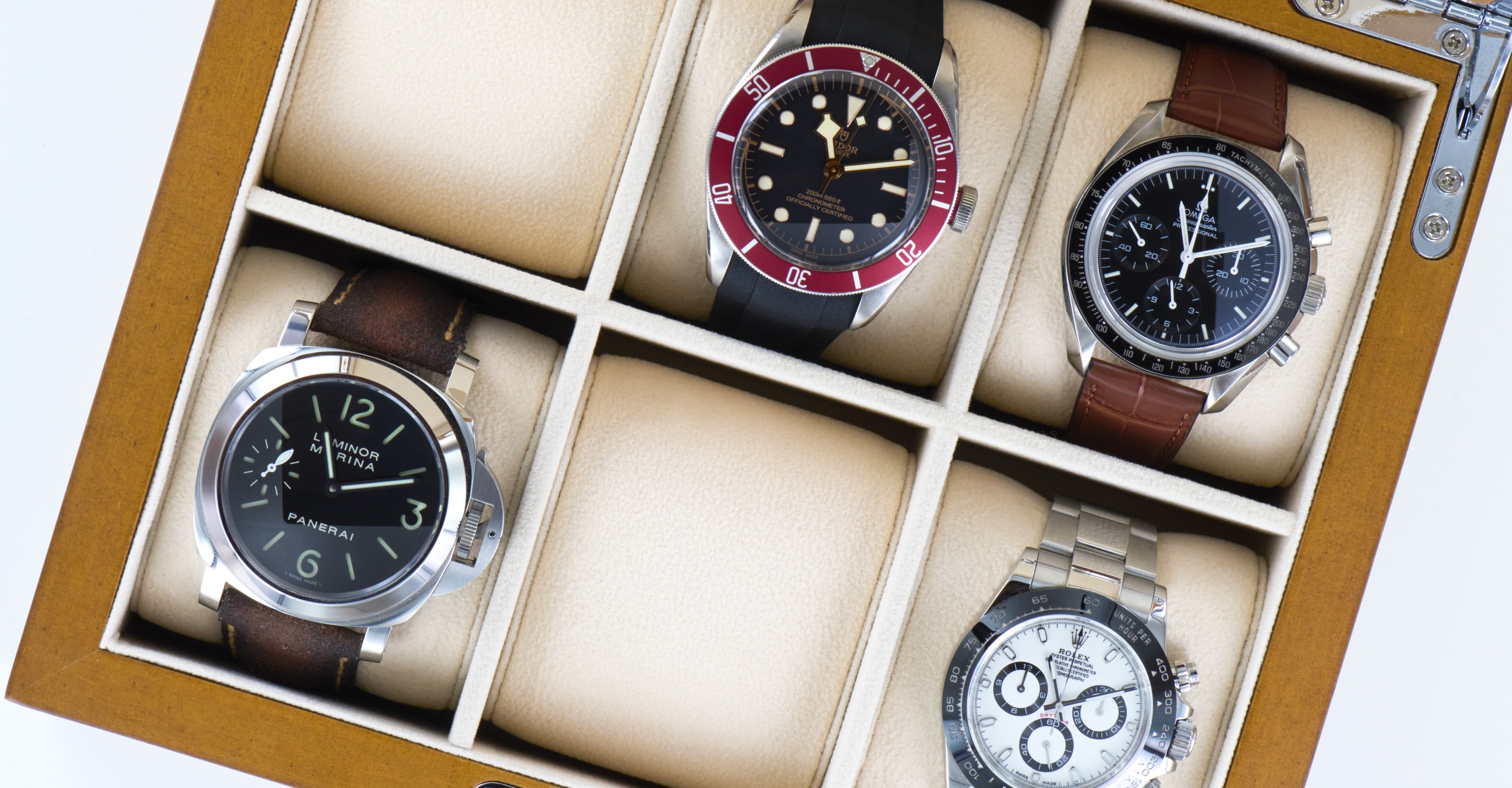
Whether by Patek Philippe, Breitling, or IWC,smart, self-winding, quartz, or complication models, the watch secured to your wrist with a watchband is the heir to a long history of evolution. From a simple watch with a case originally made of steel, it has evolved into an accessory with multiple functions. Significant developments date back to a period beginning around the 1500s.
The First Appearance of Watches in the 16th Century Thanks to technical advances made possible by the spring, miniaturized and portable versions of clocks appeared in the 16th century. Many observers credit the German watchmaker Peter Henlein with the creation of these timepieces. One of the oldest known watches, however, was assembled in 1530 by a watchmaker who remains unidentified to this day.
These miniature timepieces are worn around the neck on a chain. They are spherical in shape, and their spring must be wound manually each day to keep it taut. This specific feature gave rise to watches—such as watches or pocket watches—whose dial is fitted with a cover attached by a chain to a vest.
Invention of the automatic movement

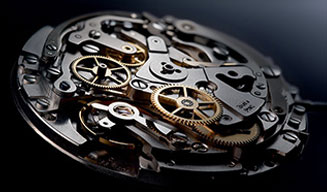
It was then in the 18th century that the automatic variant of the mechanism appeared. The Swiss master watchmaker Abraham Louis Perrelet was one of its pioneers. His ingenious system is a self-winding mechanical watch. It works by means of a rotor that spins, driving gears that wind the mainspring automatically. This invention marked another revolution in the field of watchmakingThe wristwatch, an innovation that popularized portable timepieces
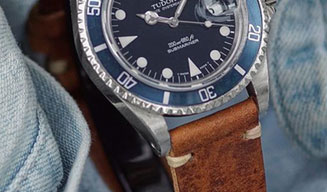
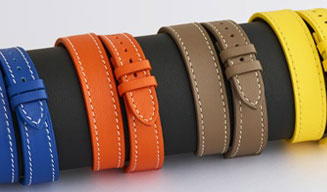
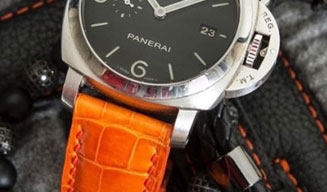
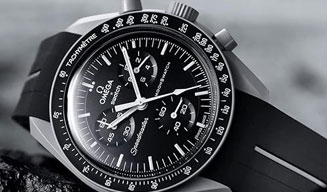
Watches designed to be worn on the wrist began to appear in the late 18th century. Around 1790, the first wristwatches were noticed in Geneva. Initially considered a women’s watch, this variant of the miniaturized timepiece did not truly gain acceptance until nearly a century later. From Breguet to Omega, brands in the Swiss watch industry began mass-producing wristwatches around 1880, and they became popular with the public thanks to their use by the military and aviators. Mechanical watches were more practical at the time; they were more resistant to shocks and their cases were flatter. Securely fastened to their leather, steel, or nylon watch straps, certain watch models quickly become water-resistant, making them suitable for diving.
Quartz: The Key Component in Precision Watches
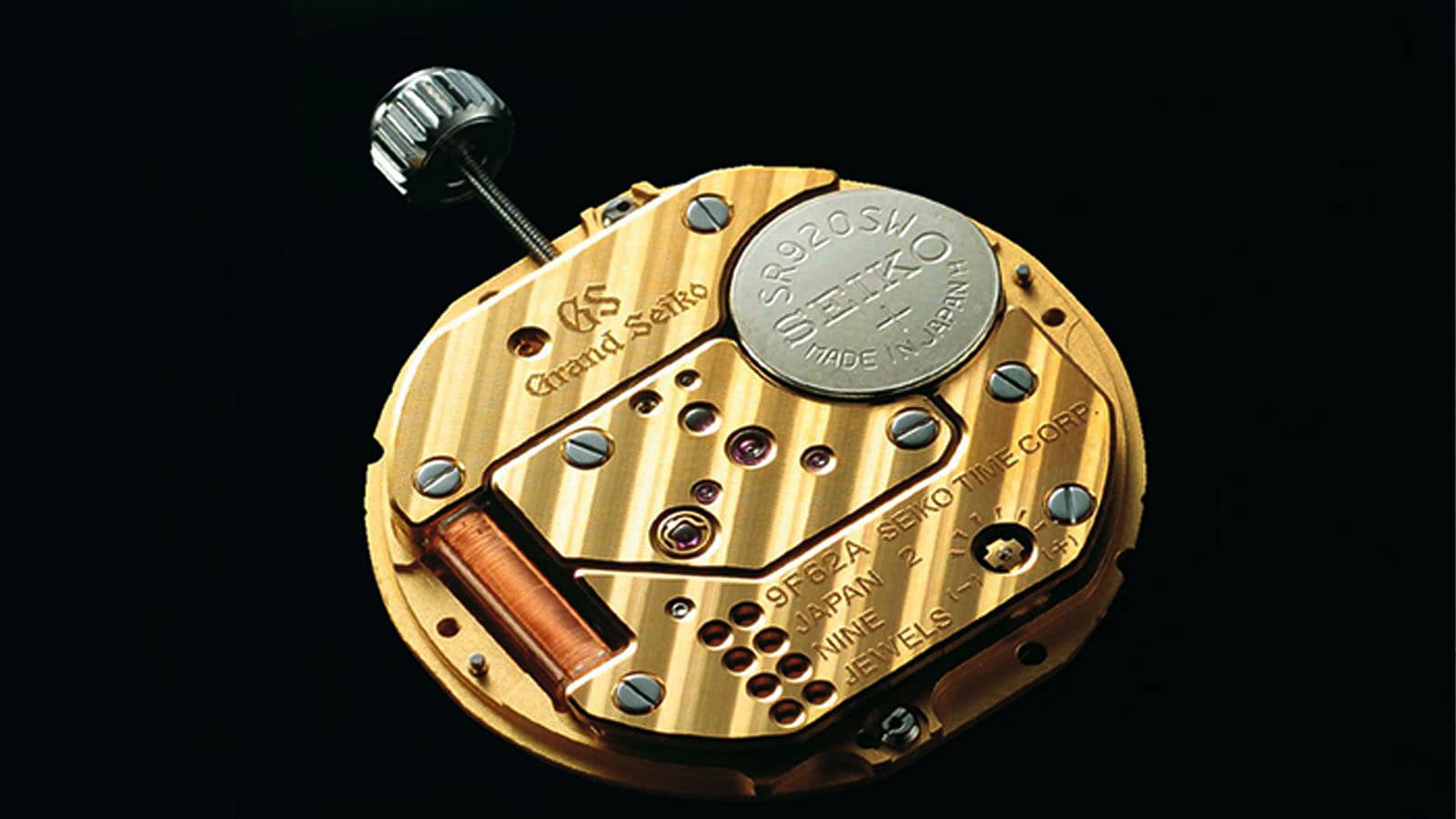
The Land of the Rising Sun—and the Seiko brand, more specifically—sparked another revolution in the watchmaking industry in the 20th century. The integration of quartz into the mechanism was a completely innovative approach at the time and brought with it a host of improvements. Not only did this inexpensive component drastically reduce the cost of the quartz watch, but it also improved its accuracy. Powered by electric energy from a battery, the quartz oscillates continuously within a watch and drives the quartz movement with unmatched stability, resulting in high-precision timepieces.
A New Concept in Watches: Smartwatch Variants
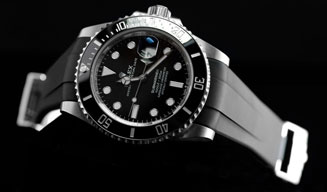
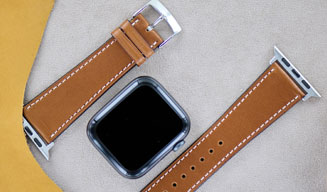
Smartwatches are one of the most recent versions of the miniaturized, wearable timepiece. Popular since the 21st century, these watches—known as smartwatches—feature touchscreens and are often equipped with a rubber watch strap, are paired with users’ smartphones and offer various features. In addition to telling time and being waterproof, they can, among other things, count the number of steps taken during the day, measure distances traveled, monitor heart rate, display emails, and more.


