












Winding: An Essential Step for the Proper Functioning of a Watch
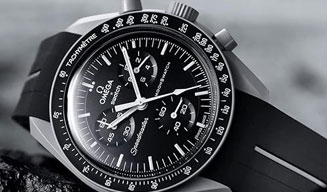
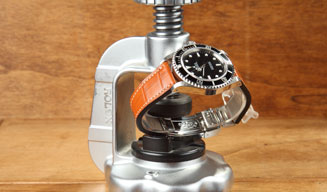
Winding the movement of your watch is an absolutely essential step for your hand-wound timepiece. Despite the popularity of quartz watches and self-winding models, several brands such as Vacheron Constantin, Rolex or IWC regularly produce manual-winding models. When winding a watch, be sure to follow the brand’s instructions carefully. Each watch may require a specific number of wind turns to reach its power reserve and continue running while maintaining its accuracy.
In some cases, automatic watches may also need to be wound to ensure optimal performance. This can happen if you own several timepieces and rarely wear your watch. The natural movement of your wrist is usually enough to wind the watch automatically, but when it is not worn regularly, its movement may stop, and it will need to be wound manually or using an automatic winder. To avoid this situation and maintain the efficiency of your timepieces, it is advisable to alternate their use, especially when they are self-winding.

Quartz watches, on the other hand, operate using a quartz crystal and a battery. Replacing the battery at regular intervals is important to prevent sudden malfunctions. Scheduled battery replacement as part of routine maintenance of the watch ensures its continued accuracy and reliability.
Strap, crystal, and exterior parts: tips for proper care
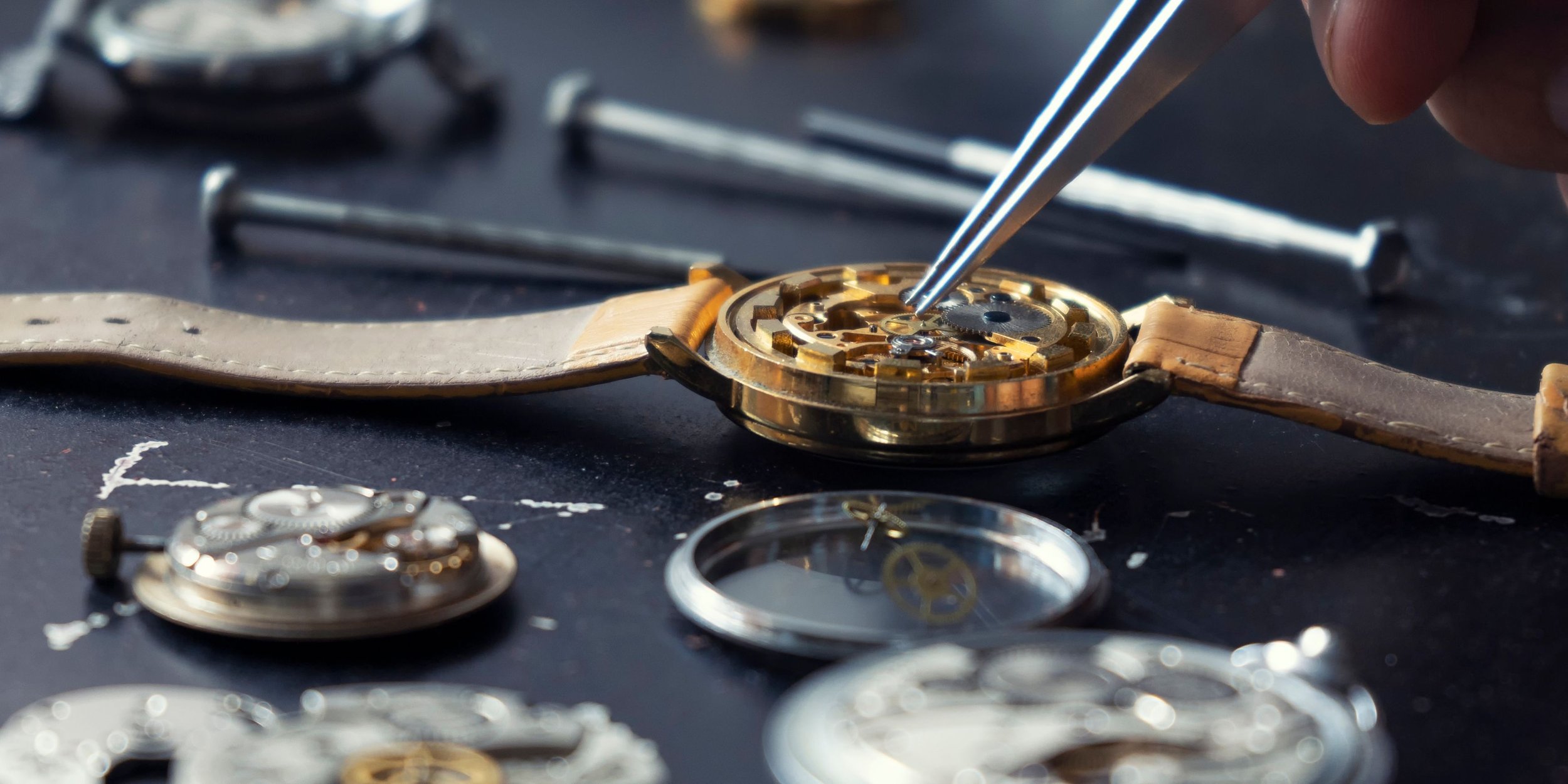
The various parts of your watch can also be maintained periodically to keep them looking their best:
- Caring for the case
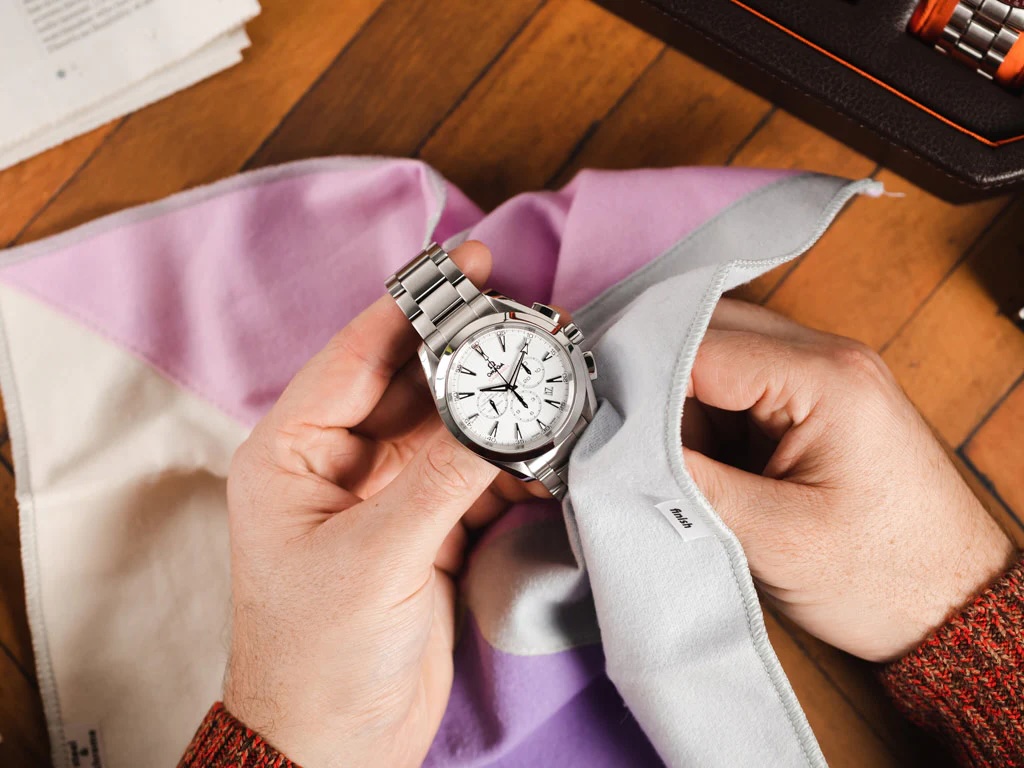
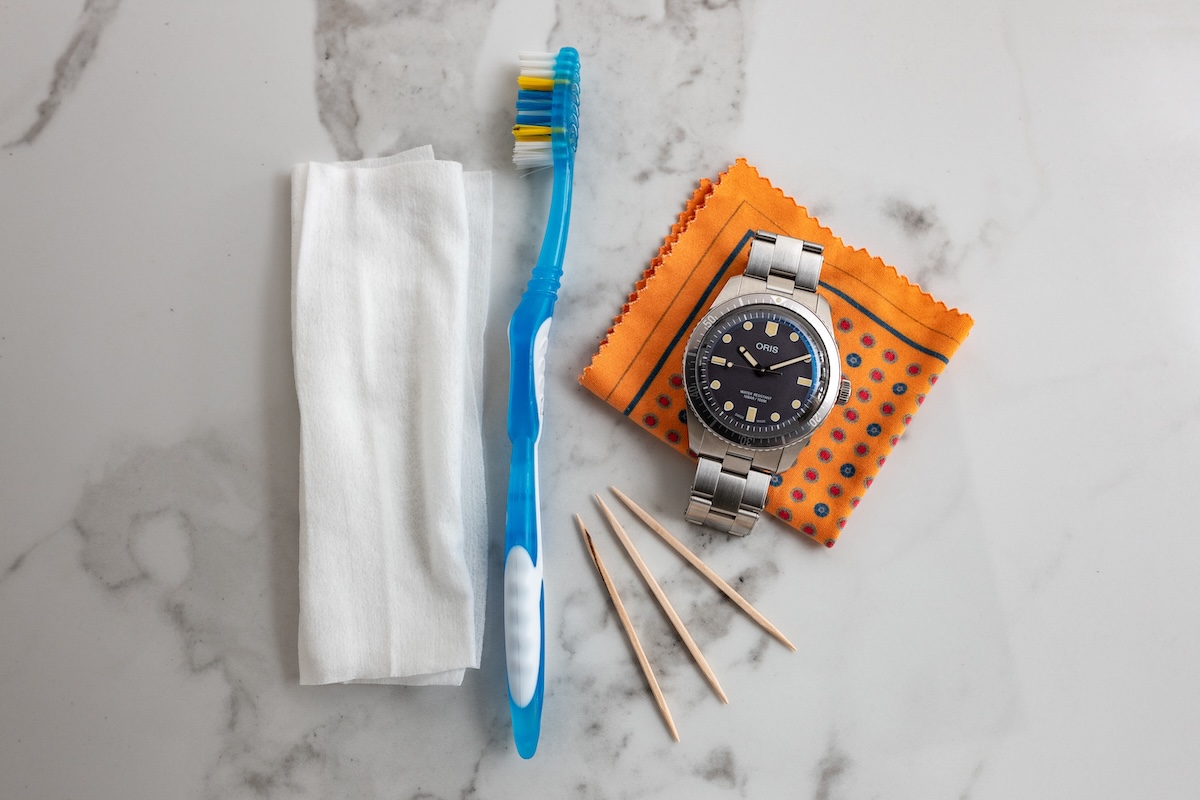
Follow this essential rule: gentleness is key. To clean the exterior of your watch, particularly the case, use a soft, dry microfiber cloth. For hard-to-reach areas, such as crevices, a slightly damp fine-bristled brush is also effective.
- restoring the glass’s shine
To reduce minor scratches and signs of wear, apply a small amount of toothpaste to a soft cloth and use gentle circular motions on the glass. The toothpaste acts as a gentle polish. Be careful not to get toothpaste on other parts of the watch, such as the case, the strap, or the dial. You’ll be amazed by the renewed shine of the glass. If your watch has deep scratches, only a professional watchmaker will be able to remove them or determine whether the glass needs to be replaced.
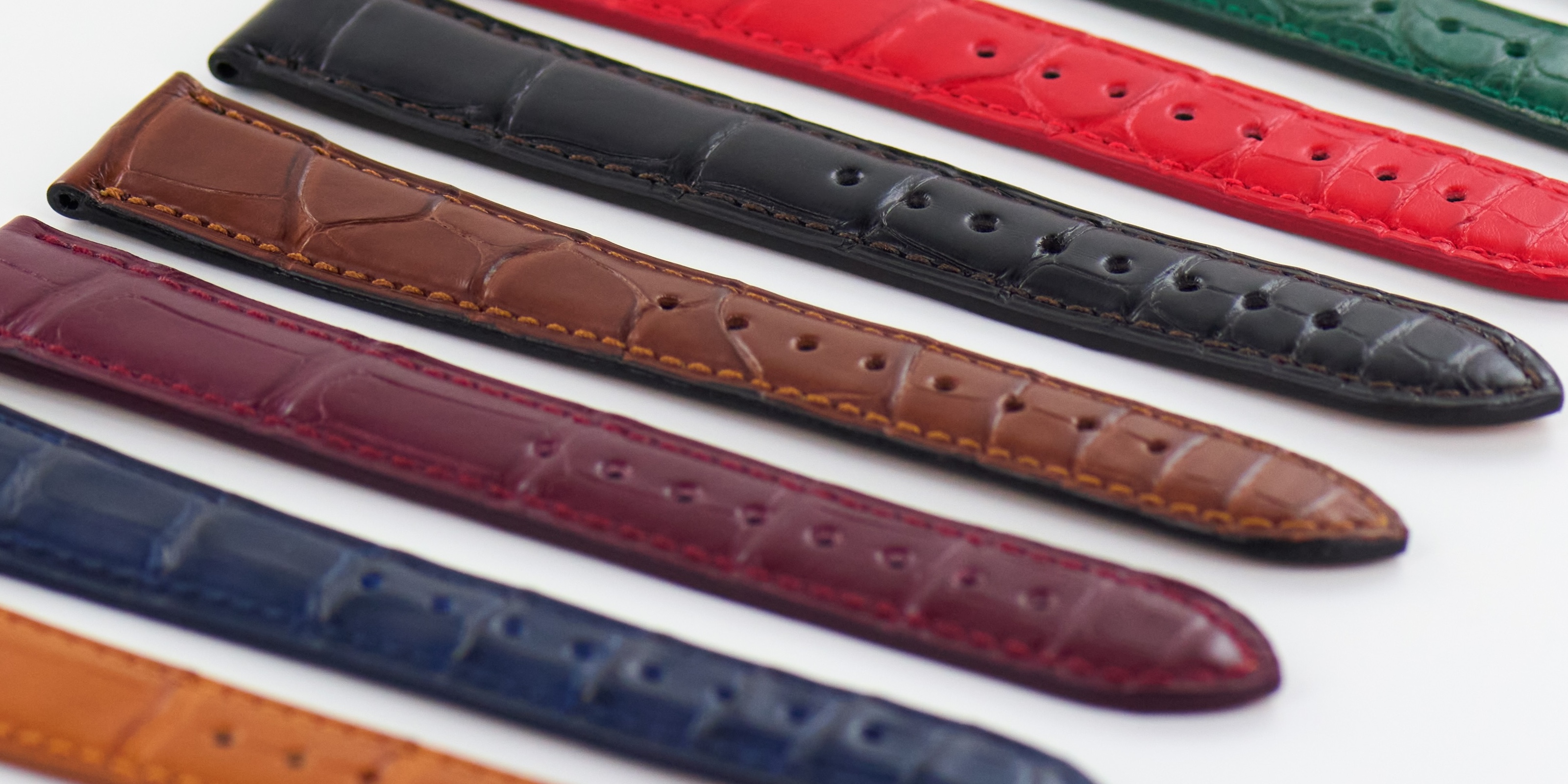
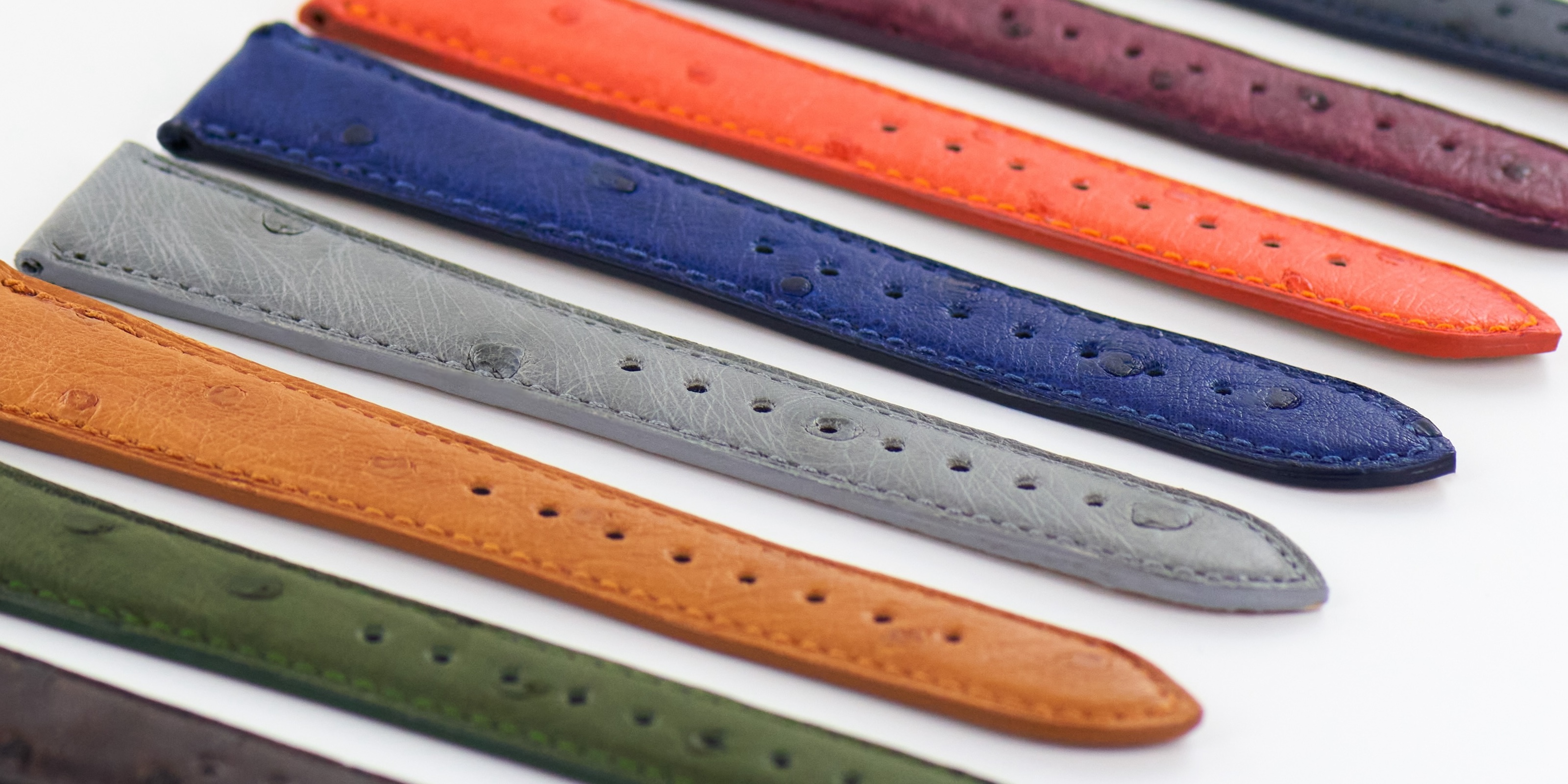
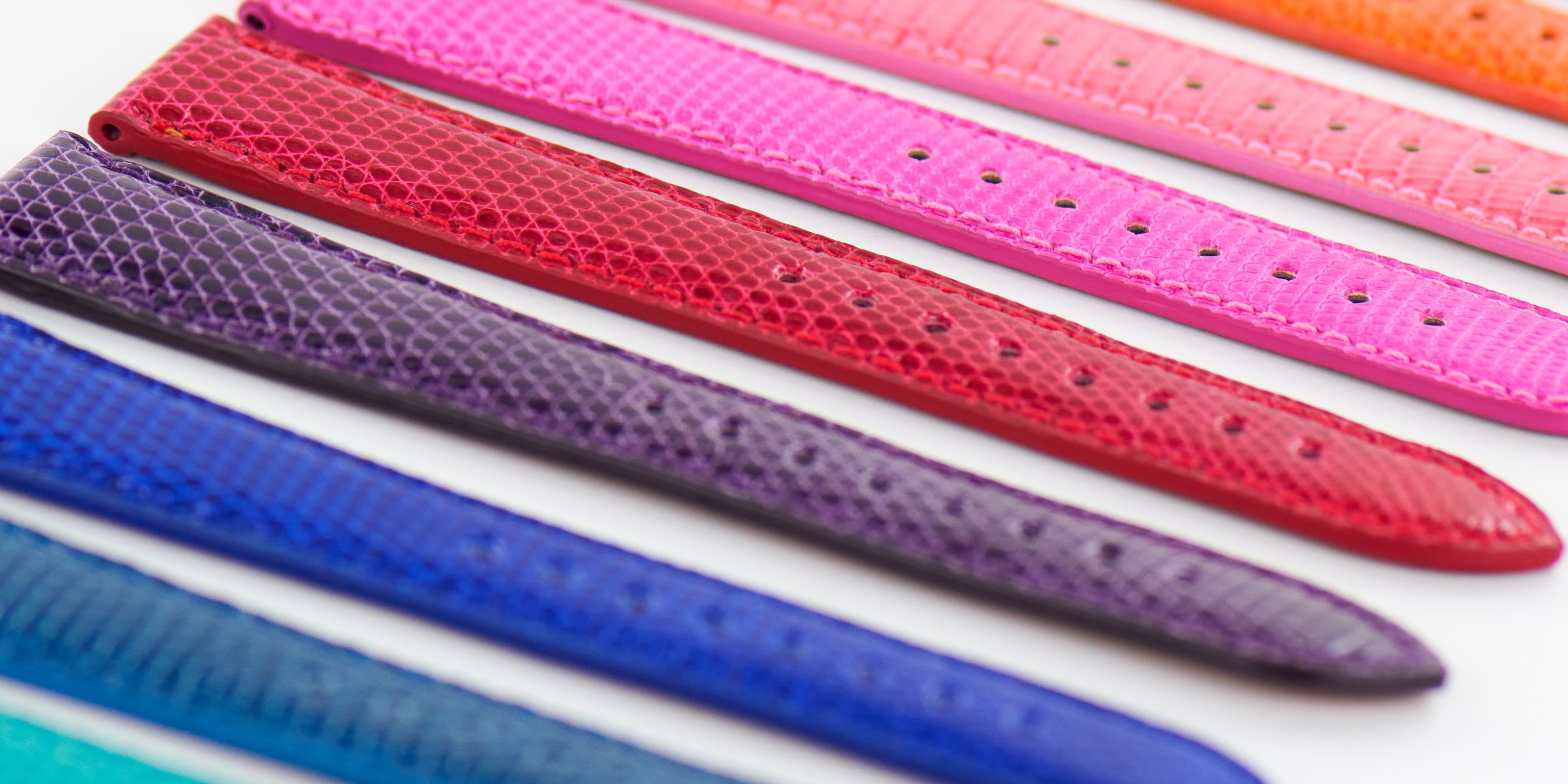
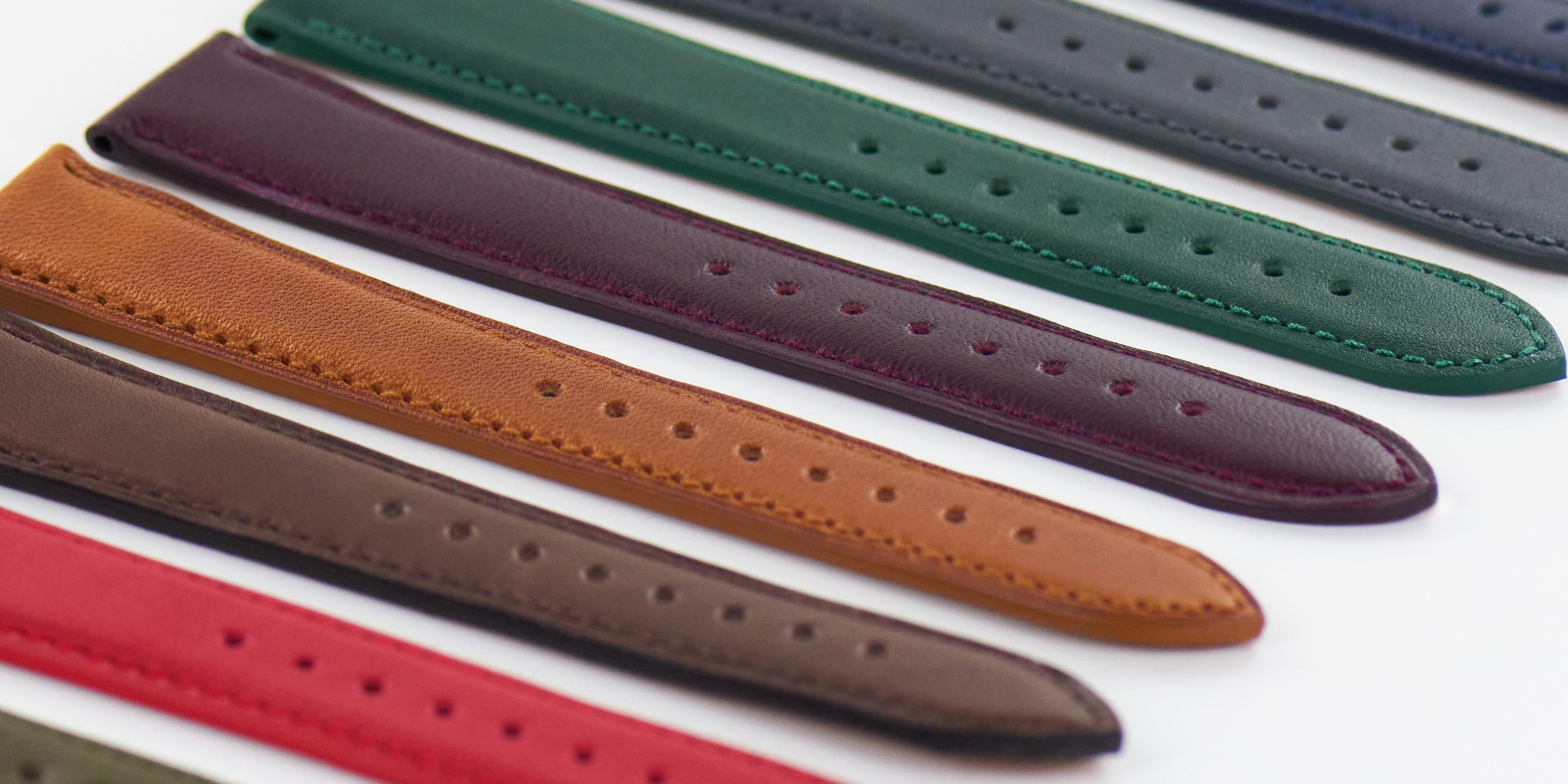
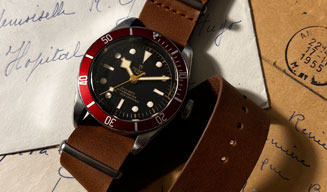
- Extend the durability and beauty of the strap
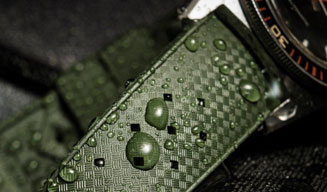
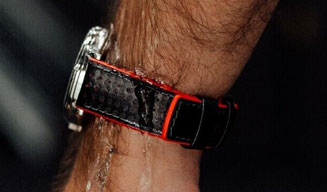
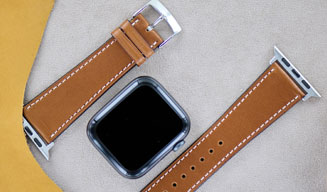
Cleaning a leather strap requires a bit of care. Dampen a soft brush with clean water mixed with a tiny amount of mild soap. Gently clean the strap, paying special attention to the seams and areas prone to friction. Gently rinse the strap with water to remove all traces of soap. Then let it dry at room temperature, away from any direct heat sources. If the strap on your watch is made of rubber or metal, dip a soft brush in soapy water and gently scrub the strap, paying special attention to the links or grooves. Then rinse with clean water to remove any soap residue. Use a soft, dry cloth to carefully wipe down the strap.
- Change the strap carefully
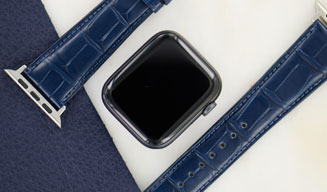
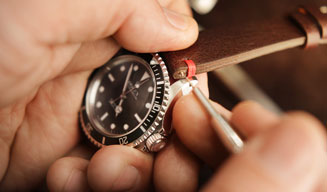
With interchangeable straps designed to fit all watch models available today, changing your watch strap is a simple process, but it is always recommended to do so with care. Abrupt movements or uncontrolled actions can damage the watch. Even slight scratches can affect its appearance and value.
Use the proper tools, such as a watch screwdriver. Place a soft cloth under the watch to prevent scratching it during the process. Take your time and proceed with care and concentration.
Golden Rules for Extending the Life of Your Watch
Your watch is a precious piece of jewelry that deserves to be treated with care. To preserve its beauty and ensure it continues to function properly, it’s important to protect it from certain external hazards:
- prolonged exposure to sunlight: direct sunlight can cause the case, gaskets, and possibly the strap to tarnish, discolor, and become brittle;
- shocks and vibrations: remove your watch when participating in intense sports or activities where there is a risk of impact. The internal mechanism of your timepiece may be affected by shock or prolonged vibration;
- chemicals and other solvents: Avoid contact with various products ranging from perfumes to bleach, including cosmetics and other harsh substances that can damage the components of the watch;
- sudden temperature changes: do not expose your timepiece to significant temperature fluctuations, which can damage the movement and cause condensation;
- Magnetic fields: Keep your watch away from powerful electronic devices, such as speakers, to avoid disrupting its movement.
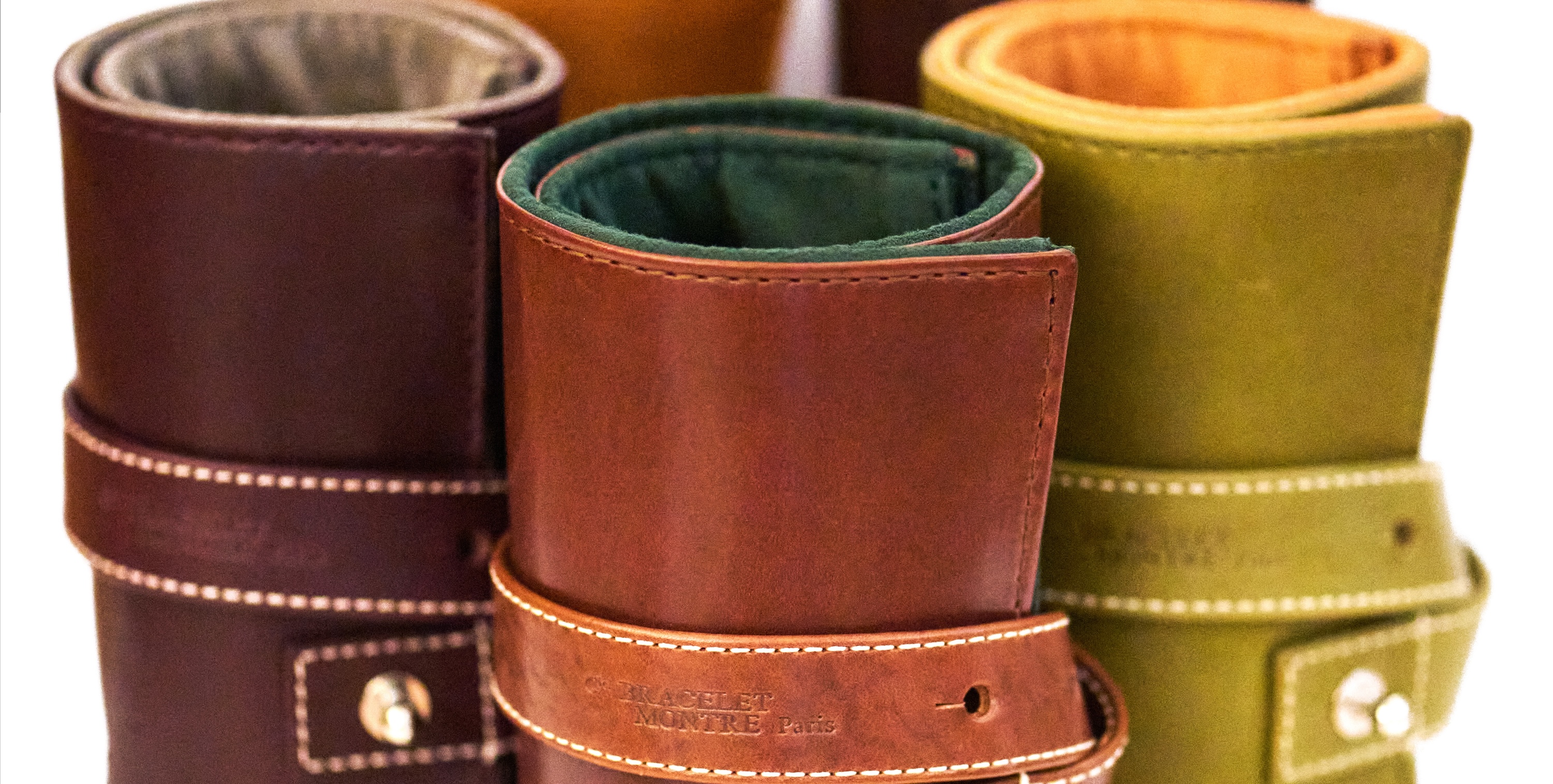
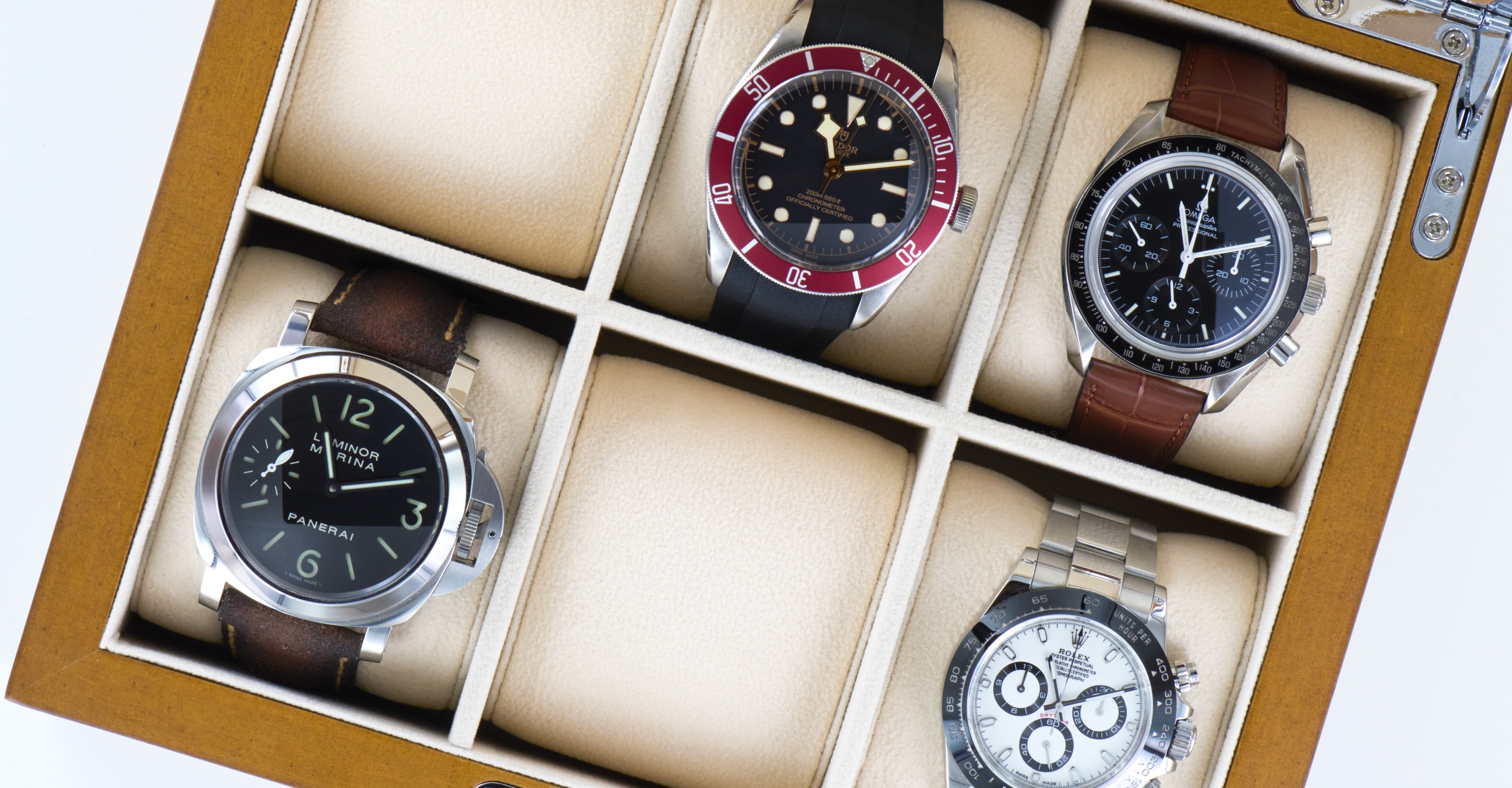
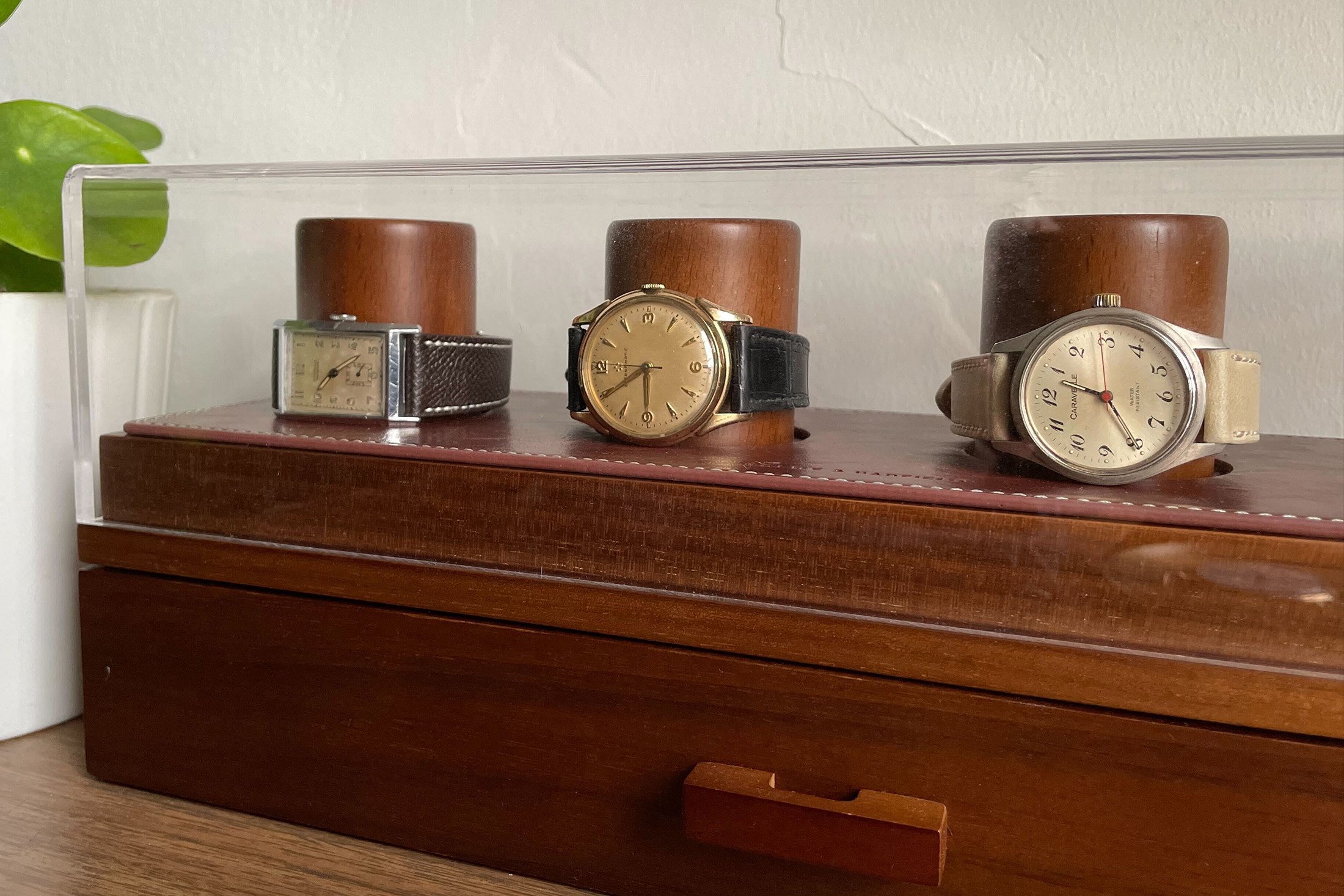
By making a habit of performing regular maintenance and taking a few precautions, you’ll keep your watch and its strap in top condition. Finally, don’t forget that when it’s not being worn, your watch deserves a cozy case to protect it and preserve its beauty. Use the box that came with your timepiece or opt for a watch case. Avoid humid, hot, and dusty environments.


