









The global watchmaking industry: the domain of several producing countries
France, the United Kingdom, Switzerland, and other countries on the Old Continent have each contributed in their own way to thehistory of watchmaking. The cathedrals of Strasbourg, Bern, Prague, and Stralsund in Germany are known as the first buildings to have had clocks installed as early as the 14th and 15th centuries. In the 21st century, companies operating in other countries have become industry giants and occupy leading positions in the global watchmaking industry, alongside the traditional watchmaking nations.
Two Asian countries lead the way in terms of the volume of watches exported worldwide. Hong Kong and China are, in fact, the largest manufacturers of timepieces and suppliers to global markets, with more than 630 million pieces exported, including approximately 530 million from China alone. Switzerland also ranks among the top three, exporting approximately 17 million watches, a figure that continues to rise.
Countries such as Germany and the United States contribute to the global trade in watches with approximately 13 million and 11 million units, respectively. With its long-standing expertise and a tradition of excellence in watchmaking, France also supplies the global market with approximately 4 million watches.
A Highly Segmented Industry
The global market for watches is immense, with approximately one billion units exported annually. Customer needs and expectations, as well as the budget allocated to purchases, dictate a specific segmentation of the global watchmaking industry.
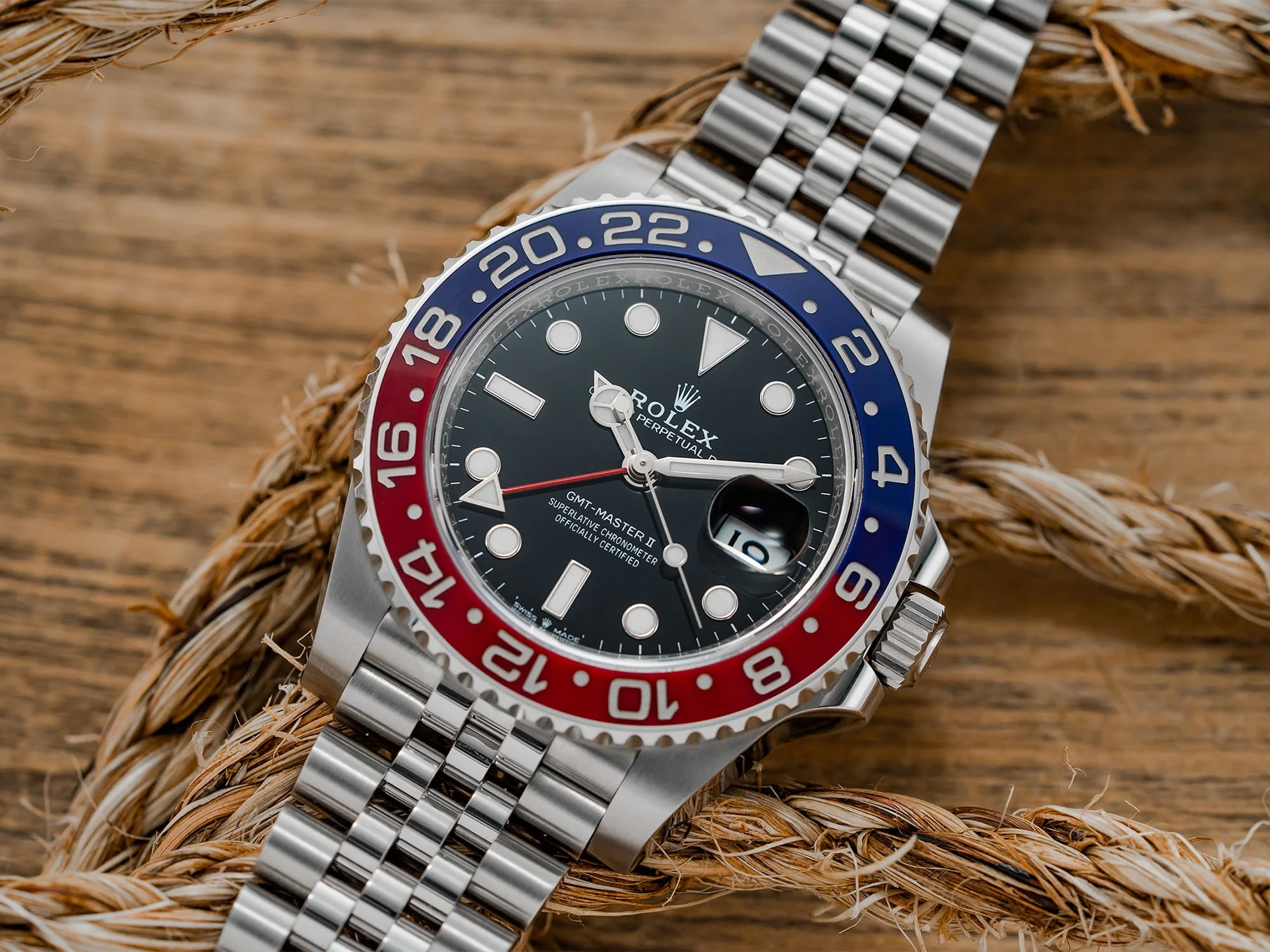
A large portion of customers is looking for a watch sold at a price that is accessible to everyone. These buyers typically spend anywhere from a few euros to a few hundred euros at most on a purchase. These watches are mostly produced in Asian manufacturing facilities and are characterized by being manufactured using low-cost processes.
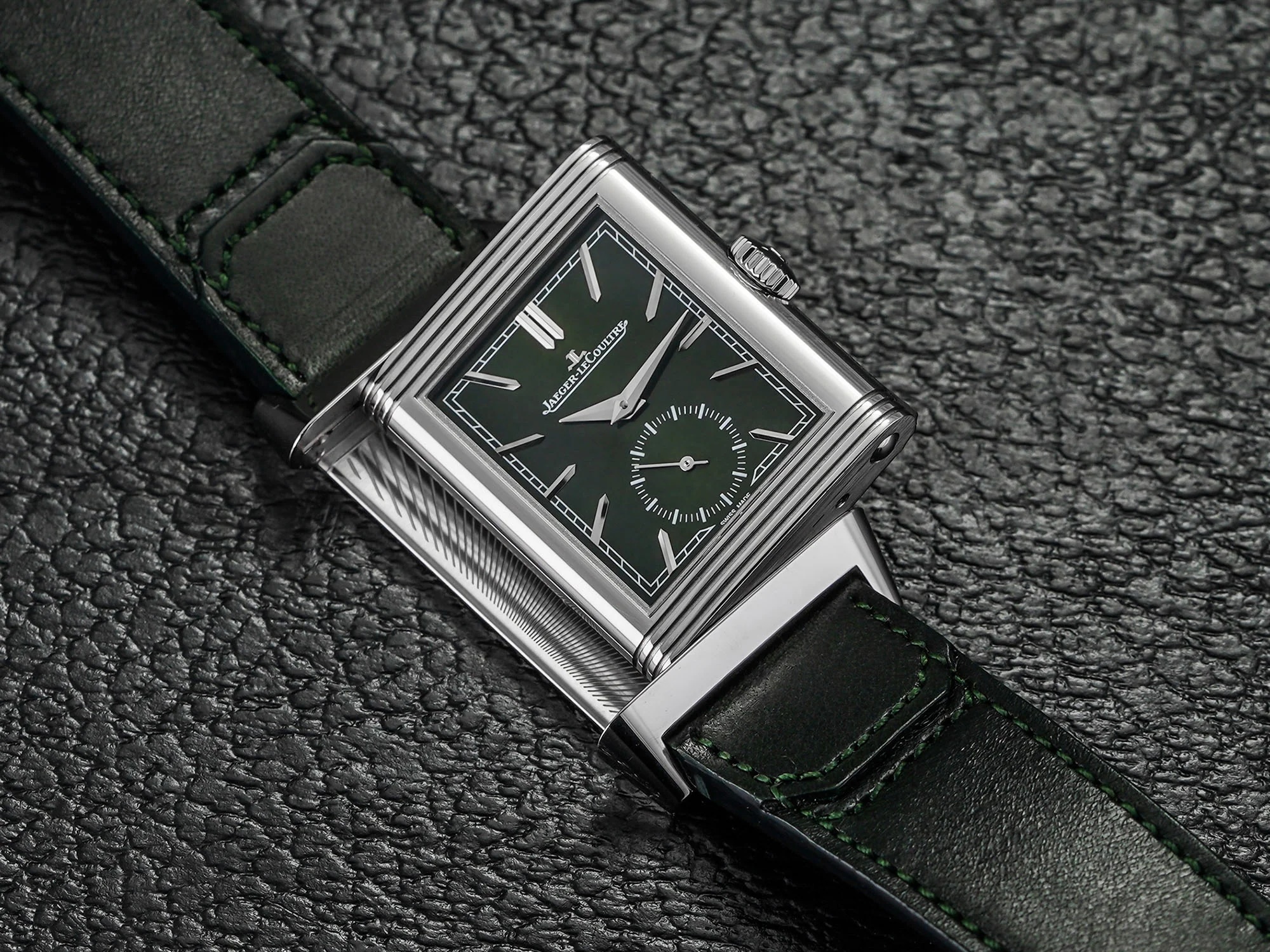
Mid-range watches and luxury and prestige timepieces account for the remainder of the market. Their share of sales represents only 10% of the global watch market. These ranges of watches are themselves divided into two main categories. On the one hand, a segment of the customer base favors watches that offer good value for money. These buyers prefer watches made with high-quality materials, featuring elaborate designs and advanced features. They cost a few hundred euros or even a few thousand euros.
The wealthiest segment of the customer base has a substantial budget for purchasing a watch, ranging from several thousand euros to tens of thousands of euros. These enthusiasts prefer watches crafted from precious materials, equipped with movements and featuring exclusive designs.
Switzerland, the world leader in the watchmaking industry
Europe remains the primary cradle of precision watchmaking. While Switzerland is a heavyweight in the global watchmaking industry, other countries such as Germany, Japan, and France are also major players in this market.
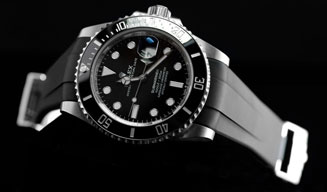
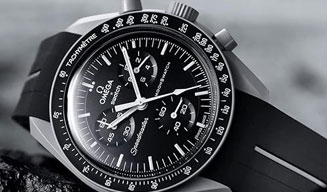
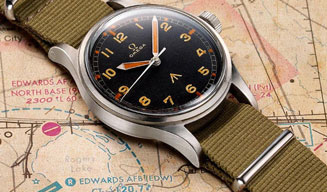
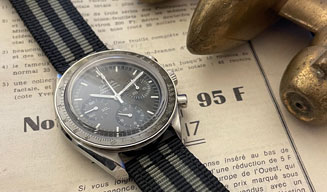
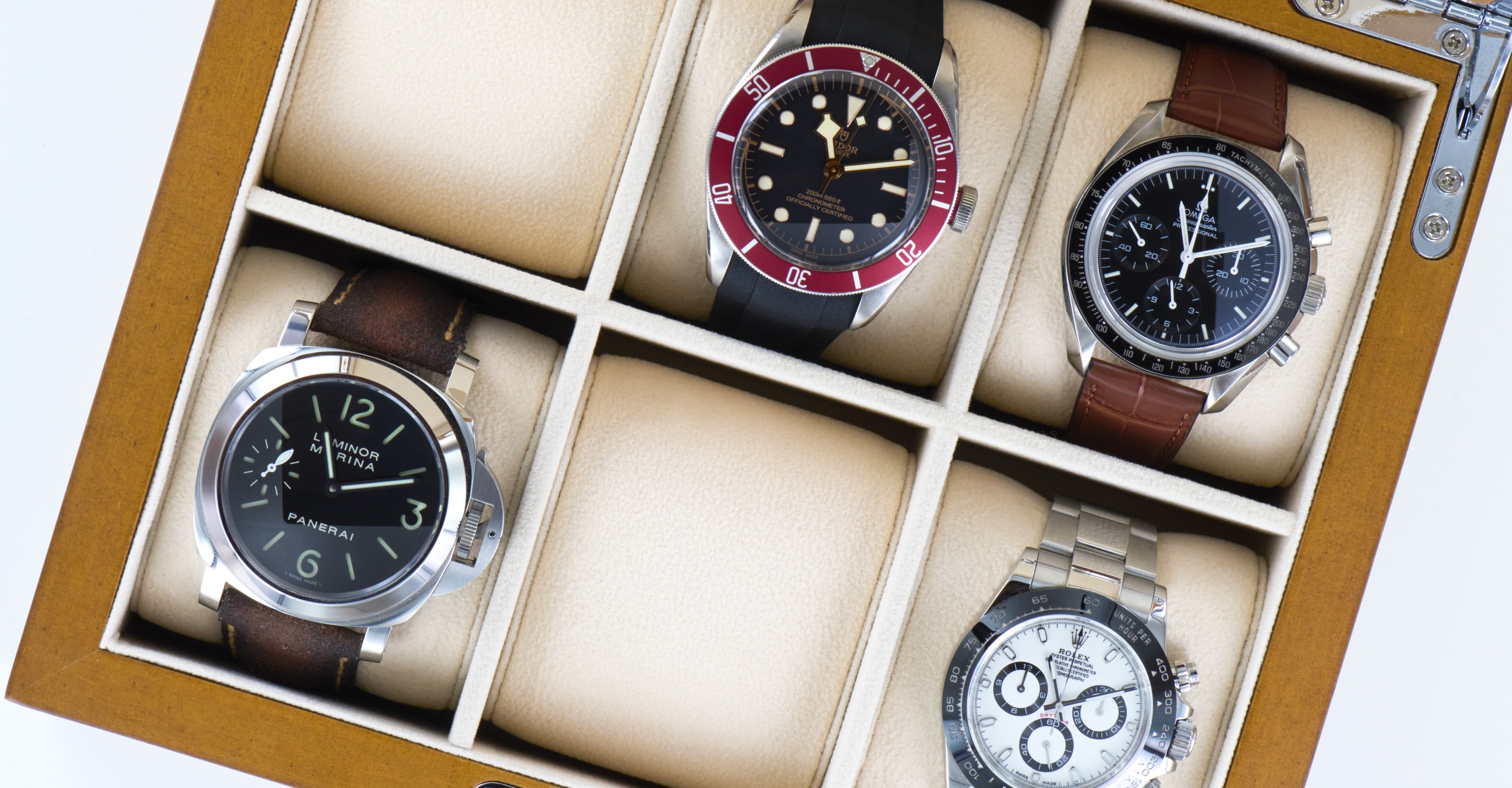
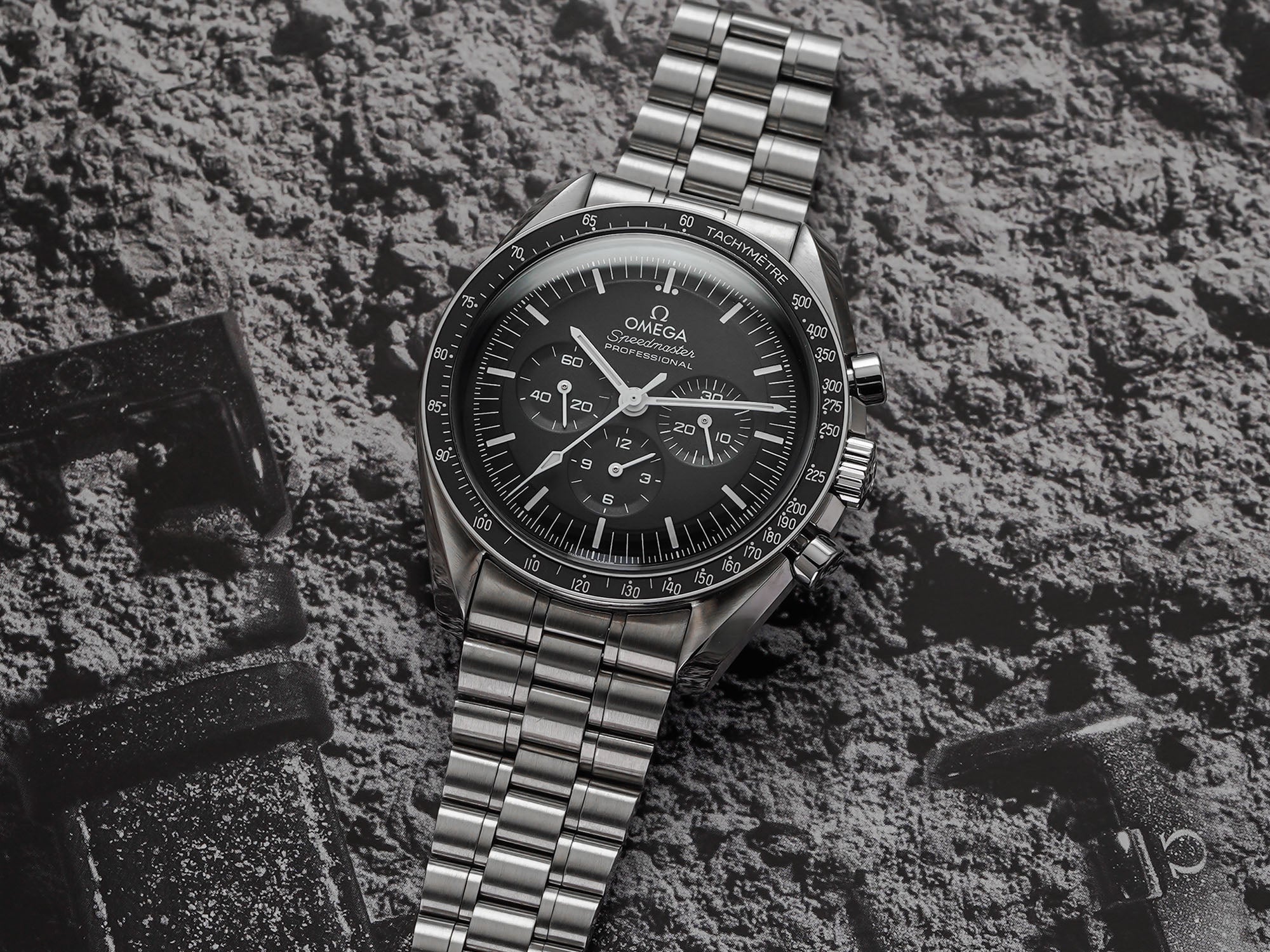
Known for its image of excellence and luxury, Rolex is one of the most iconic brands in Swiss watchmaking. It maintains an unshakable reputation thanks to the quality and durability of its watches. With brands such as Omega, Longines, and Tissot, the Swatch Group is another industry giant that diversifies its products while preserving traditional craftsmanship. Owner of prestigious brands such as Cartier, Jaeger-LeCoultre and Vacheron Constantin, Richemont also dominates the high-end timepiece segment thanks to its exceptional craftsmanship and strategic positioning in the luxury market. In Japan, Seiko is also revolutionizing the industry as one of the leading players in quartz watches. The brand continues to be a major manufacturer thanks to its technological innovations.
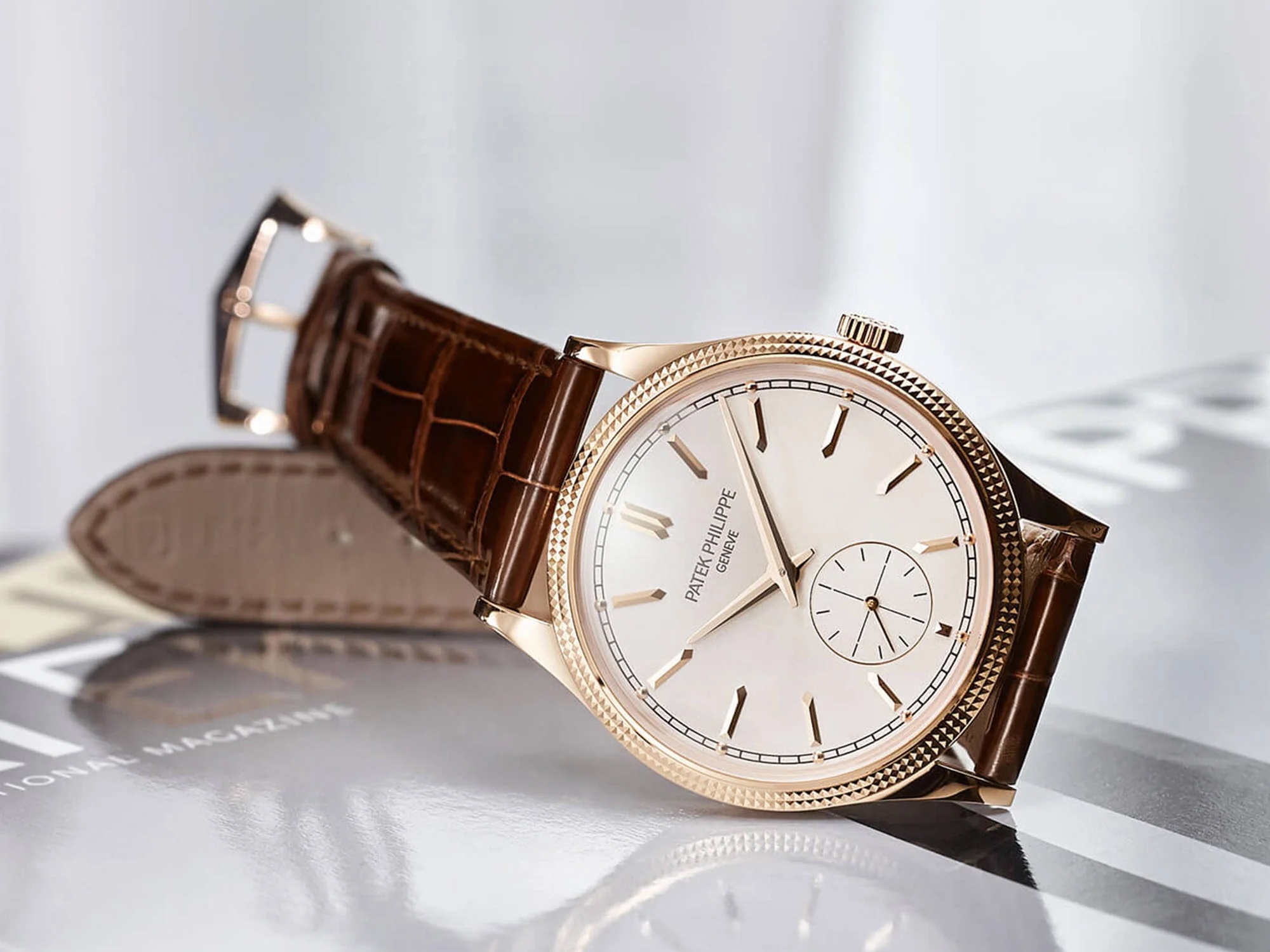
Although total Swiss production remains modest, accounting for only 2% of global production, Swiss watch manufacturers generate more than half of global revenue. The market for Swiss-made watches is worth approximately 50 billion Swiss francs, or about 52 billion euros.
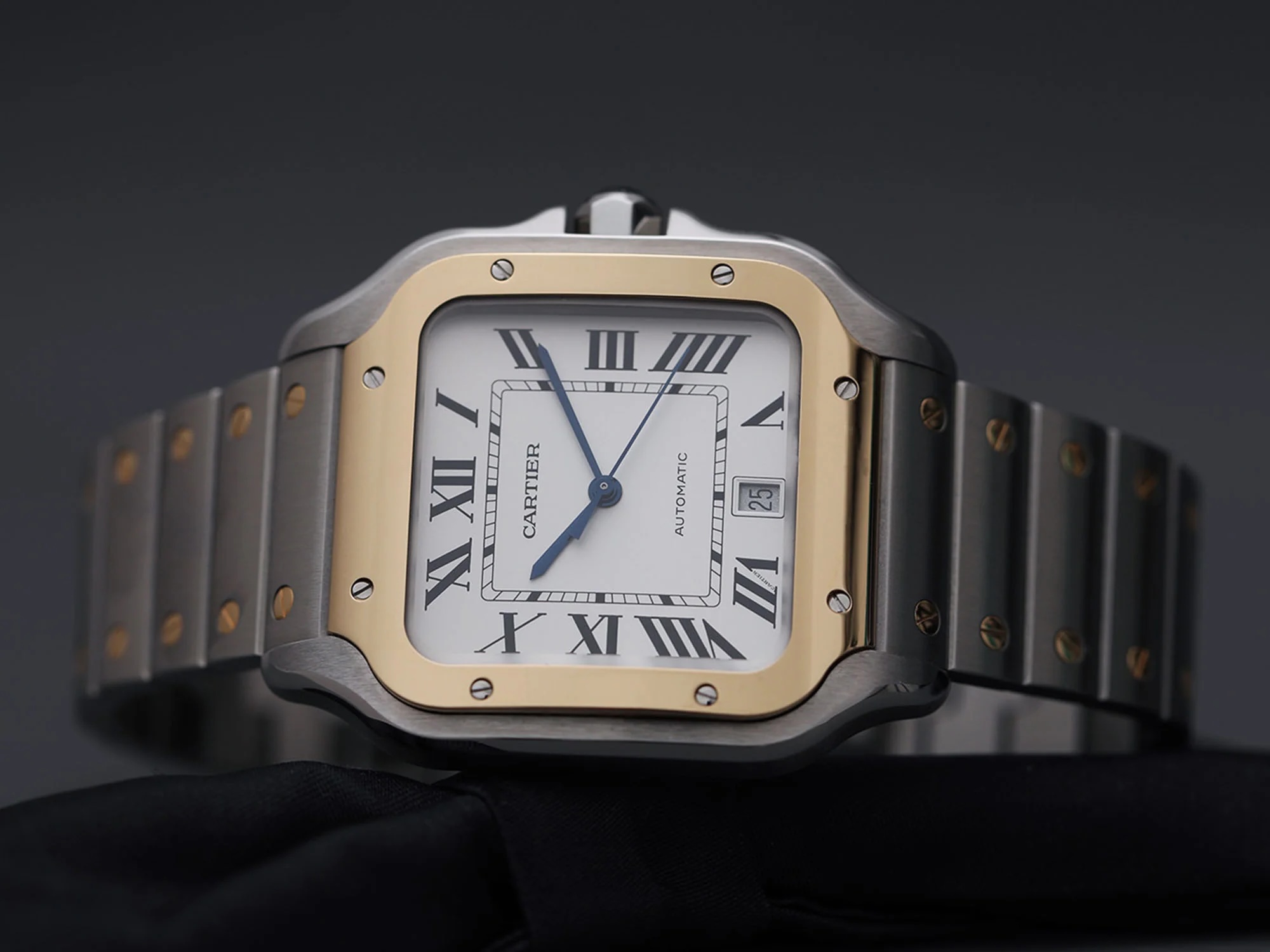
Switzerland therefore reigns supreme in the market by value and dominates the high-end and mid-range segments. Switzerland literally crushes the competition, as more than 95% of watches sold for over 1,000 euros are Swiss, leaving a minuscule market share for manufacturers from other countries.
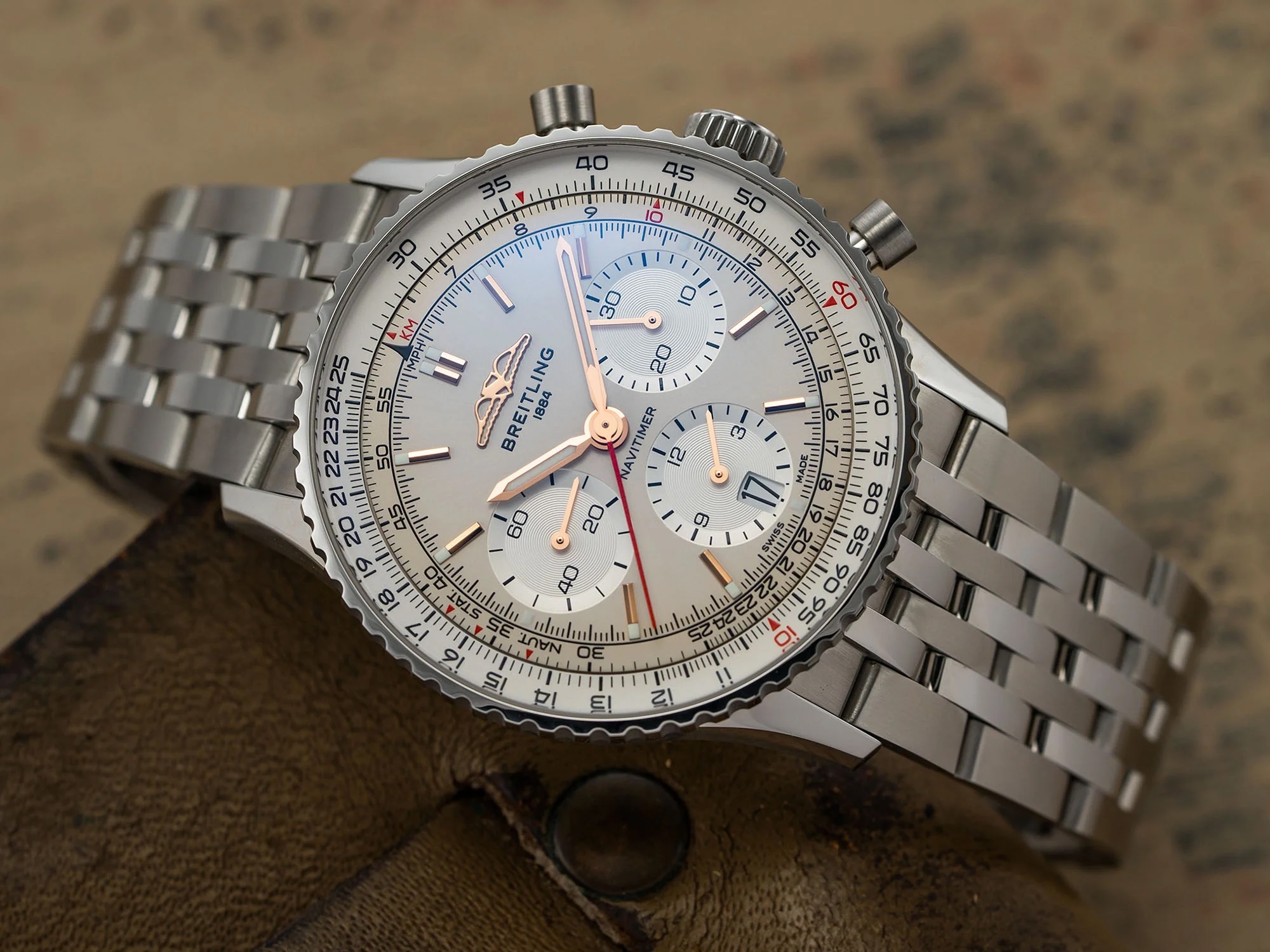
The evolution of watch straps: an illustration of a product in constant transformation
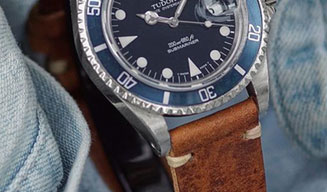
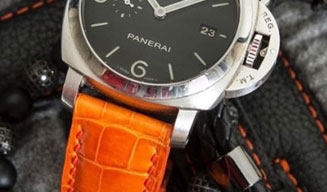
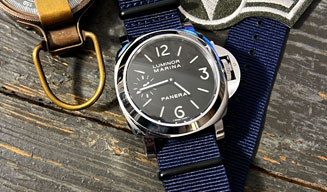
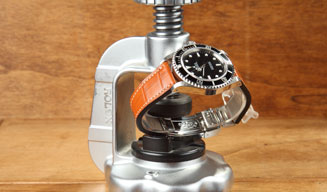
In addition to the watch case, consumers pay particular attention to the choice of strap. Made from a variety of materials, they are now compatible with timepieces manufactured by most watchmakers, from Panerai to Breitling, including Cartier and Swatch.
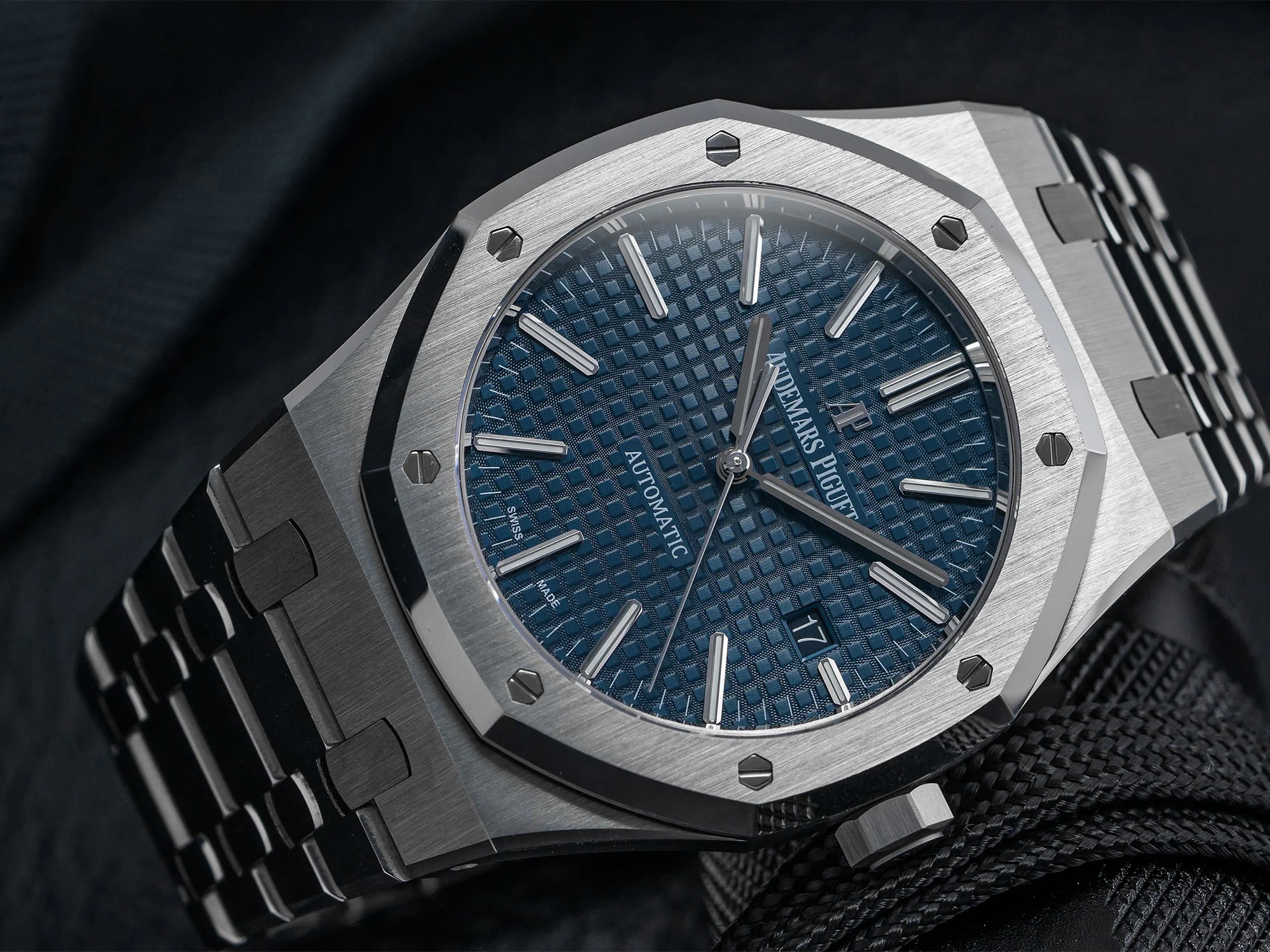
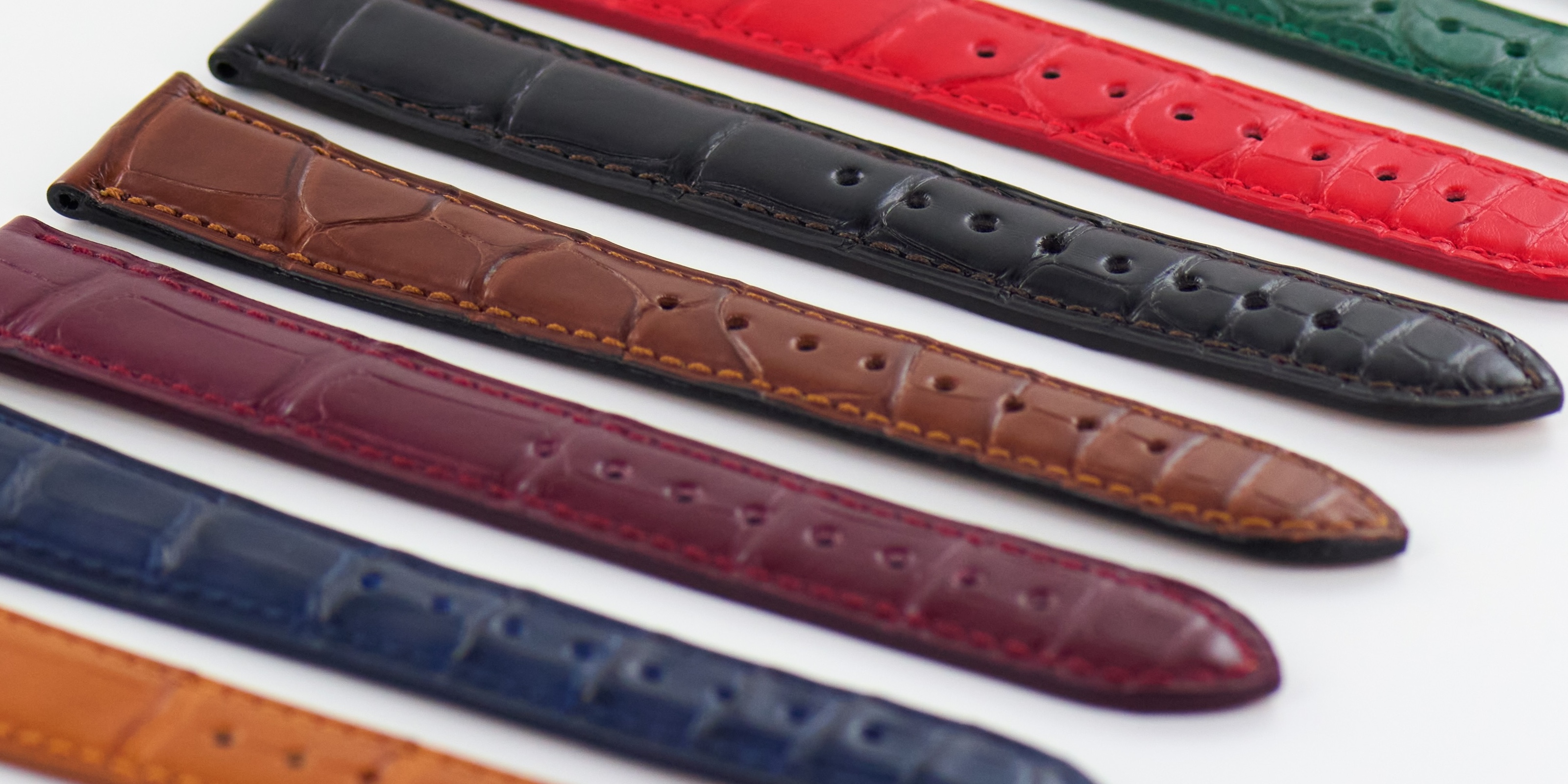
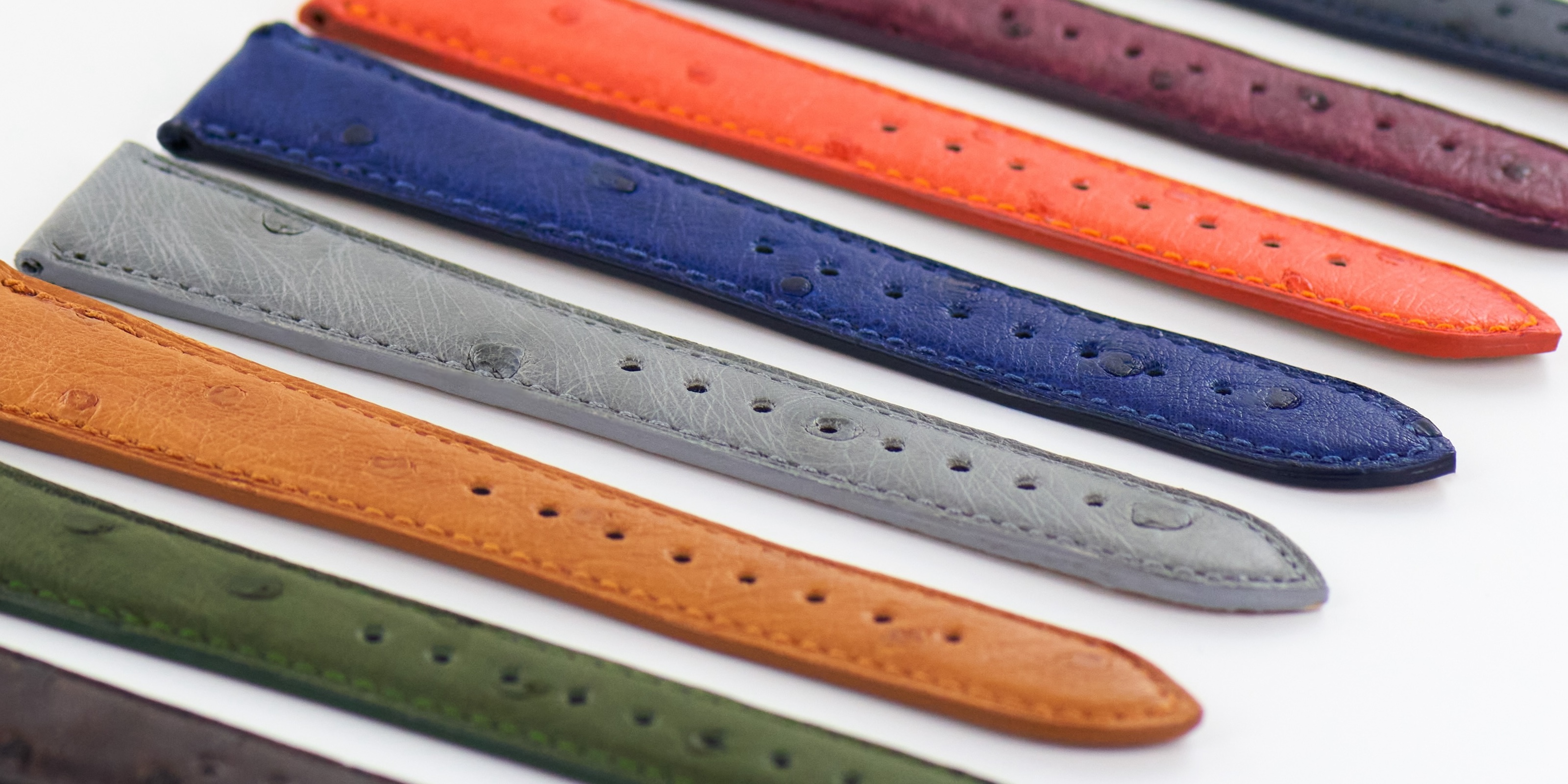
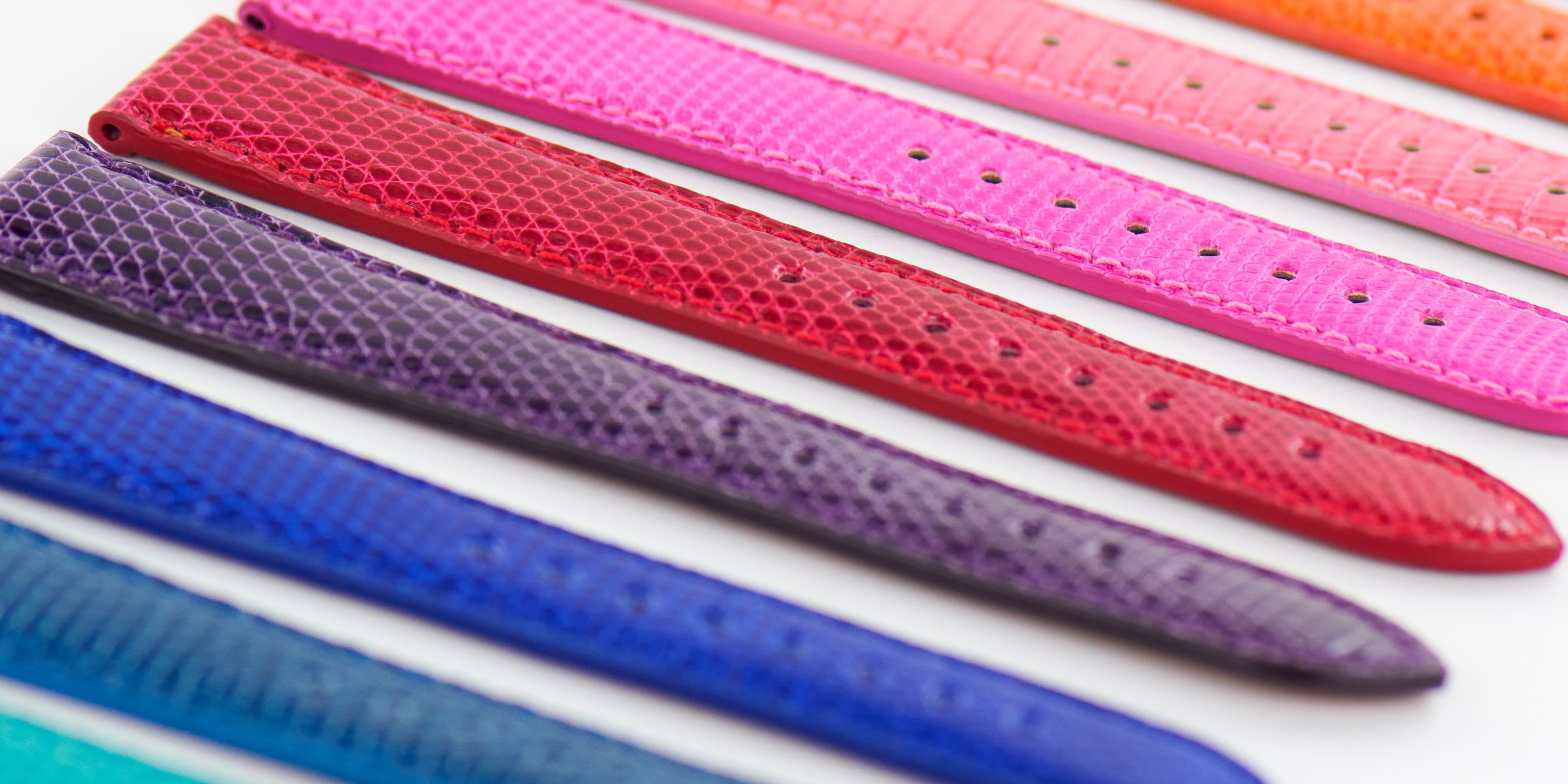
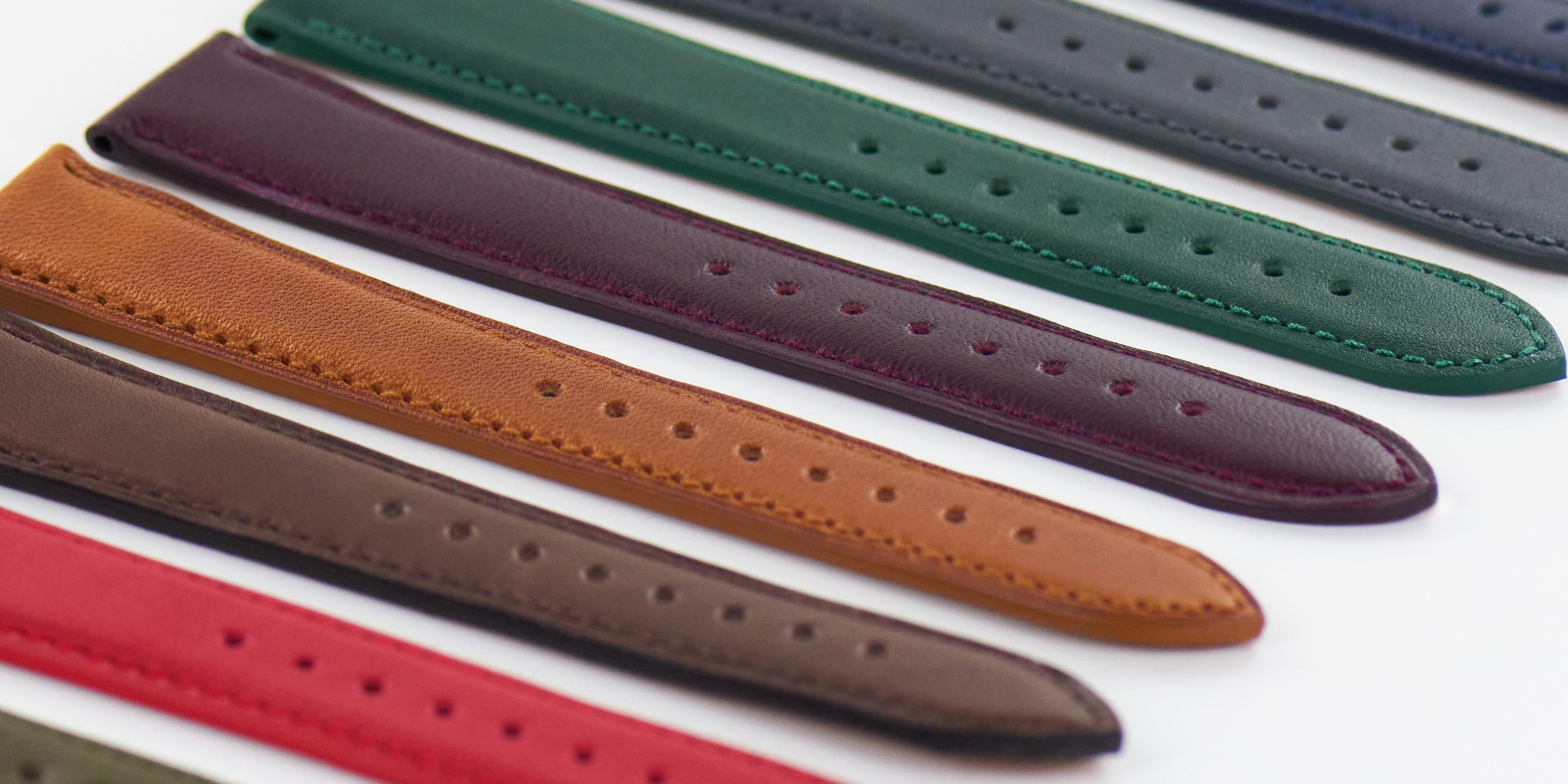
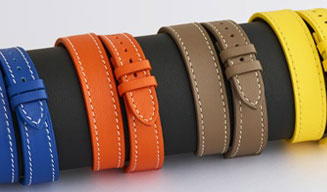
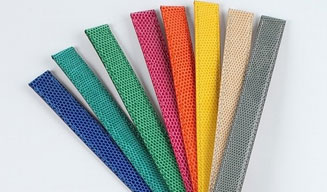
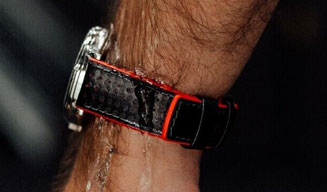
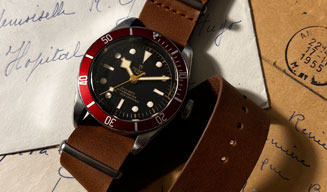
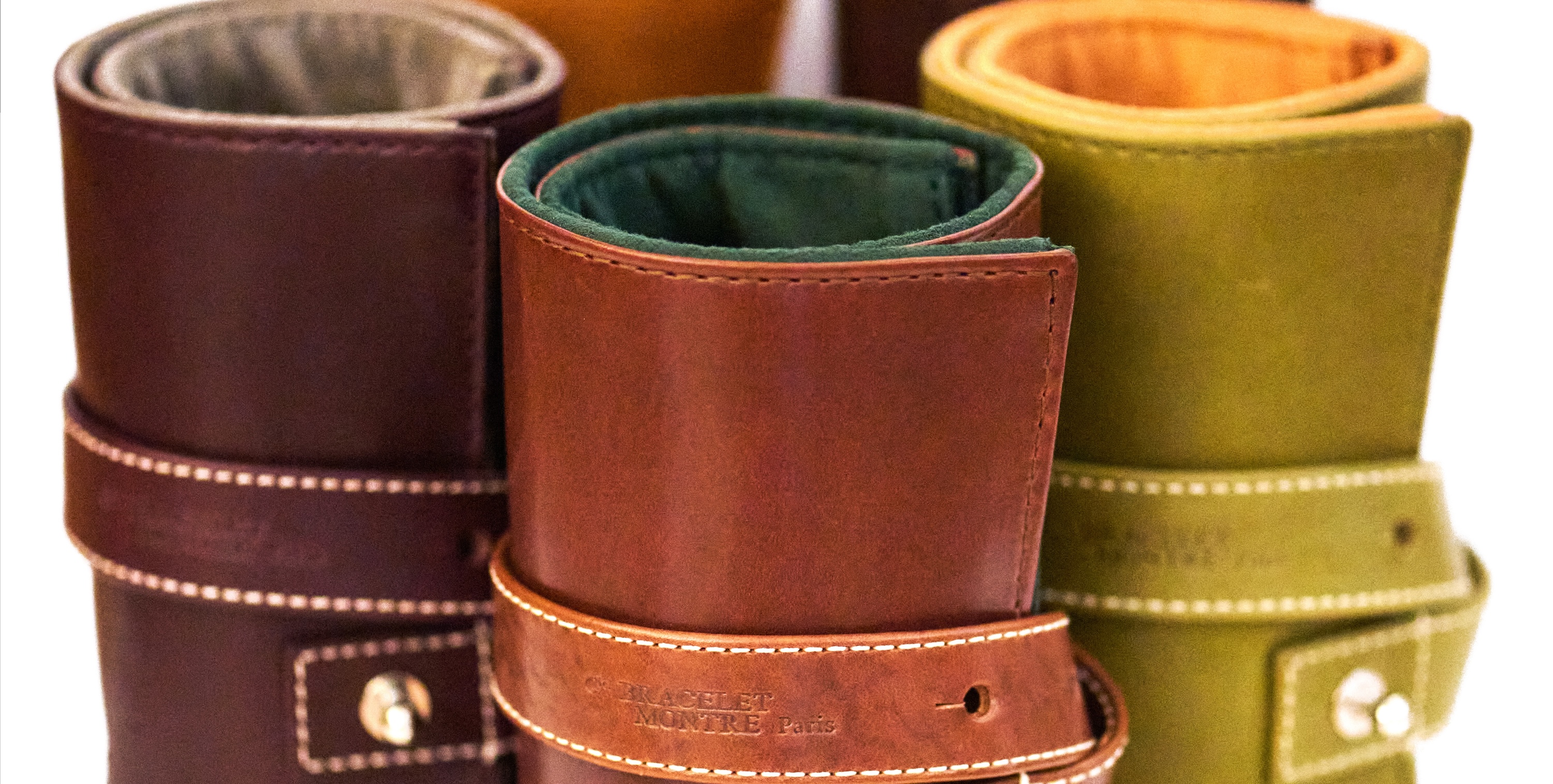
Leather, for example, is a material traditionally used for watch straps. The workshops select high-quality leathers from tanneries renowned for their time-honored craftsmanship. Each type of leather has its own characteristics and offers a unique feel. Alligator, calfskin, and crocodile leather each add a touch of elegance to a watch.
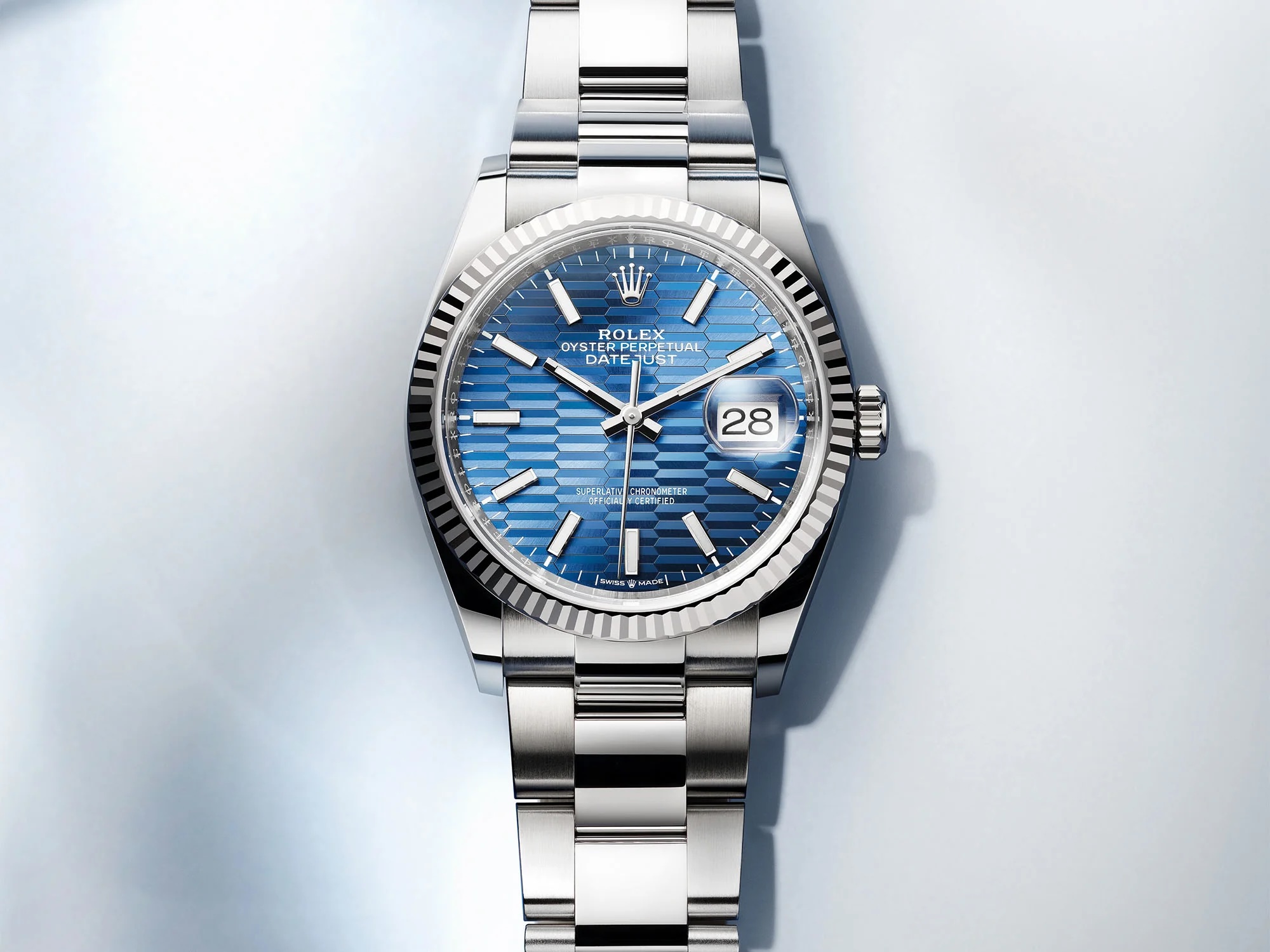
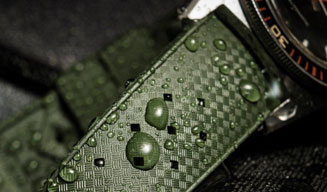
nylon straps are also an excellent alternative. They offer increased durability while ensuring optimal comfort. A selection of high-quality nylons, sometimes woven in exclusive patterns, is used to create these straps that are both sturdy and elegant.
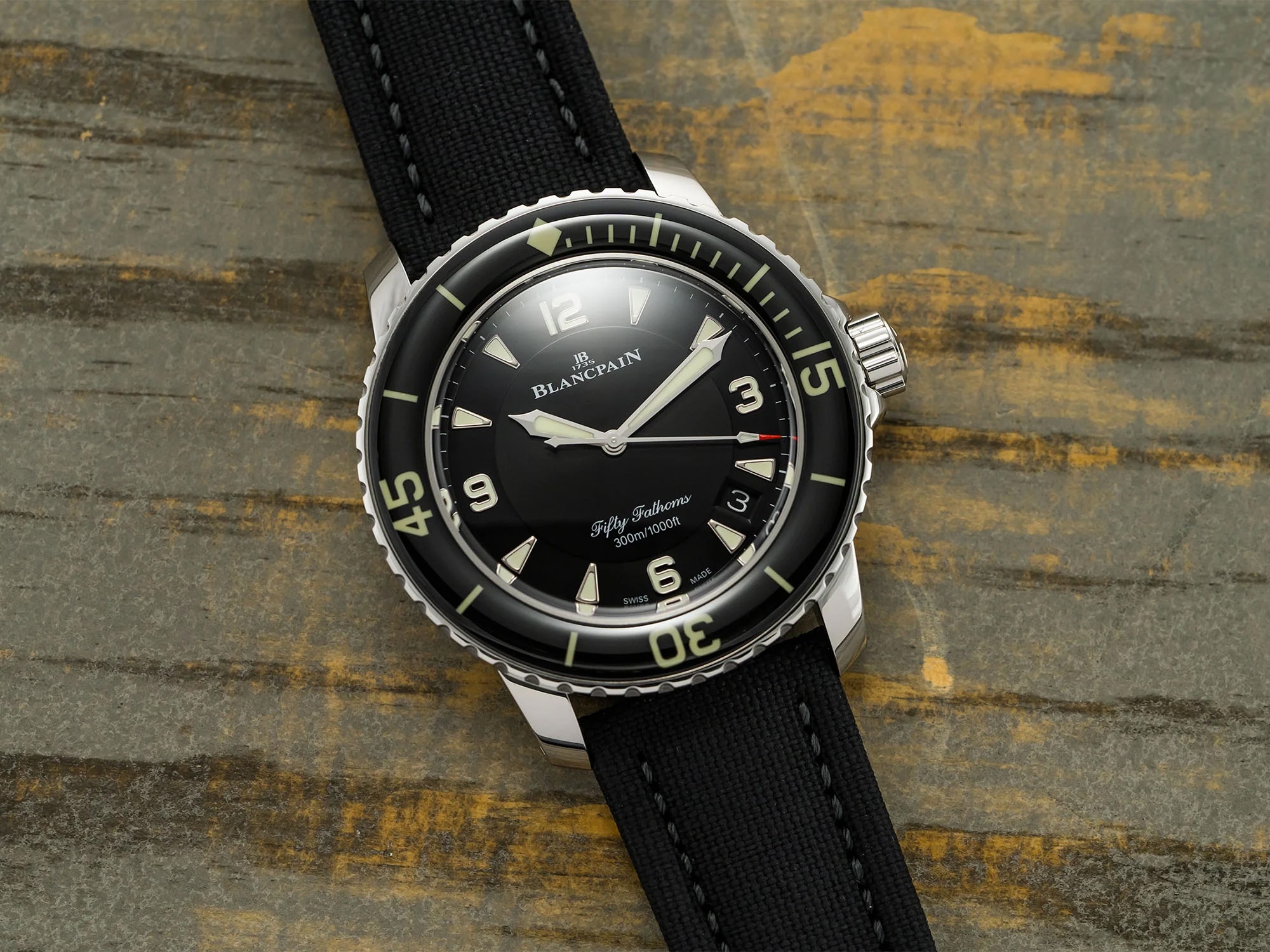
The watchmaking industry has undergone remarkable changes over time. Interest in prestigious timepieces and luxury watch products is on the rise. Innovations are constant, and watch manufacturers are offering watches that are increasingly complex and precise. Watch bands are also evolving, with manufacturing processes ranging from the most artisanal to the most modern.


