
 English








From the Pocket Watch to the Wristwatch
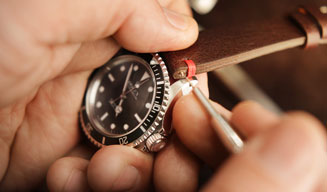
The various developments in the watchband are closely linked to those of the watch itself. Before taking on its current form—that is, mounted on a strap made of leather, metal, or rubber, for example, the watch underwent several transformations over the centuries. The earliest evidence of timekeeping devices dates back as far as ancient Egypt 5,000 years ago, with the invention of the sundial, one of the watch’s ancestors. Several millennia later, watches became portable but were not yet worn on wrists.

. Following the pendant watch, the trend toward the pocket watch
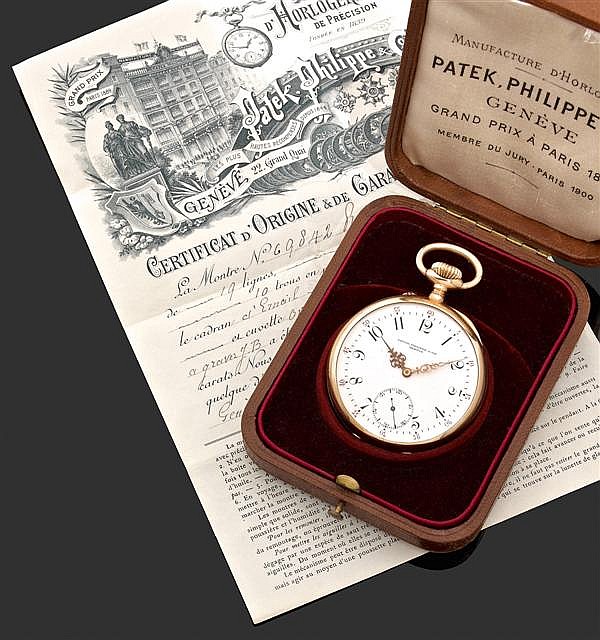
A new trend emerged in watchmaking in the 1600s. Before the 17th century, it was customary to wear a watch around the neck, suspended like a pendant. In England, as Charles II changed fashion trends with the introduction of the waistcoat, many people began wearing a pocket watch. These personal timepieces took the form of small clocks. This watch was placed in the wearer’s pocket, a very common practice at the time. Pocket watches could also be attached to clothing using a chain. The chain to which the pocket watch was attached could also be made of precious metals such as gold.
. A fashionable item, but very impractical
To check the time back then, one had to take the watch out of one’s pocket or from one’s clothing, open the protective cover, check the time, and then close the cover before putting it back in place. While this ritual is elegant and sometimes theatrical, it is also impractical, as it requires interrupting one’s activities to check the time. Back then, the protective cover could also be easily damaged. This lack of practicality partly explains the emergence of the wristwatch.
The Wristband: A Revolutionary Idea for Watches
The question of who invented the wristwatch is still a subject of debate among several major watch brands. Several theories have emerged on the subject:
. An early model in the 16th century?
Some historical accounts seem to suggest that the use of a bracelet to wear a watch on the wrist is a concept dating back to the 16th century. In the 1570s, Queen Elizabeth I of England is said to have received a wristwatch as a gift from Robert Dudley, then Earl of Leicester. This gift was actually a bracelet richly adorned with gemstones, to which a watch was attached.
. The hair bracelet by Bréguet, the first
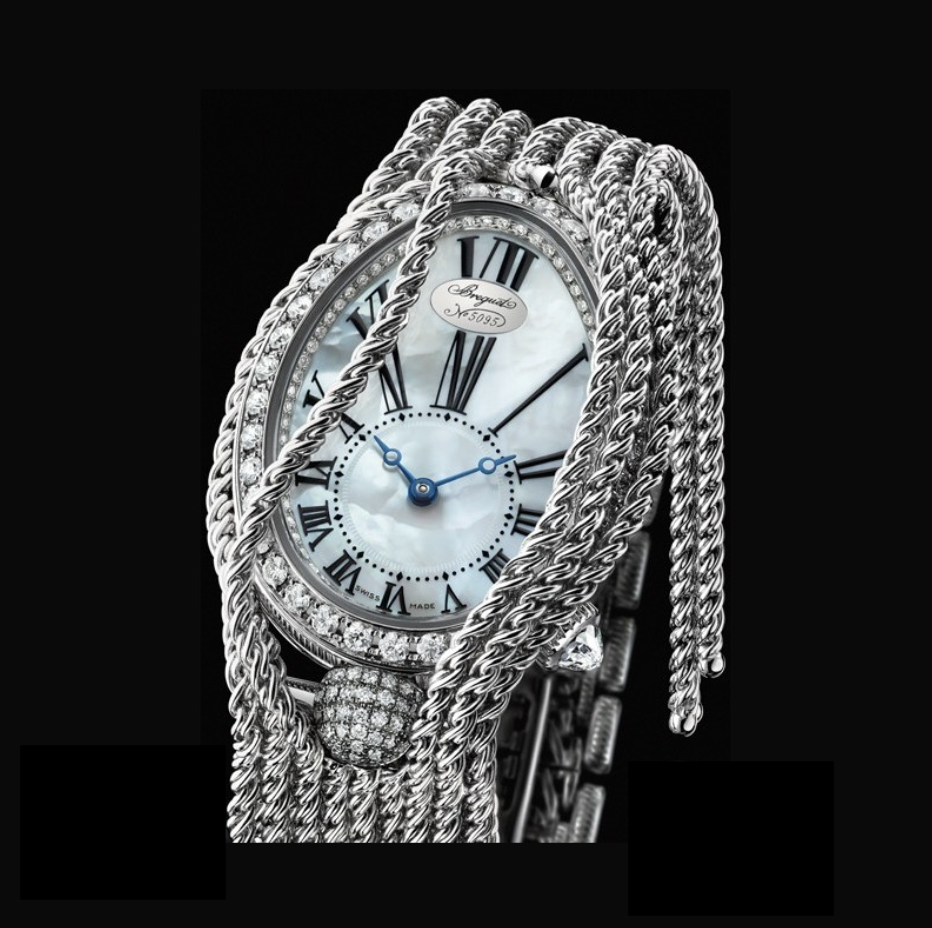
wristwatchThe watchmaker Bréguet preserves in its archives the first order for a wristwatch in history. In 1810, a time when portable timepieces were available only in the pocket watch format, the watchmaker and jeweler received a request from the Queen of Naples, who wished to have a “watch for a bracelet with a repeater” made. This commission is considered historic because it ushered in a new trend in watchmaking: the wristwatch. Although there are no records or sketches that precisely describe the characteristics of this memorable watch, it is known to bear the reference number 2639. While the case is oval-shaped and exceptionally thin, its bracelet made of human hair is trimmed with gold thread.
-
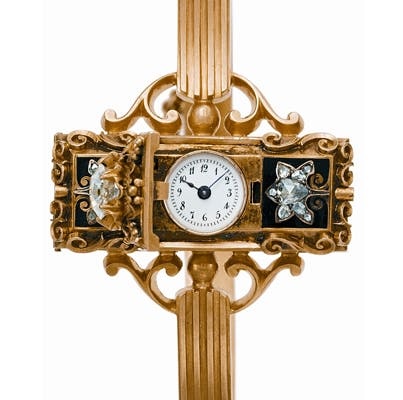
The gold bracelet from Patek Philippe, the first Swiss wristwatch in history
In addition to making a name for itself by manufacturing pocket watches, the watchmaker Patek Philippe is also considered the creator of the very first wristwatch made in Switzerland in 1868, intended for the Hungarian Countess Koscowicz. Ahead of its time, the small watch mounted on a gold bracelet by Patek Philippe stood in stark contrast to pocket watches and brooches. Regarded more as a piece of jewelry than as a tool for telling time or measuring time, it won the hearts of a predominantly female clientele.
Watch Straps: From the 19th Century to the Present Day
While wristwatches first gained popularity among women in the 19th century, the development of aviation and the wars that marked the first half of the 20th century contributed to the evolution of men’s wristwatches. On the battlefield, the practicality of a wristwatch far surpassed that of a pocket watch. Advances in aviation also required pilots to carry instruments that were easily accessible and readable, such as watches secured to the wrist with a strap. At the start of World War I, wristwatches thus accounted for about 7% of total watch production, underscoring their rapid rise:
. The leather strap, by Louis Cartier: the first men’s wristwatch
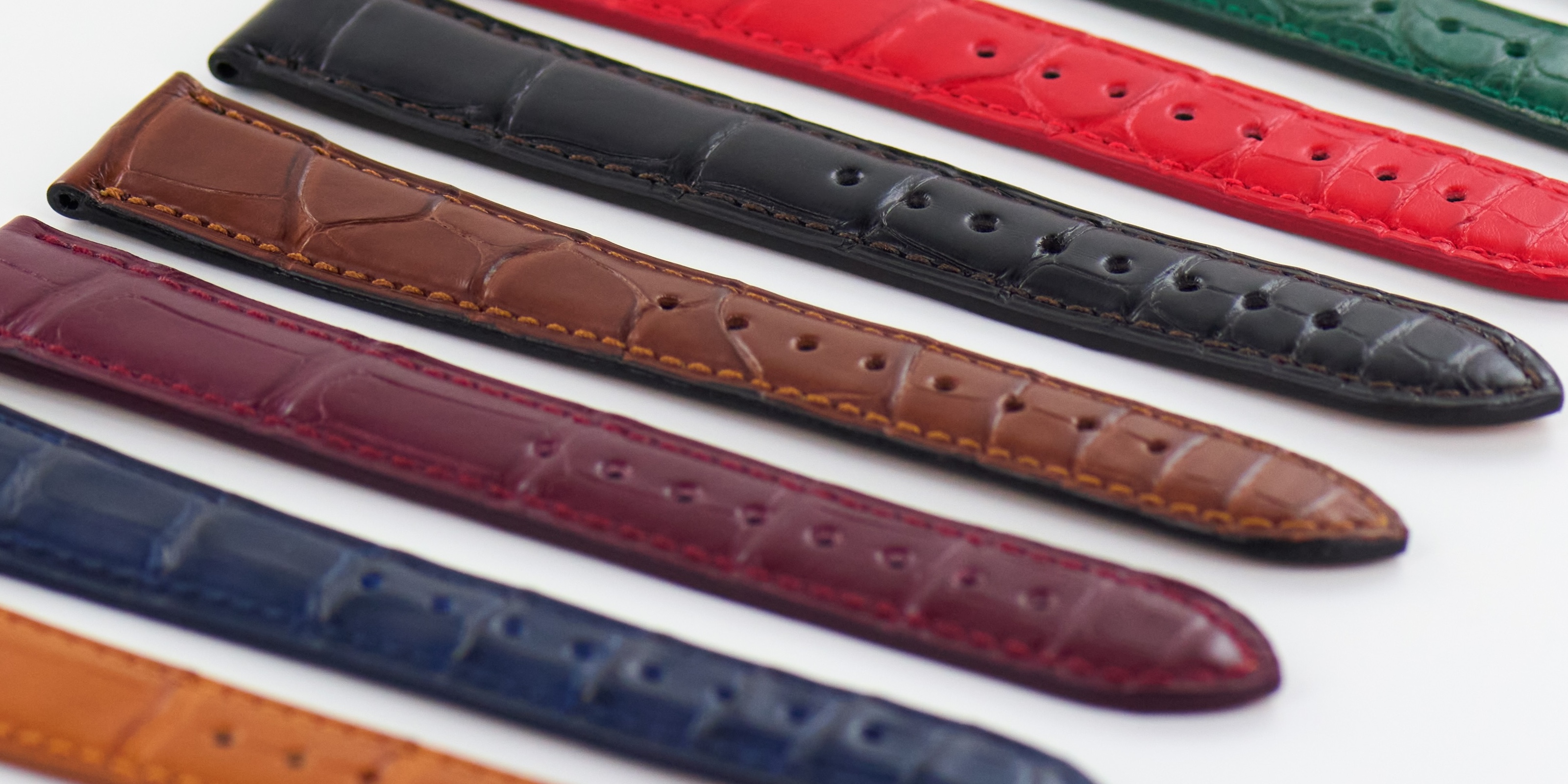
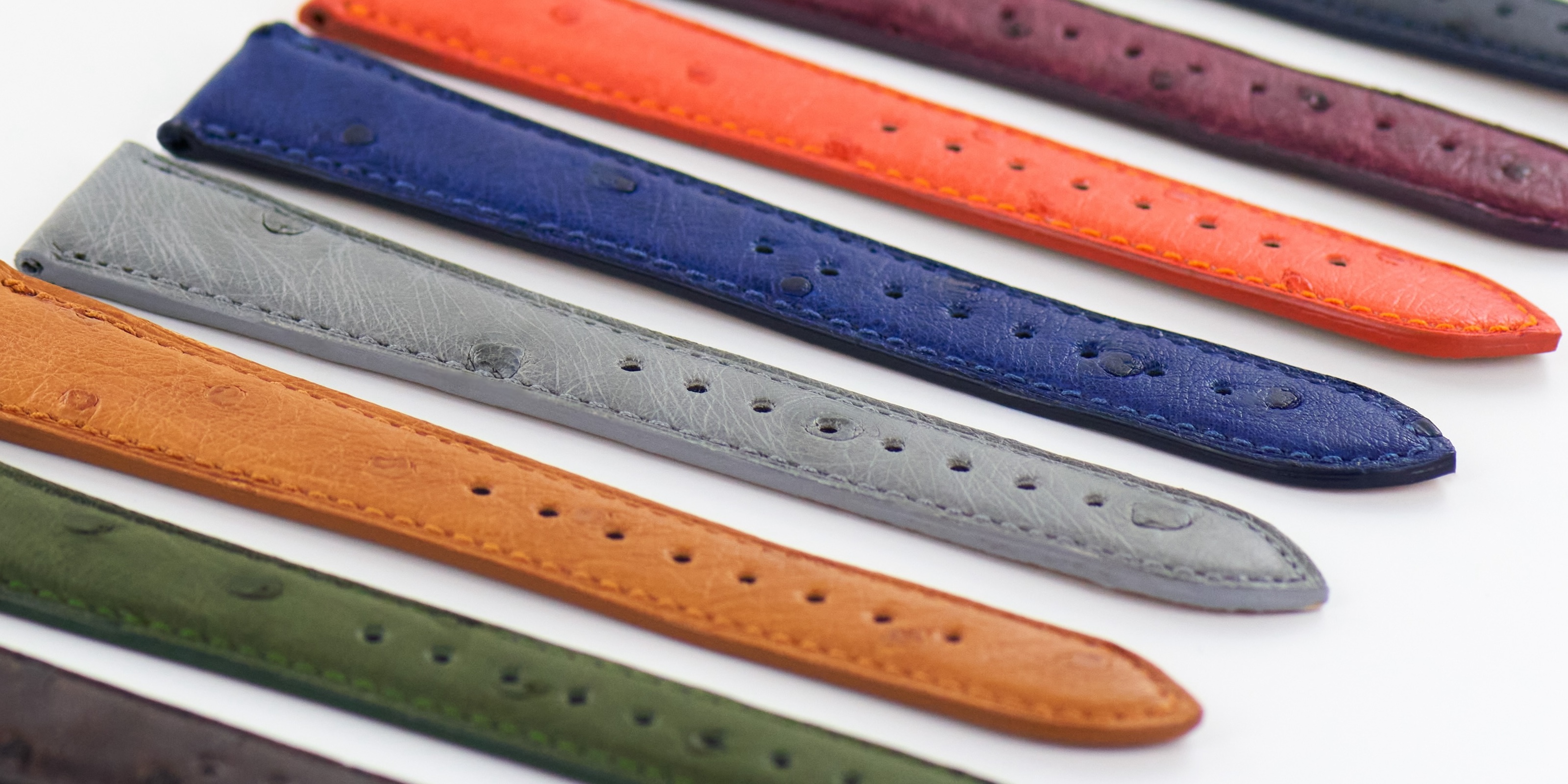
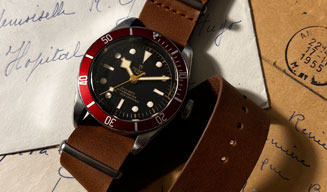
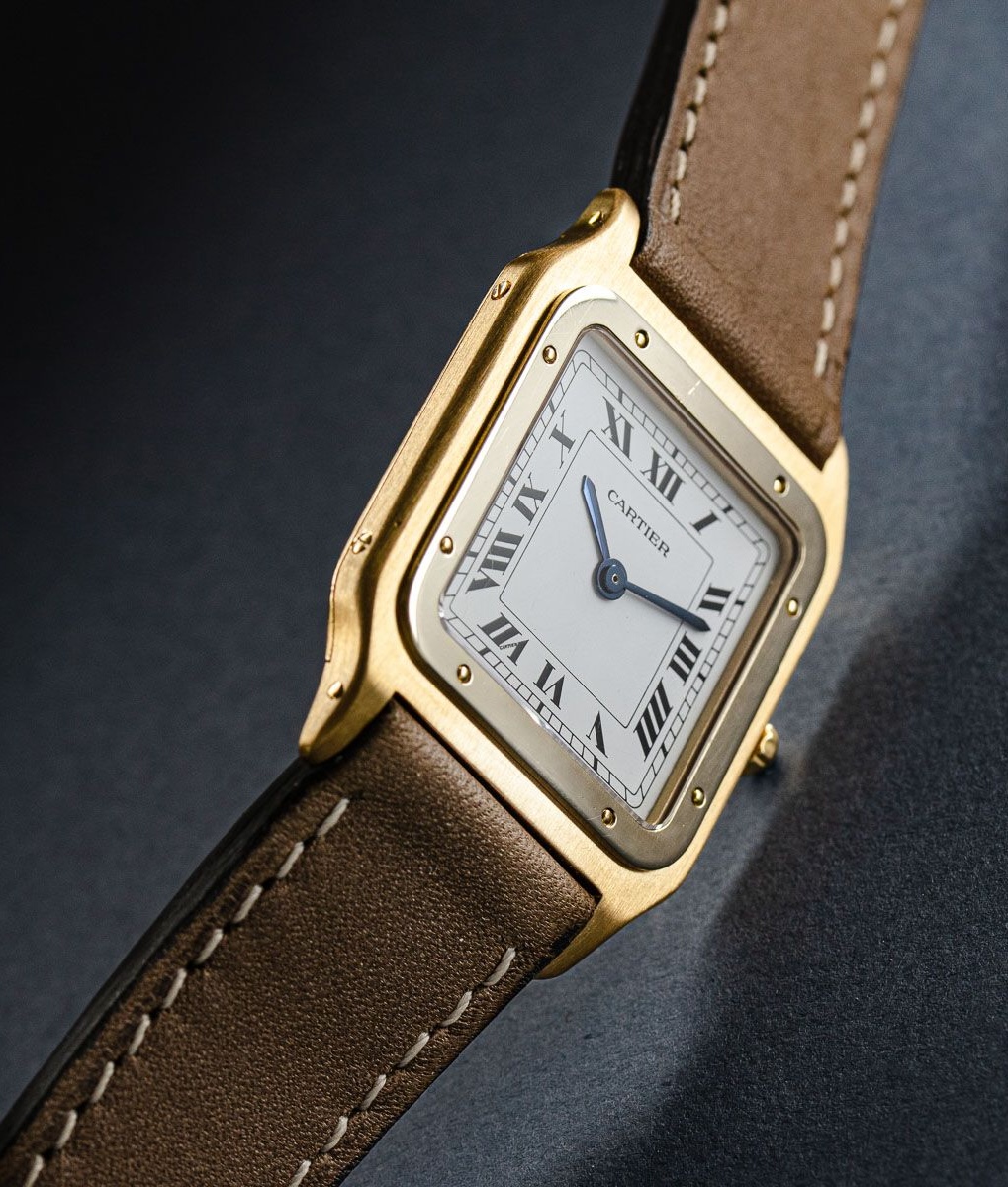
To meet the needs of his aviator friend Alberto Santos-Dumont, jeweler and watchmaker Louis Cartier created the Cartier Santos watch. While the case design was conceived for aviation pioneers, the watch was attached to a strap meticulously crafted from leather. This material was prized for both its comfort and its ease of use. Perhaps without even realizing it, Cartier once again changed the course of watchmaking history by sparking a trend that popularized the use of wristwatches among men.
. Stainless steel, nylon, or rubber
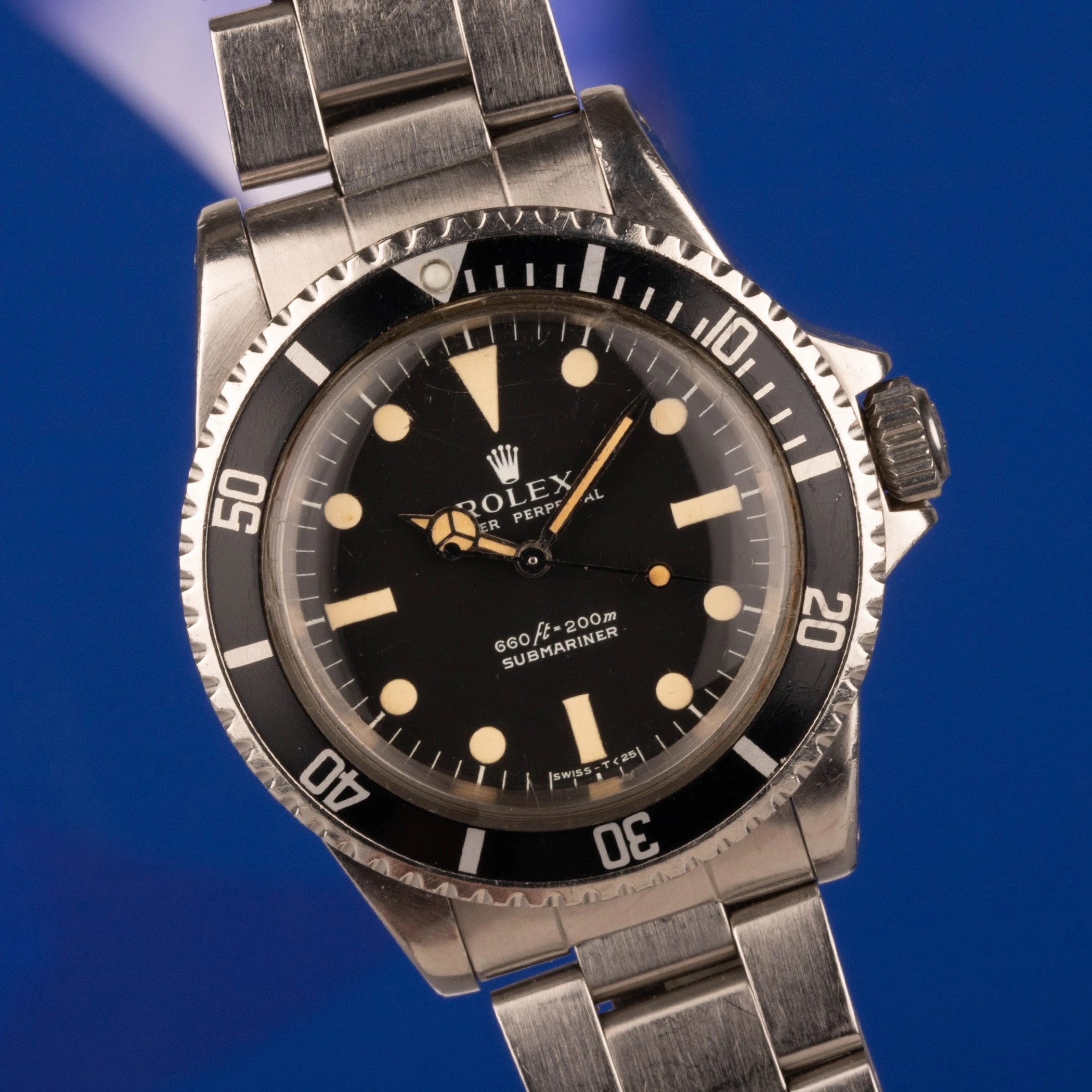
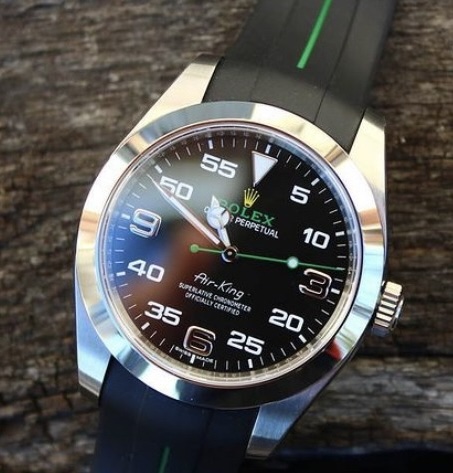
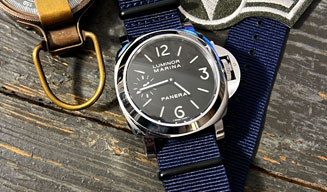
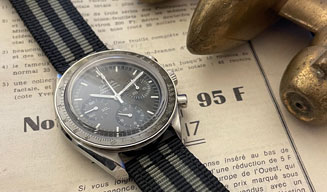
Other materials are also used to make watch straps, in addition to leather and gold. Watchmakers have been using precious metals such as platinum or silver since the early 20th century. As technical expertise has evolved, variations made from other materials that are both durable and comfortable have emerged. Metal or stainless steel straps, as well as those made of nylon, silicone, or rubber are alternatives that can enhance the look of a watch on your wrist.
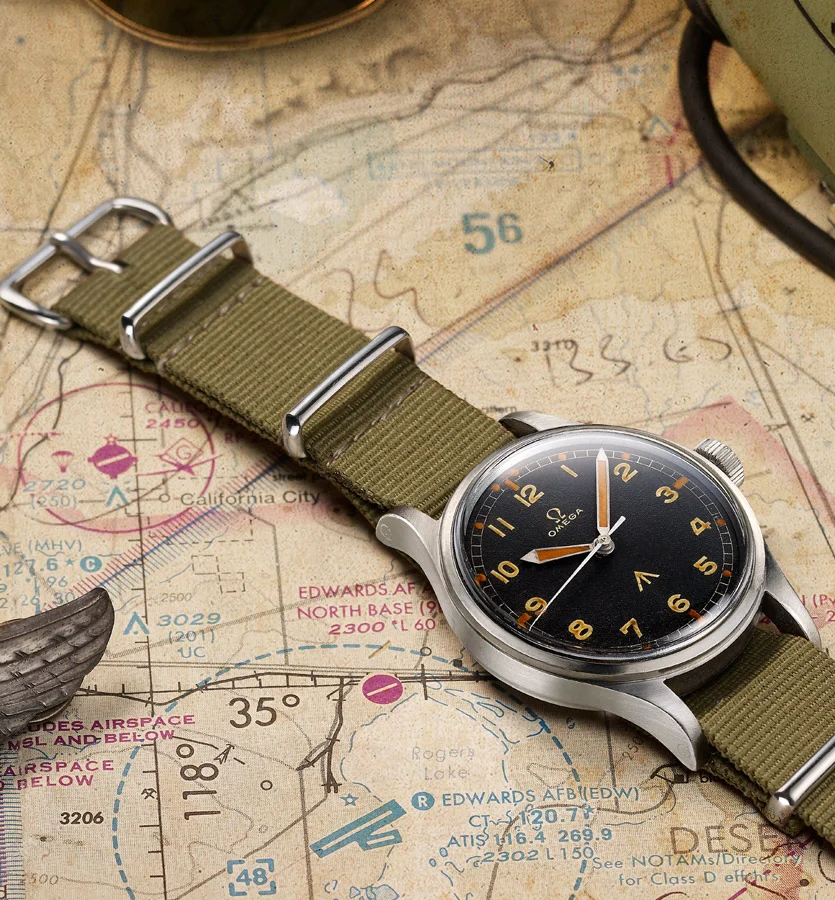
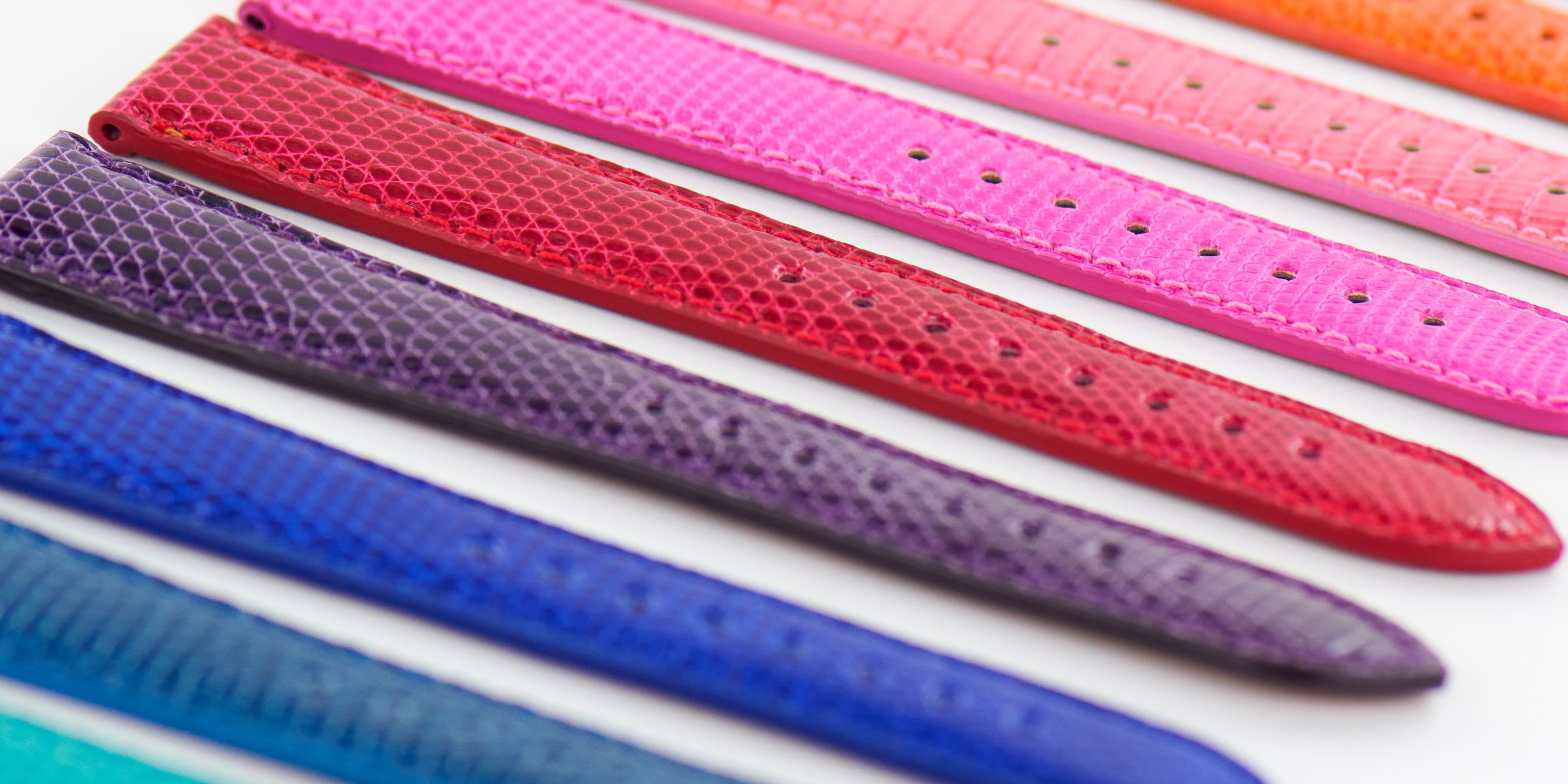
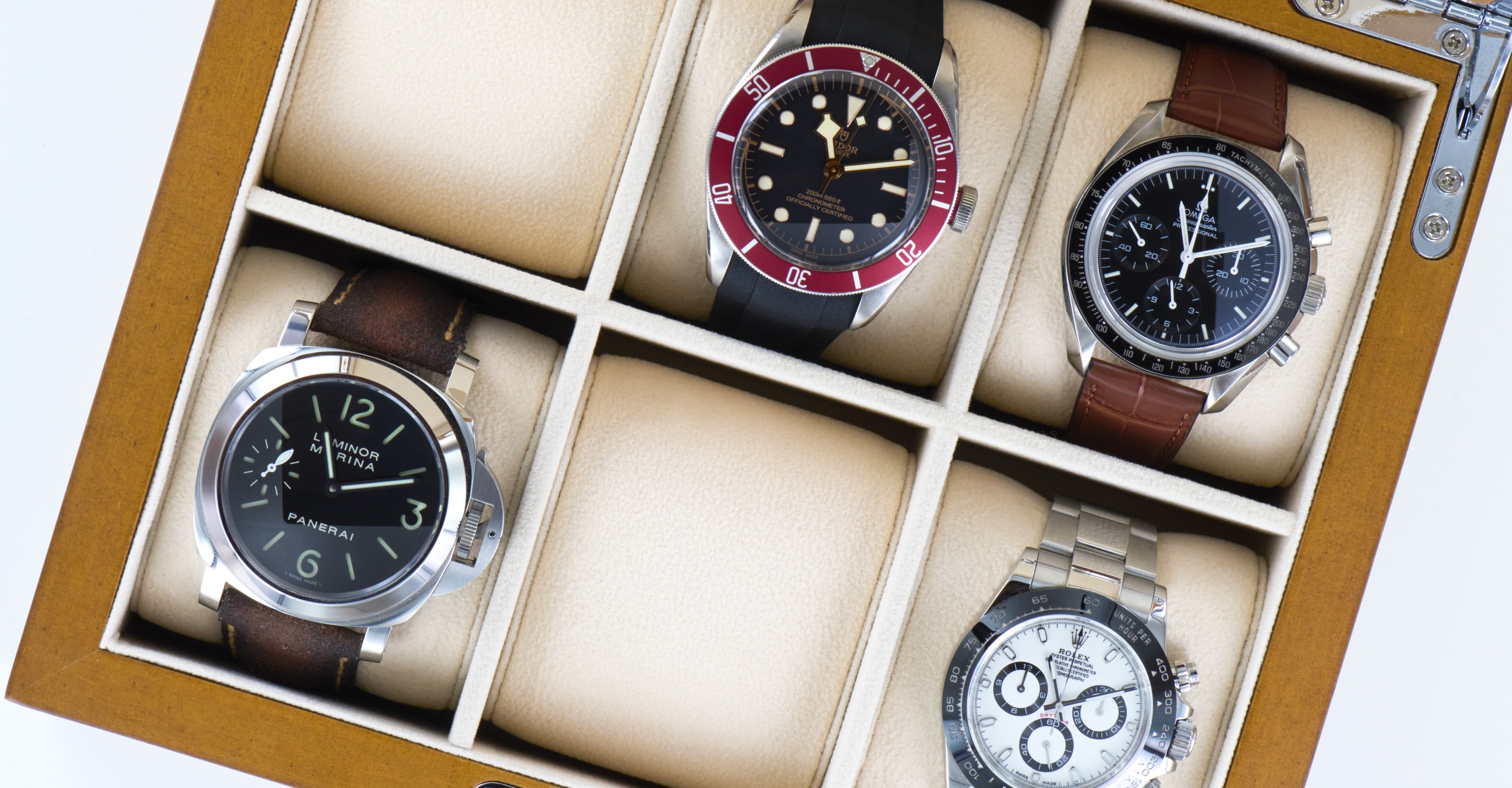
Thanks to advancements in watch straps, countless options are now available to transform the look of any watch. Whether it’s a chronograph watch, a smartwatch, a luxury watch, a sports watch, or a diving watch, interchangeable straps offer a wide range of possibilities. Generally available for all budgets, the watch band is much more than just an accessory; it serves several important functions and can greatly influence the watch’s aesthetics, comfort, and sometimes even its functionality.