














Cordovan is a type of leather made from horsehide. It originated in the Córdoba region of Spain, from which it takes its name. Its history dates back to the early 8th century, when the Moors, who conquered Spain, introduced sophisticated tanning and leatherworking techniques. They thus contributed to Córdoba’s reputation as one of the leading producers of high-quality leather.

By the end of the 16th century, Cordovan leather referred primarily to a type of goatskin that had undergone a vegetable-tanning process. This unique material was prized by artisans in Córdoba, who used it to create not only wall hangings and chests but also richly decorated armor. It was not until the 19th century that the term “cordovan” came to be used to refer to horsehide. The Germans, who excel at tanning this type of leather, gave it the name “Spiegelware,” meaning “mirror goods,” in reference to the leather’s glossy finish after polishing. It was notably during this period that German and Dutch tanners decided to migrate to the United States, where they perfected tanning techniques to soften cordovan leather. The goal was to adapt this material for use in shoemaking.

The steps in the production of cordovan leather
Among renowned tanneries, Horween in the United States dominates the leather market with its production of cordovan. Since 1905, this tannery has specialized in tanning horsehide. Its Cordovan leather was originally used for razor strop. However, the advent of disposable razors led to a decline in demand, forcing the company to expand its product line. Horween still honors an age-old tanning tradition today, guaranteeing the quality of its leather.

Cordovan leather is generally taken from the horse’s rump, known as the butt, shell, or mirror. This area is renowned for its density and fibrous structure, which give it its durability. The hides, sourced primarily from France, Belgium, and Canada, are transported to the tannery, where they are processed. The raw material is first immersed in a solution made from chestnut bark, quebracho, and resin to remove the hair before being cut into two sections that will be used to make shell cordovan. The hide is then treated with a mixture of oak bark and other agents to give the leather its characteristic appearance. After this step, the leather is carefully polished and buffed to give it its luster. The process of making cordovan leather requires meticulous attention and can take anywhere from 3 to 6 months.

The Cordovan leather watch strap: a classic choice

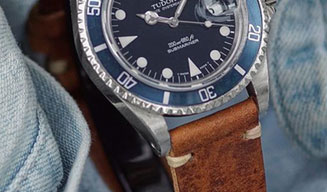
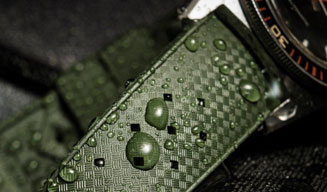
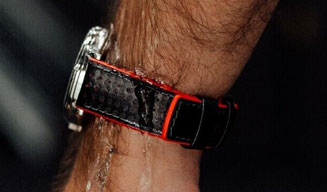
Cordovan leather is a luxury material prized for its exceptional durability. Thanks to its long and meticulous vegetable-tanning process, it is extremely resistant to wear, deformation, and cracking. Horse leather is naturally oily, which makes it waterproof. It is therefore weather-resistant, allowing you to wear your accessory in all seasons. A Cordovan leather watch strap will accompany you everywhere and for any occasion while retaining its appearance and qualities. Its suppleness also allows the strap to conform perfectly to the shape of your wrist, providing a comfortable feel.

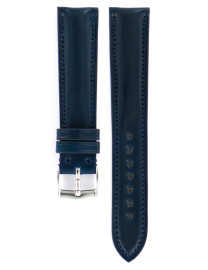
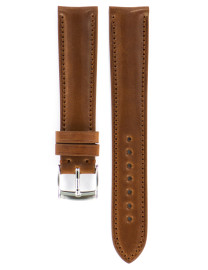
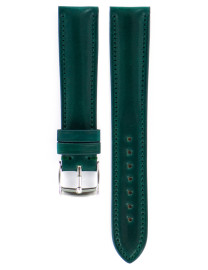
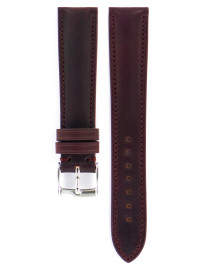
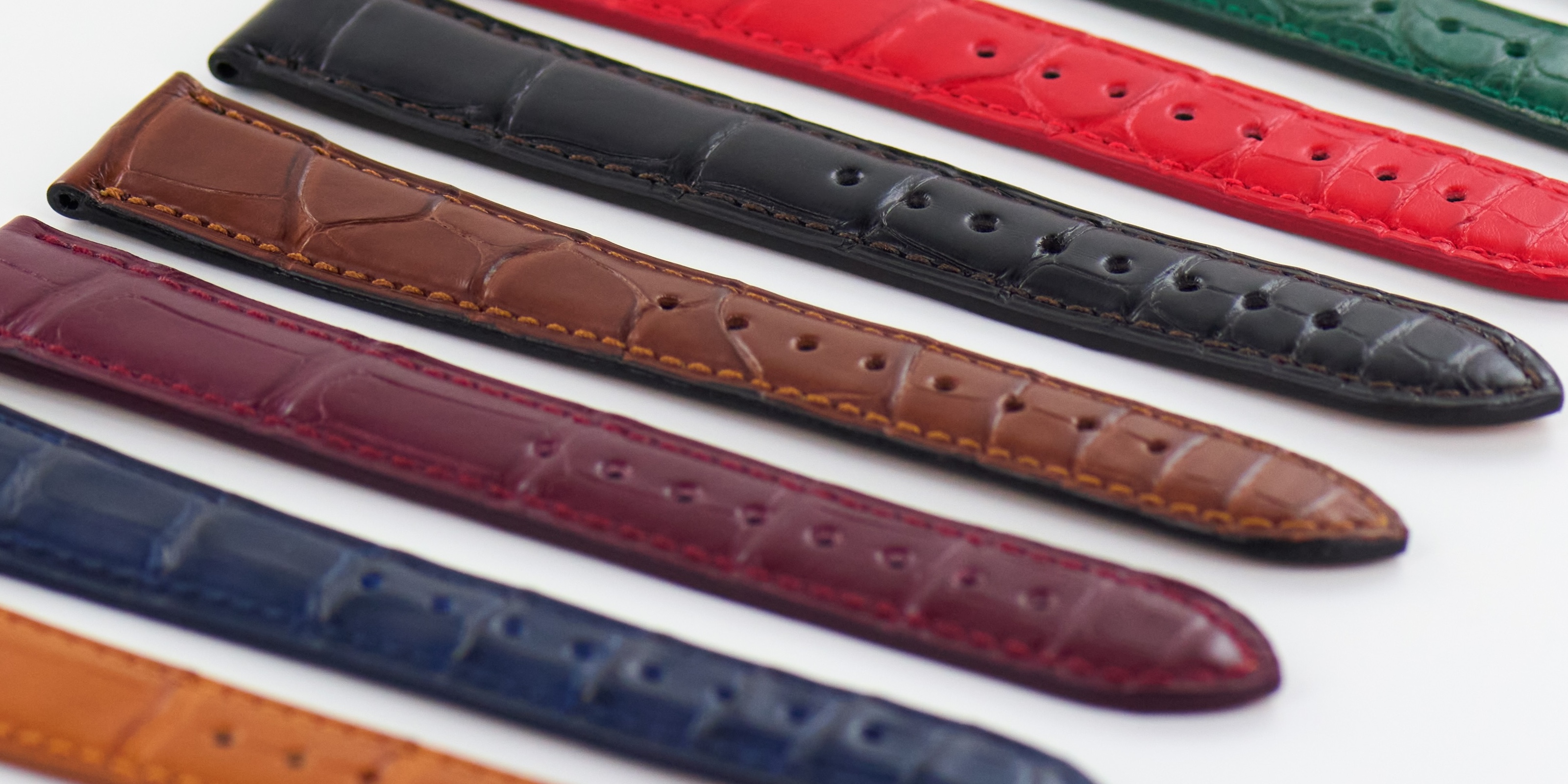
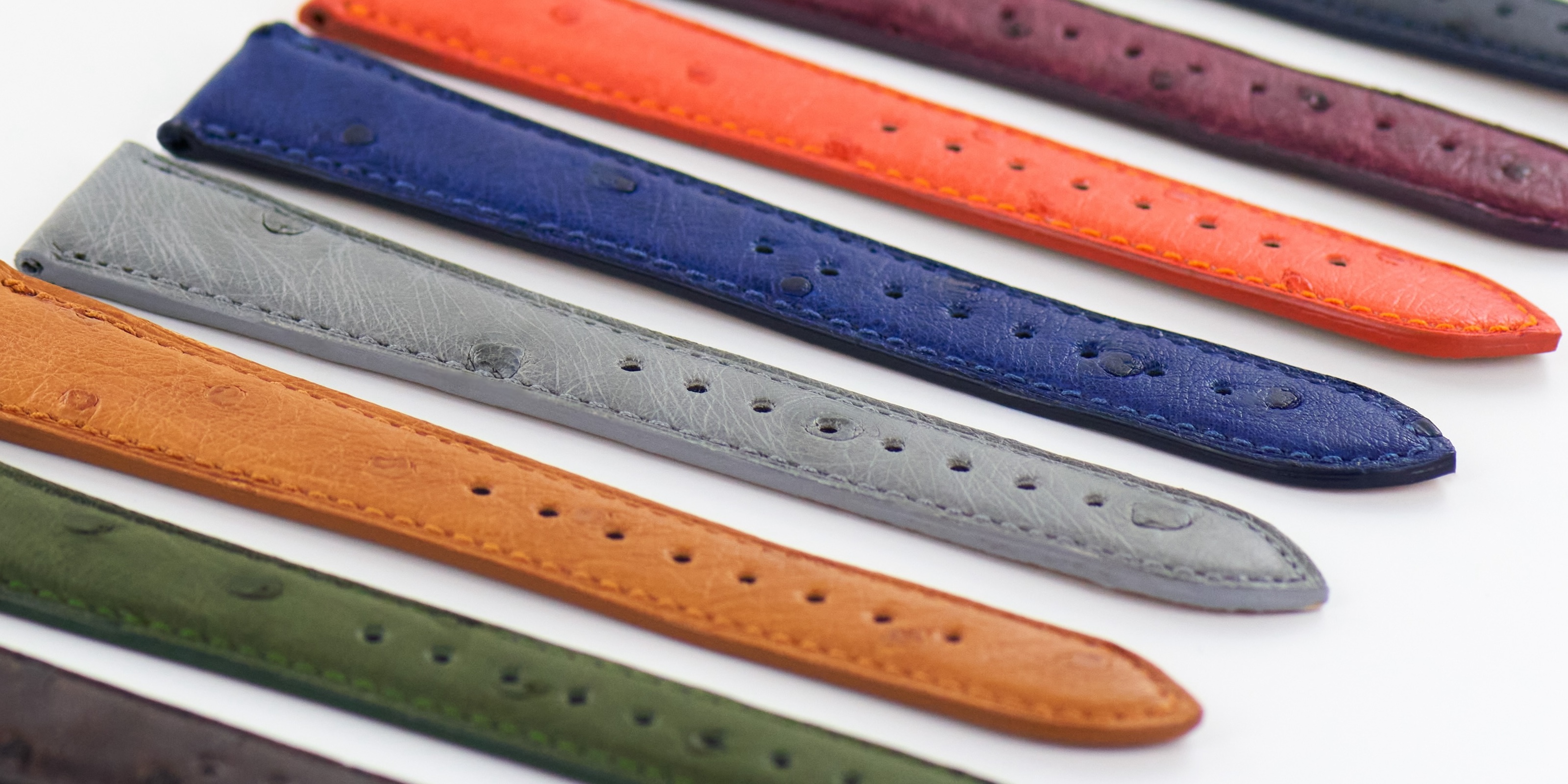
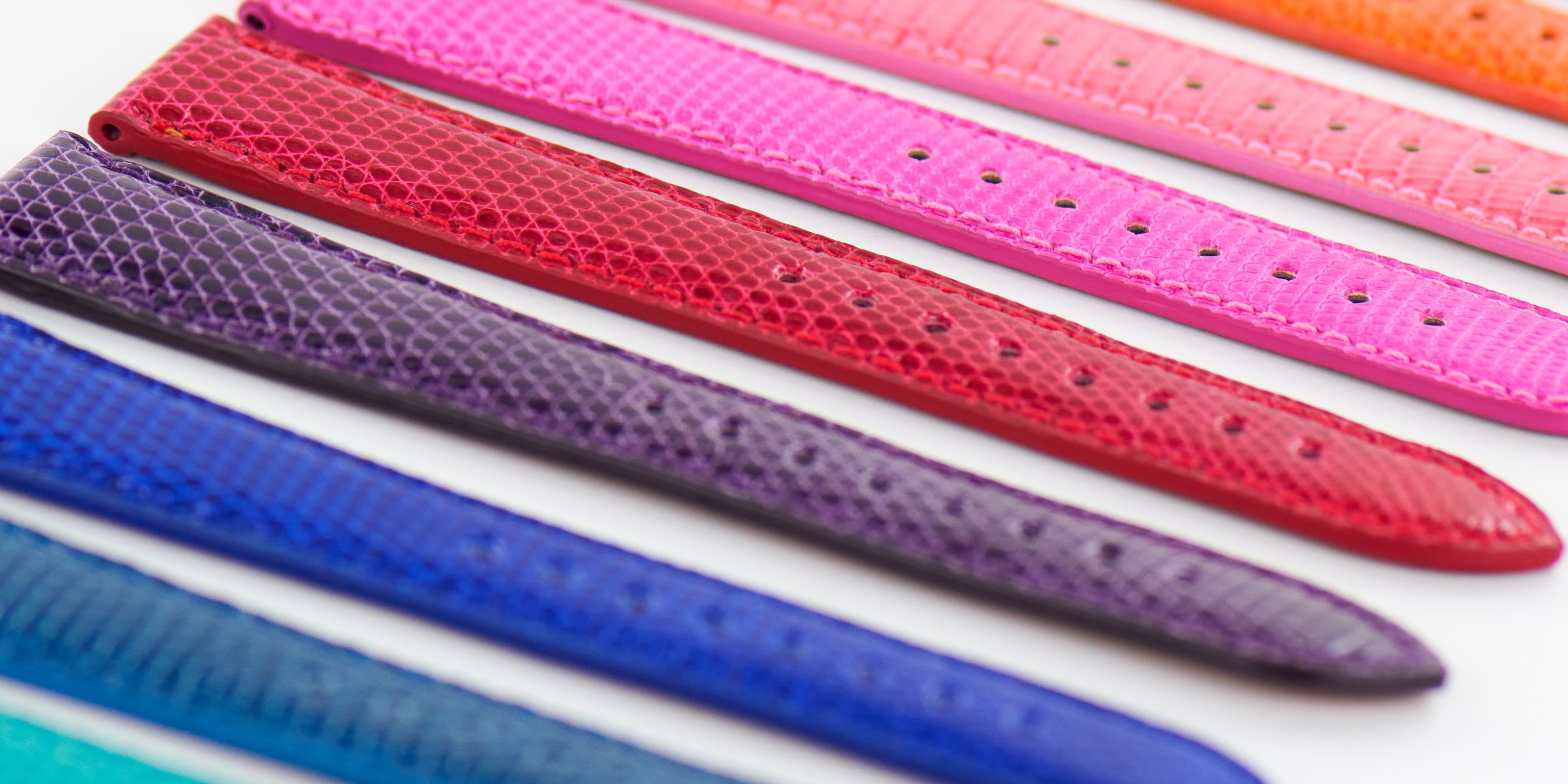
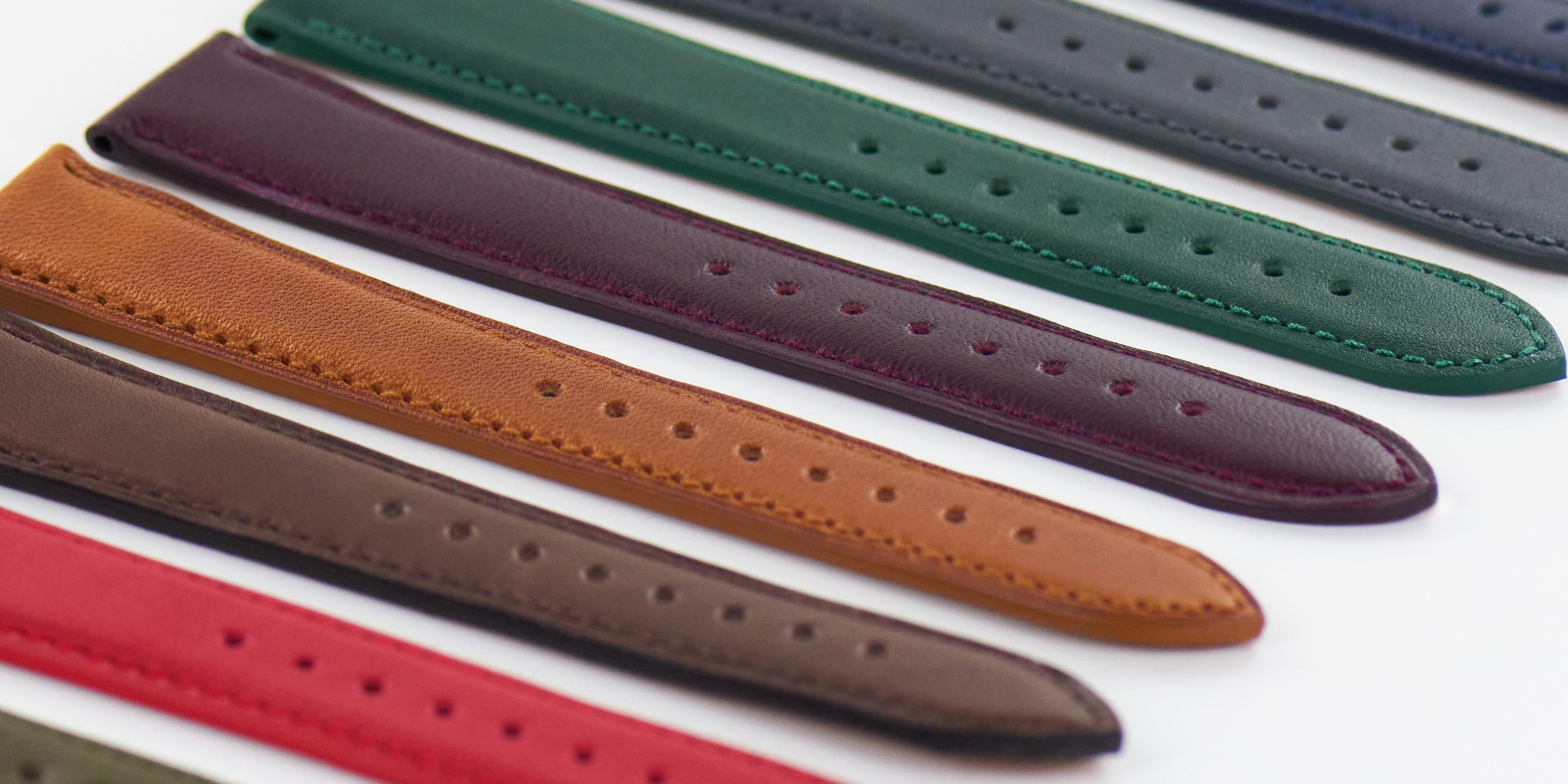
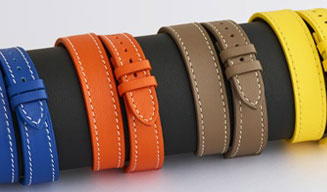
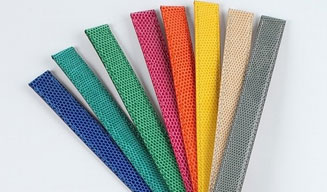
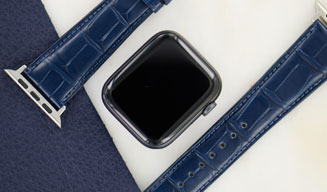
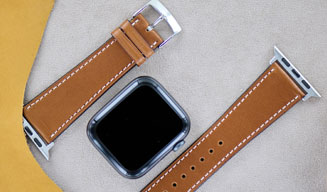
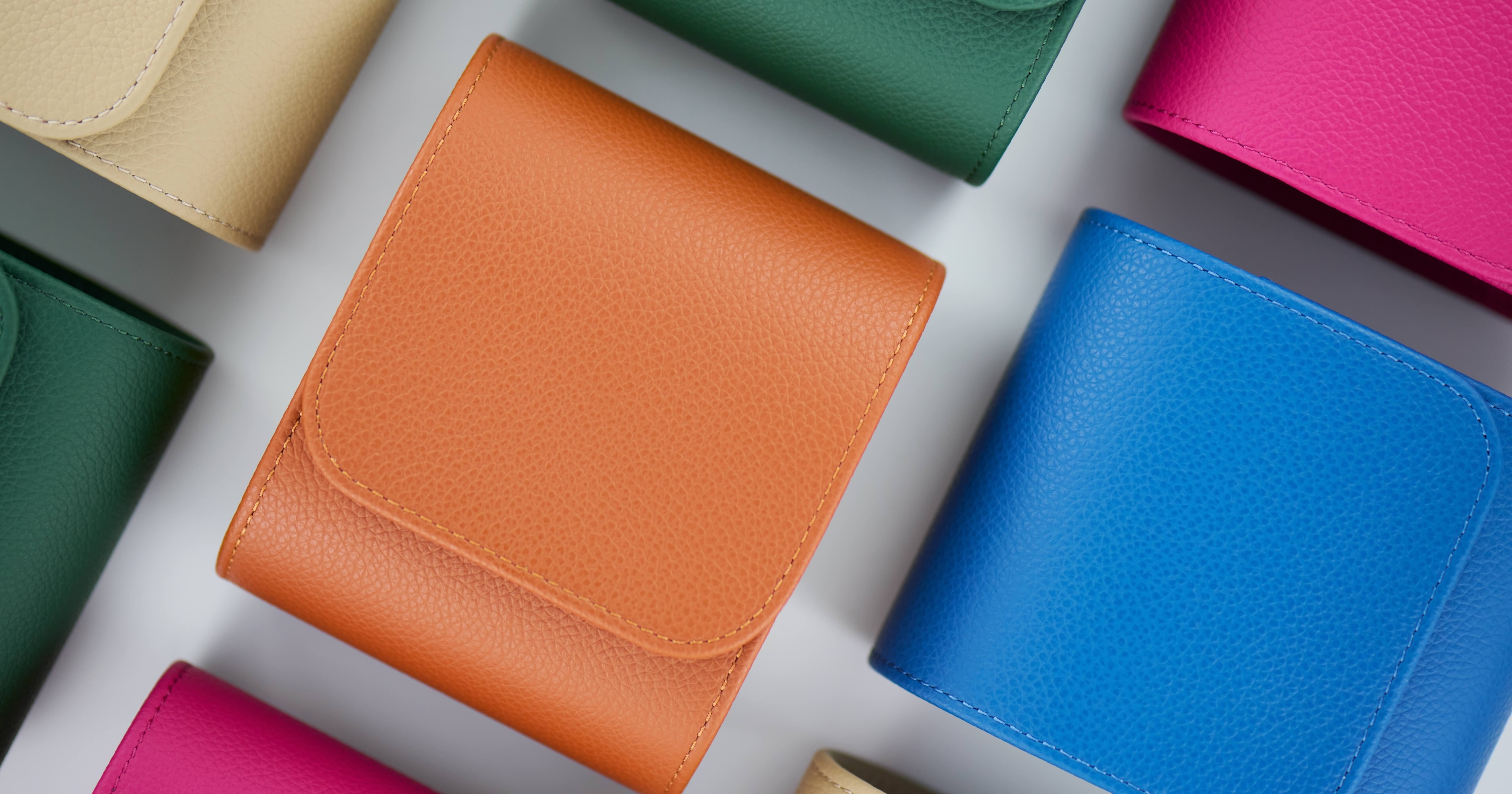
It’s also the ideal material for those looking for a watch strap with a refined look. This leather has a glossy, smooth finish that gives it a luxurious and distinguished appearance, lending your watch a unique charm. Cordovan leather accessories are also available in a rich and varied range of colors, including black, brown, and sometimes brighter shades to suit everyone’s tastes and style.

Caring for a Cordovan Leather Watch Band
Cordovan leather is renowned for its durability and elegance, making it a top choice for high-end watch straps. However, your accessory requires regular care to preserve its beauty and longevity. It is therefore important to use the right techniques and follow the essential steps to care for your Cordovan leather watch strap.

- Cleaning Your Leather Strap
Cleaning is a crucial step in maintaining your horsehide leather accessory. Simply dampen a clean cloth slightly with lukewarm water and gently wipe the surface of the leather to remove accumulated dust and dirt. However, we strongly advise against using chemical cleaning products, as they may damage the leather.

- Nourish and moisturize the leather
To maintain the suppleness and luster of your watch strap, we recommend using a product specifically designed for leather. Apply this product using a soft microfiber cloth in circular motions. It nourishes and moisturizes the leather to preserve its appearance. Then let it air dry for a few hours before wearing it again.

- Protecting your cordovan leather watch strap
Protecting your horsehide leather watch strap from the elements is essential to ensuring its longevity. Even though it is naturally water-resistant, it is recommended to use a waterproofing product specifically designed for leather. This product will form a protective barrier on the surface of the leather to prevent water from penetrating the leather and stains from forming. To avoid damaging the leather, follow the manufacturer’s instructions when applying the product and reapply it regularly.