















Some of the most common watchmaking complications
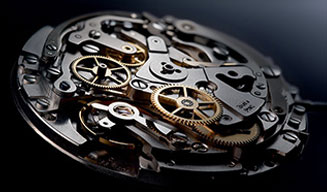
High-end watches created by watchmaking houses such as Vacheron Constantin, Jaeger-LeCoultre, IWC, and Breguet feature one or more complications. In the captivating world of watchmaking, this term simply refers to any function beyond the display of hours and minutes. These functions—often complex and ingenious—showcase the exceptional craftsmanship of watchmakers and lend the watches a unique, precious character.
Watchmaking complications come in a multitude of categories, catering to diverse needs and desires. Some of the most iconic and frequently offered complications found in the creations of major watchmaking houses include:
• The chronograph
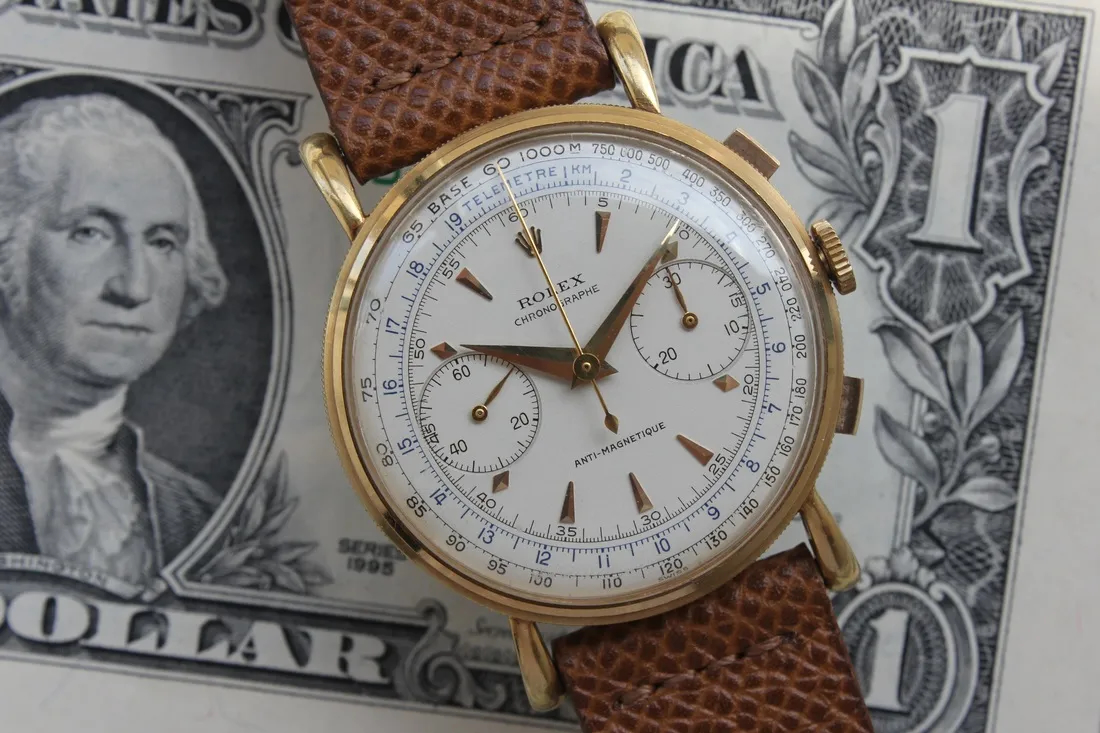
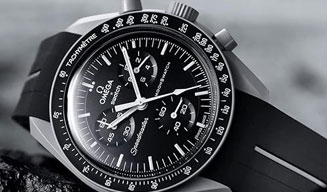
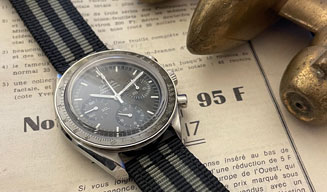
This complication is among the most popular. The chronograph allows a watch to measure and display the duration of specific events. Integrated into a watch, this feature is highly practical in a wide range of situations, from sports to everyday life. At the heart of the chronograph lies a sophisticated mechanism composed of various miniaturized wheels, levers, and springs. When the dedicated pusher is activated, a series of gears engages to start the timing process.
A—usually central—seconds hand begins to rotate, while sub-dials track elapsed time in minutes and hours. The chronograph can be a simple model, allowing for the measurement of a single event's duration, or a split-seconds version—an advanced complication capable of simultaneously measuring two separate durations, which is particularly useful in motor sports or athletic training.• Dual time zone or multiple time zones
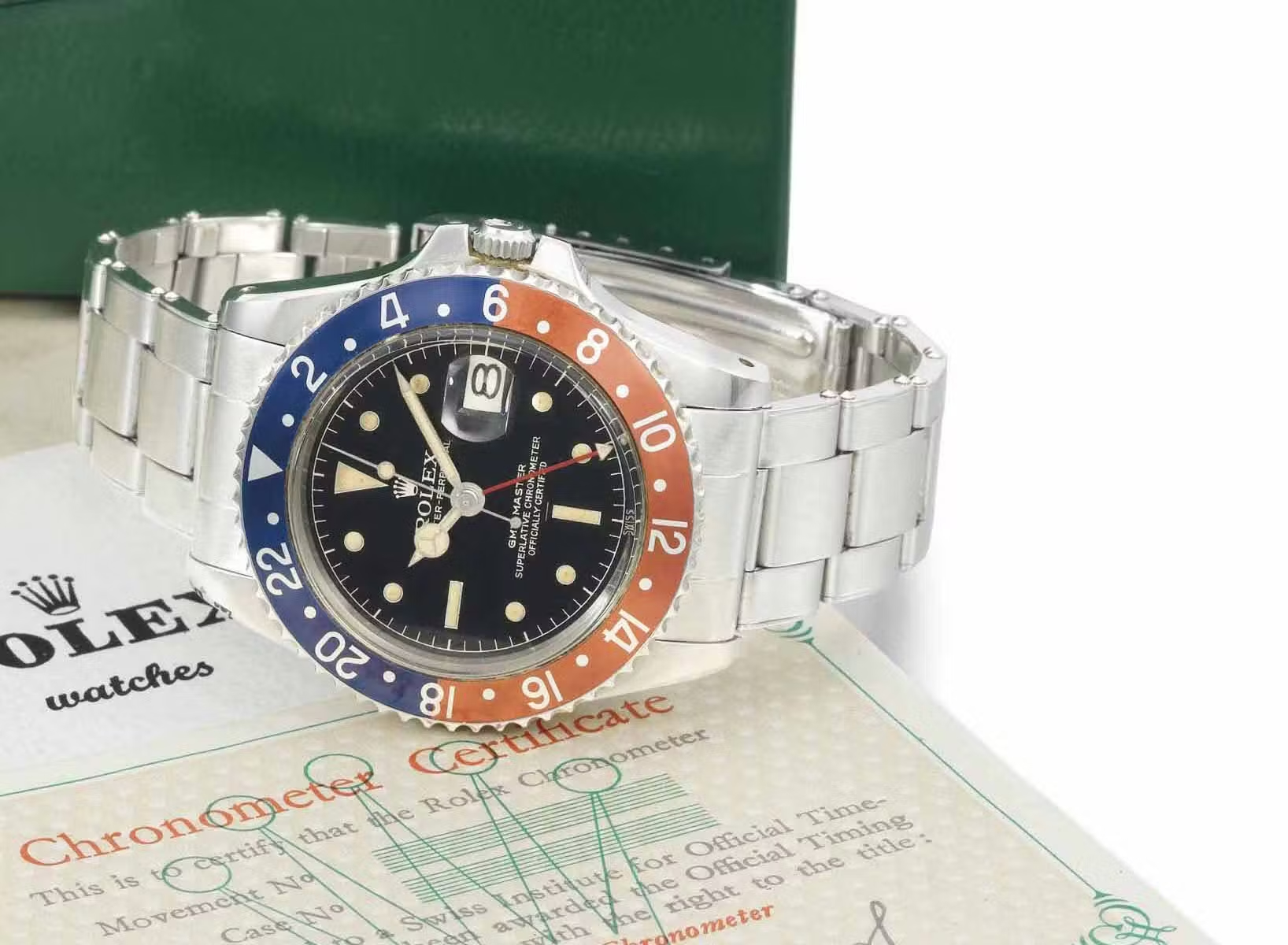
For seasoned travelers and professionals juggling different time zones, this watchmaking complication simplifies time management on an international scale. Sometimes referred to as the GMT complication (standing for Greenwich Mean Time), this function allows for the simultaneous display of local time and the reference time from the Greenwich Meridian. On the watch, this complication is generally identified by the presence of an additional hand, distinct from the hour and minute hands. Dual time zone watches may also feature a rotating bezel to easily adjust the GMT reference time.
• Power reserve
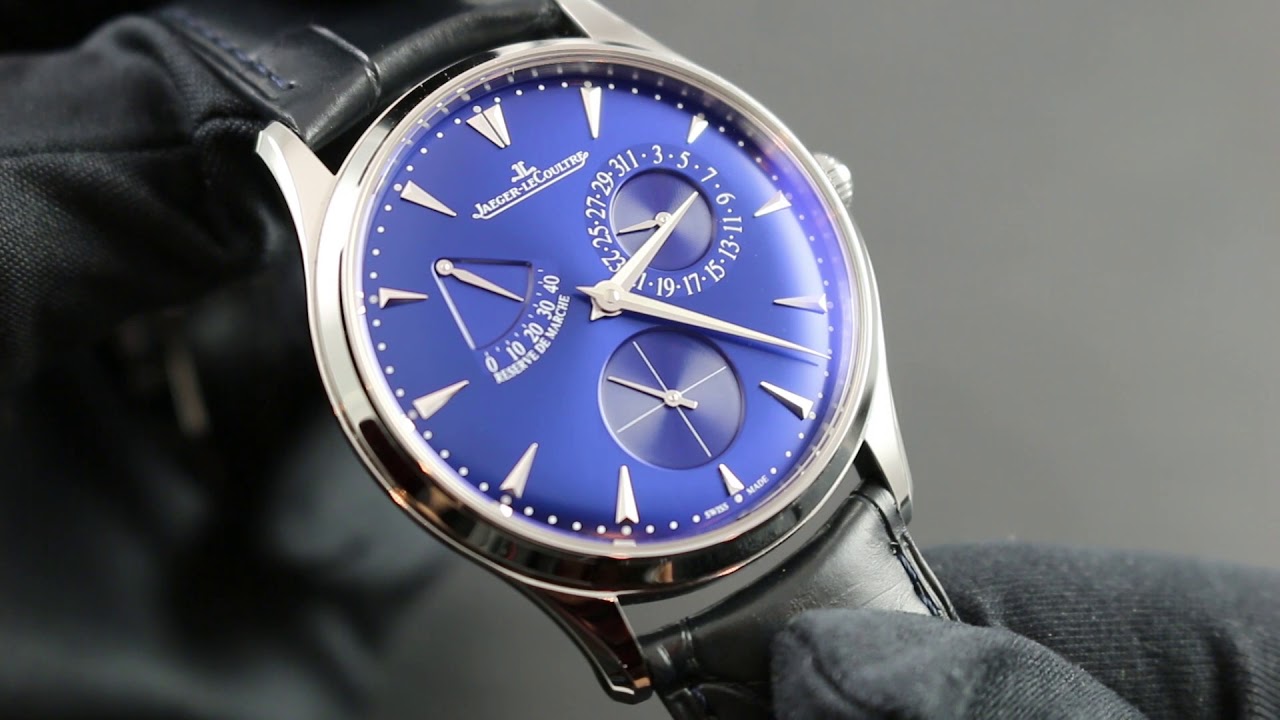
At the heart of your mechanical watch lies a crucial element: the power reserve. This complication—often subtle yet essential—provides a valuable indication of your timepiece's power reserve, allowing you to manage its energy and anticipate when it needs winding. Beyond its practical utility, the power reserve stands as a testament to exceptional watchmaking craftsmanship. This function is typically displayed on the watch dial via a graduated scale or a dedicated hand. It may be expressed in hours, days, or even weeks, depending on the movement's power reserve capacity.
• Moon phase
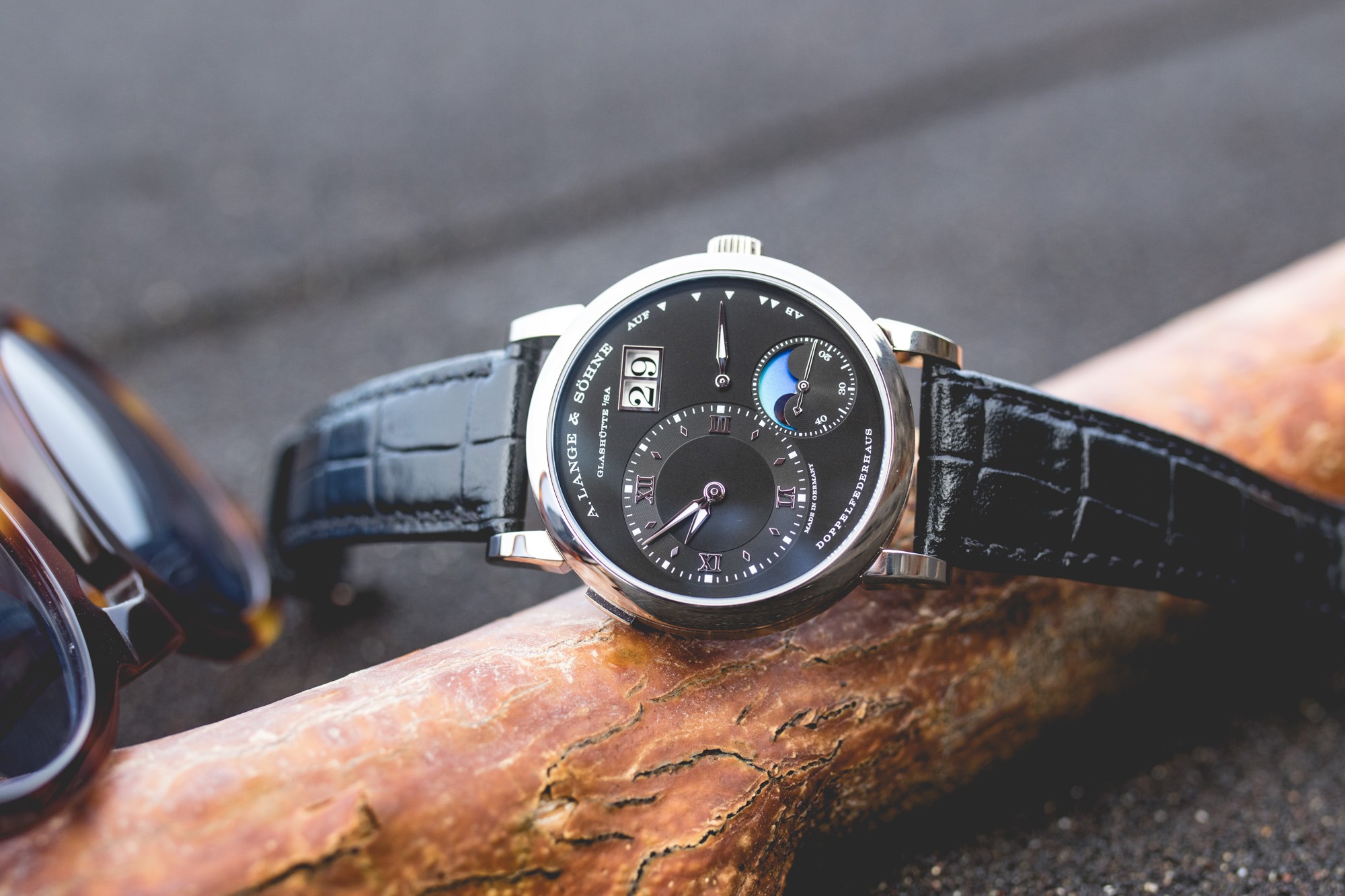
This complication reproduces the lunar cycle on your watch dial. There are generally two main types of displays. The timepiece may feature a rotating disc or an aperture on the dial representing the moon, with its surface partially darkened to simulate the phases of light and shadow. Alternatively, the watch dial may feature a dedicated hand alongside various lunar representations, such as the new moon or full moon. Thanks to a complex mechanism, the hand moves to indicate the appropriate display for each lunar phase.
Watchmakers offer many other complications in watches, ranging from indicators for seasons, equinoxes, solstices, and zodiac signs to tide displays.
Watches that become market benchmarks thanks to their complications
The world of watchmaking complications is vast and constantly evolving. From Rolex to Hublot, as well as Patek Philippe, Longines, and Panerai, the greatest watchmaking houses are constantly pushing the boundaries of innovation and craftsmanship. Some of the most notable complications offered by renowned watch brands include:
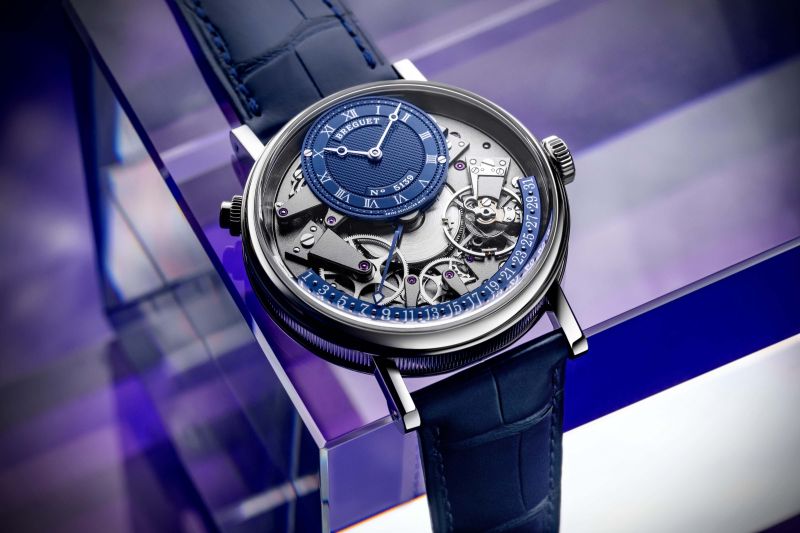
• The Tradition by Breguet and the minute repeater: among watchmaking complications, the minute repeater holds a special place, fascinating collectors and fine watchmaking enthusiasts with its complexity. This ingenious function allows a watch to chime the hours, quarters, and minutes on demand with remarkable precision, transforming it into a veritable miniature orchestra. This invention is said to have appeared in the late 17th century and required the assembly of an impressive number of tiny parts—up to 500 units—to operate. With their high-quality leather strap, Breguet’s Tradition watches embody the exceptional craftsmanship of master watchmakers;
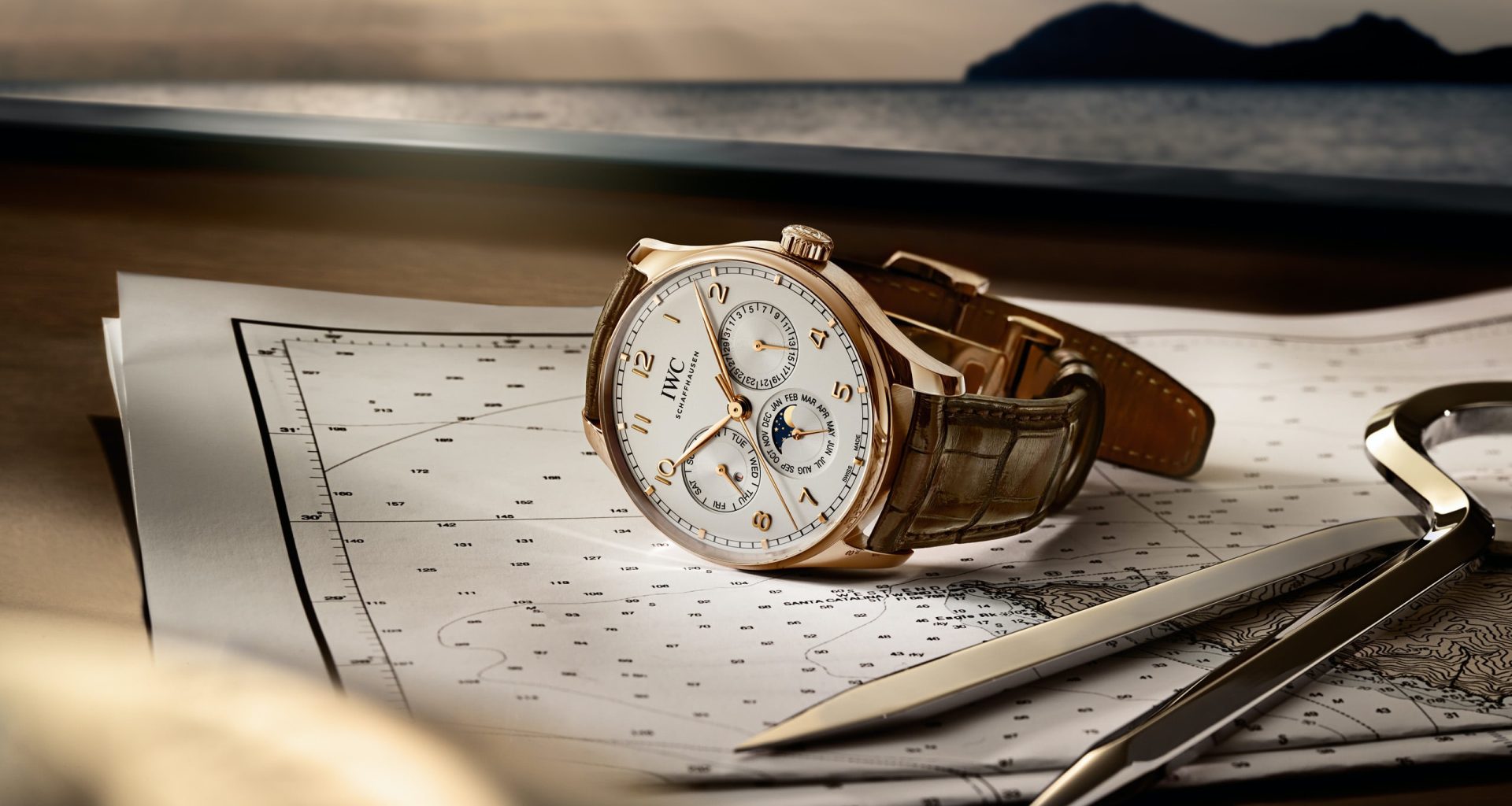
• The IWC Portugieser with perpetual calendar: this complication transforms a watch into a true miniature calendar on the wrist. It is distinguished by its ability to display the day, date, and month automatically and precisely, accounting for the irregularities of the Gregorian calendar, such as leap years. True feats of miniaturization and mechanical complexity, perpetual calendar watches offer users timekeeping of unparalleled precision. This complication relies on a sophisticated assembly of wheels and cams that constantly interact to advance the calendar indications. Each component is meticulously designed and sized to ensure perfect synchronization and flawless precision. With their clean dials and a wide selection of premium leather straps, the watches in IWC’s Portugieser collection feature various complications depending on the model;
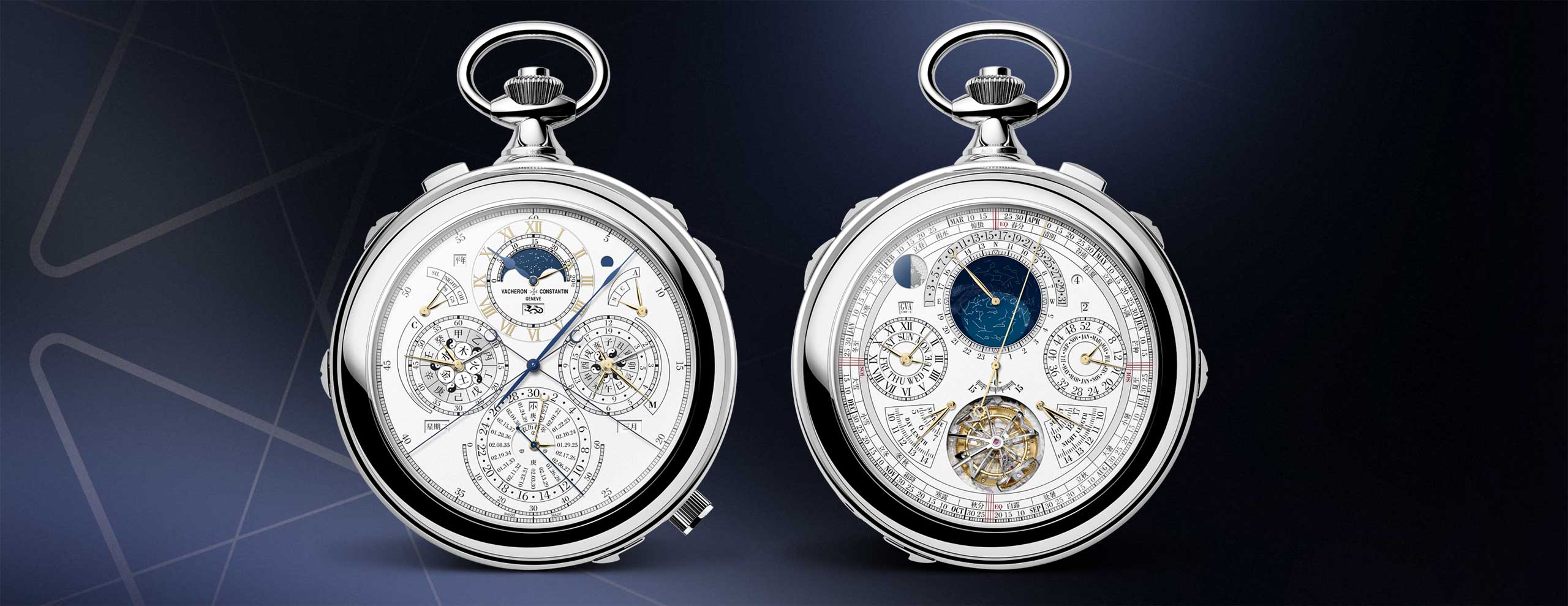
• The Vacheron Constantin Berkley Grande Complication and its record-breaking 63 complications: unveiled by the watchmaker in 2024, this pocket watch pushes the boundaries of mechanical watchmaking in terms of complexity. With its 63 complications, it stands as the most complex watch ever created, surpassing even its predecessor—the Vacheron Constantin 57260—which held the previous record with 57 complications. Among its complications, this timepiece features, among other things, a Gregorian and Chinese perpetual calendar, six alarm functions, a split-seconds chronograph capable of simultaneously measuring two distinct durations, and a star chart displaying the constellations. Its creation required nearly 11 years of work, with no fewer than three master watchmakers assembling approximately 2,900 miniature parts, including around thirty hands.
While the smartwatches that have emerged in recent years represent a concentration of high technology, the complications found in mechanical or automatic watches stand as a testament to the technical prowess of watchmaking houses. Despite their timeless appearance


