

 English










How did pilot's watches originate?
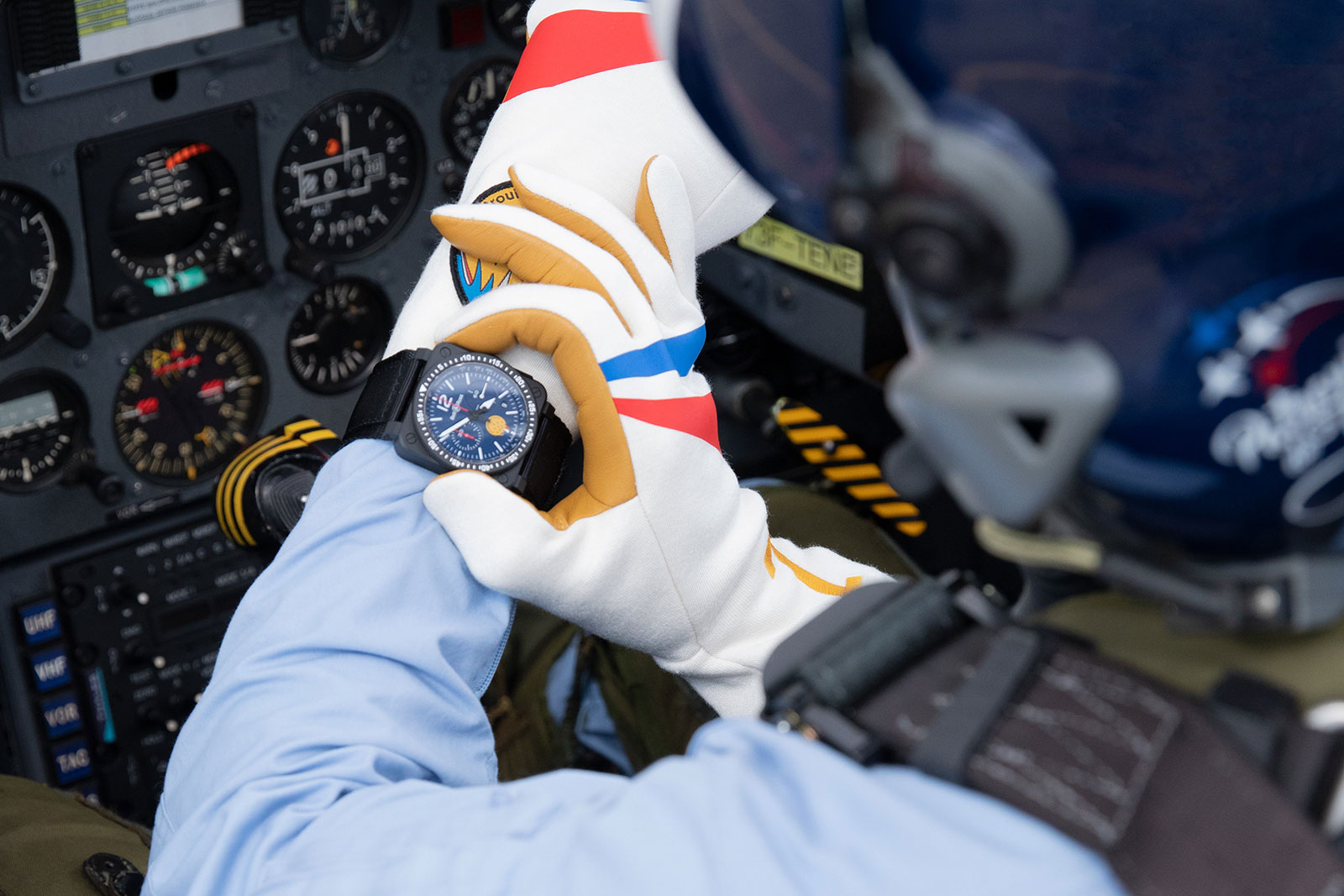
To understand the emergence of the aviator wristwatches that pilots and enthusiasts love to wear, we must look back to the era of the pioneers. A leap back of nearly 125 years takes us to the early 20th century—a time when aviation and aeronautics were still in their infancy.
Seen as true explorations of the unknown, the first flights were made possible by the daring of a handful of brave and ingenious aviators. Building their own prototype flying machines, figures such as the Wright brothers across the Atlantic, as well as Louis Blériot and Alberto Santos-Dumont in France, became iconic pilots whose names remain etched in aviation history. Some of these legendary figures played a role—directly or indirectly—in the emergence and evolution of watches.
The pocket watch: ill-suited to the needs of aviators
In fact, one of these aviation pioneers was the driving force behind the creation of the wristwatch designed specifically for aviators. Far removed from the extraordinary, state-of-the-art modern aircraft seen today at air shows like the Paris Air Show, the earliest flying machines were born of the ingenuity of pioneer aviators.
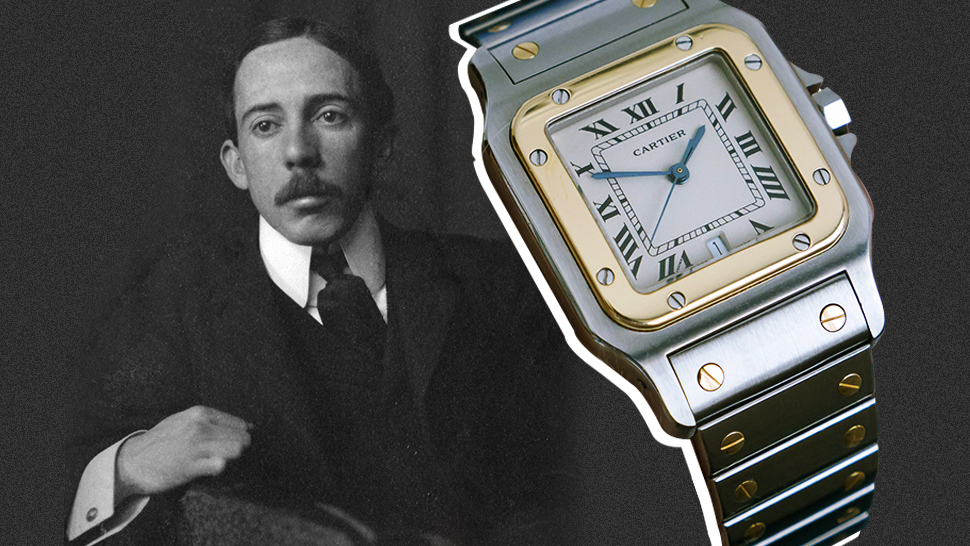
Drawing on their research and experiments—and working with relatively limited technology—they managed to build machines of varying success capable of leaving the ground and taking to the air. One of the first flights, lasting approximately 12 seconds, is credited to the Wright brothers. In France, Alberto Santos-Dumont was also conducting trials. He was the creator of a revolutionary invention that transformed the evolution of watchmaking: the wristwatch designed for pilots.
In the early 20th century, the pocket watch reigned supreme in the world of watchmaking. Carried in a waistcoat pocket and secured by a sturdy chain—often made of precious metal—the watch of that era was primarily a luxury item for wealthy men. As for watches fitted with a strap, they are viewed more as pieces of jewelry and are generally intended for women.
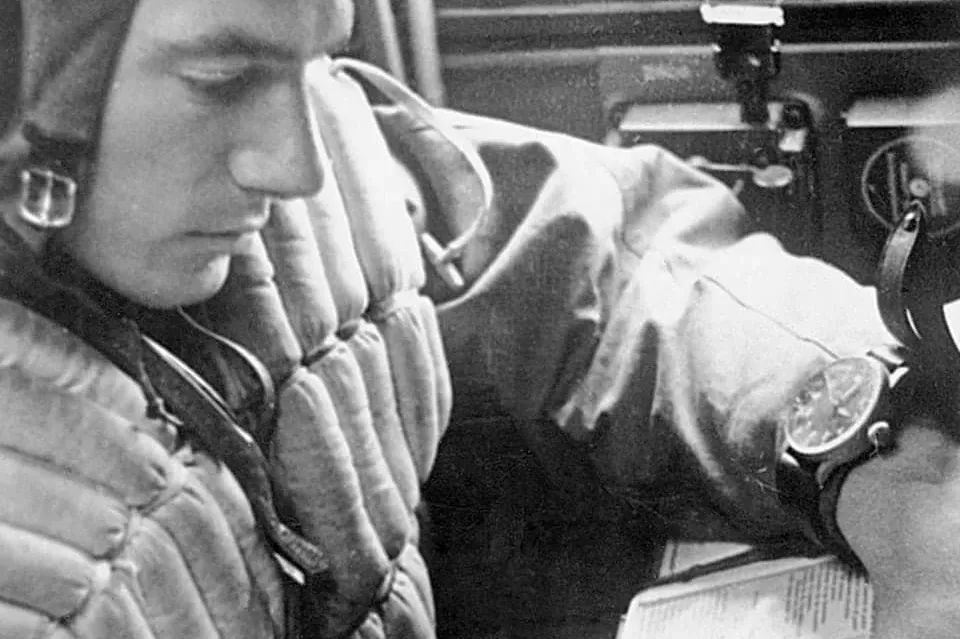
During the feats that inevitably required them to regularly monitor their flight time, aviators had no alternative to the impractical pocket watch. This led to the popularization of strap-mounted watches—first among pilots, and later among men in general.
The wristwatch: the ancestor of aviator watches
To time his flight records, Santos-Dumont needed a new watch that could be accessed without letting go of his fragile aircraft's controls. The aviator asked Louis Cartier to create the first wristwatch for pilots—worn on the wrist with a leather strap—allowing him to keep an eye on the time while flying. As aviation soon became a high-profile activity, the French-made Cartier wristwatch became a symbol of daring and pioneering spirit. The watchmaker even named one of its luxury watches—inspired by the aviator's timepiece—after Santos, cementing its status as a coveted fashion item.
The advantages of a wristwatch for aviators
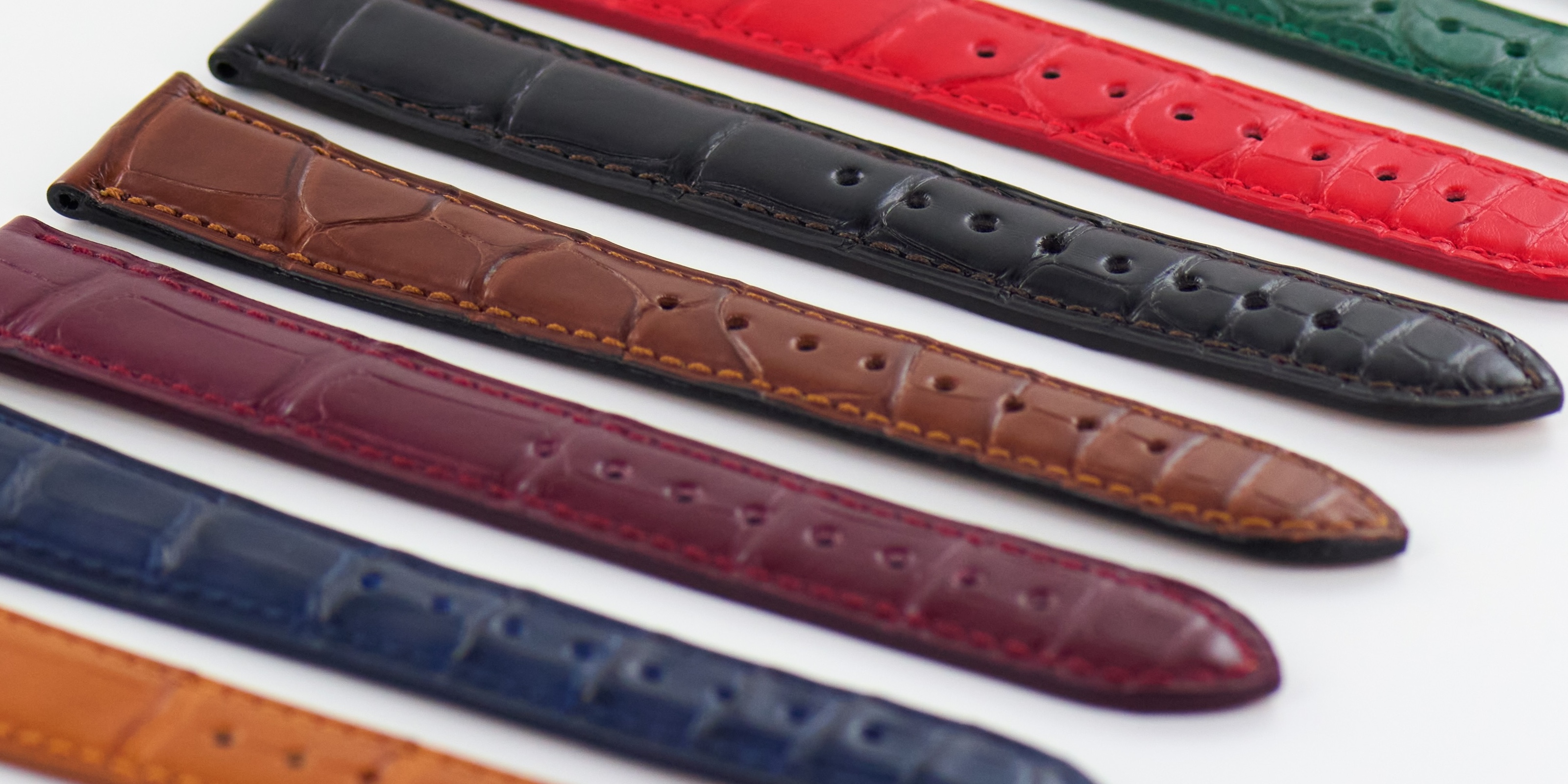
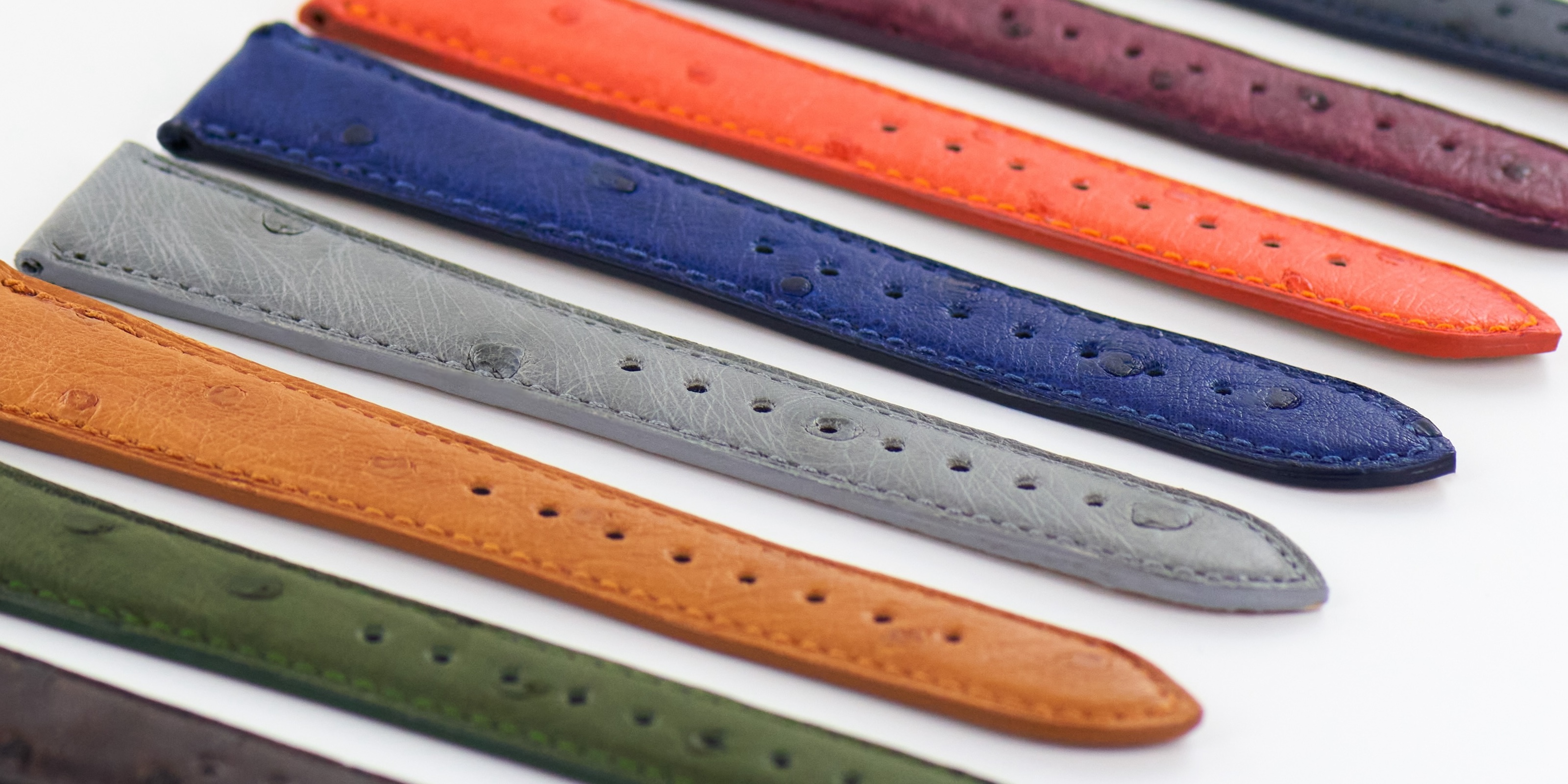
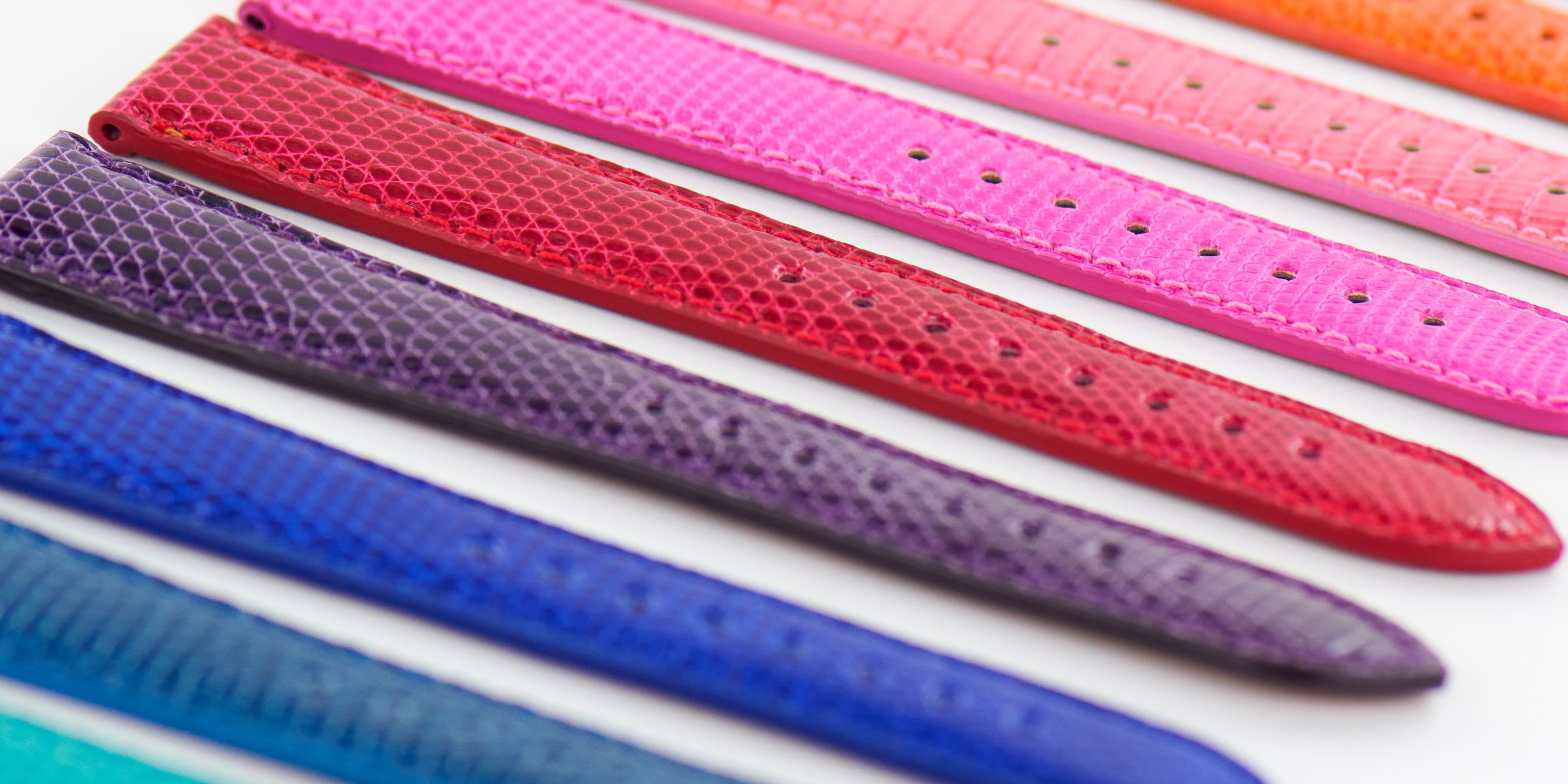
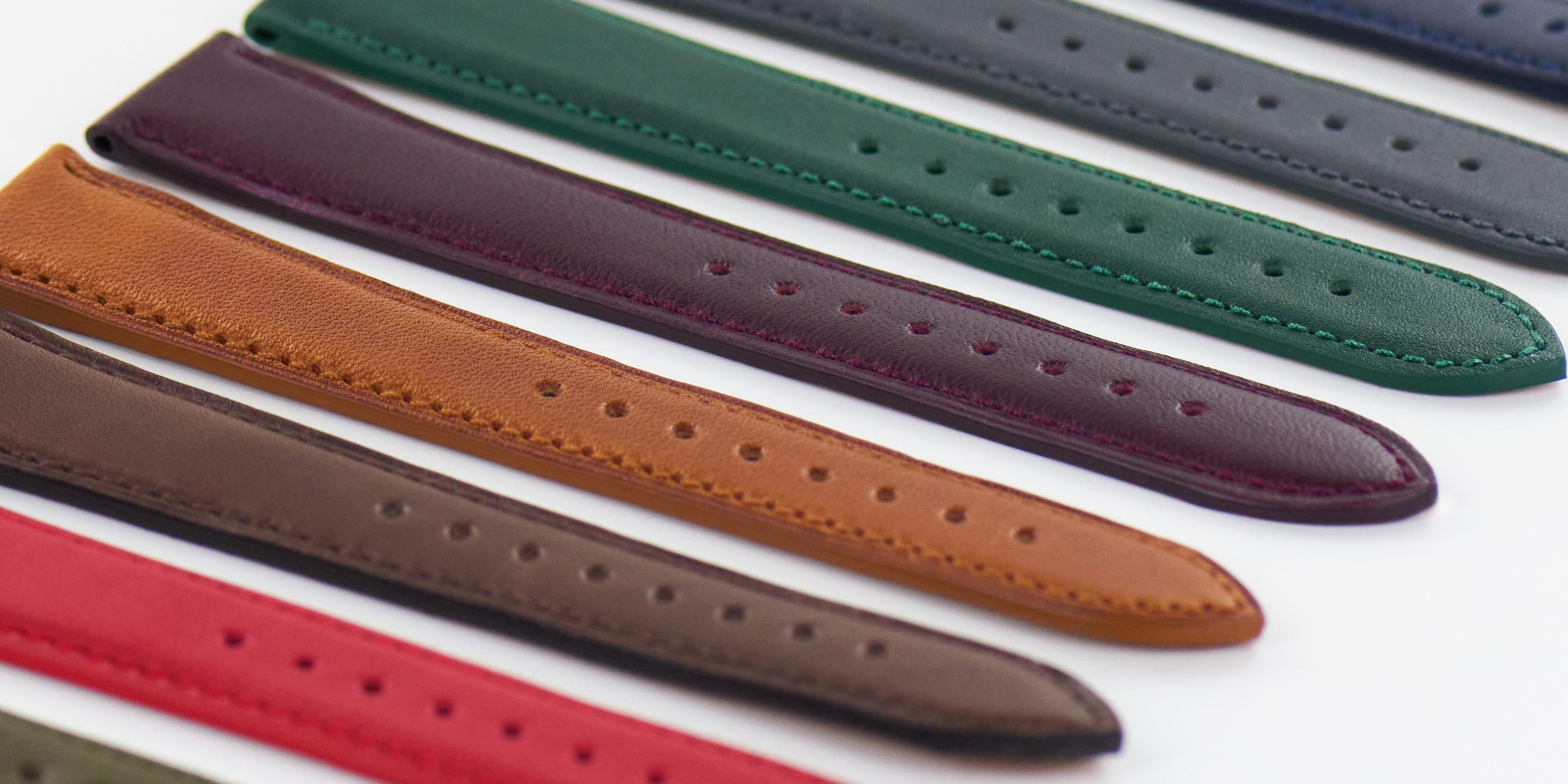
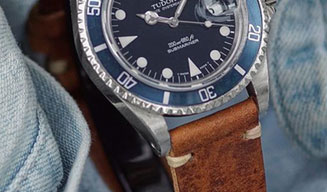
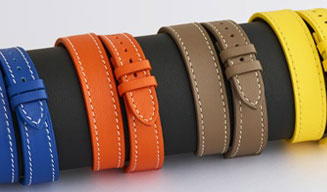
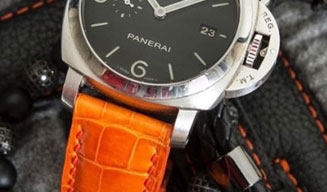
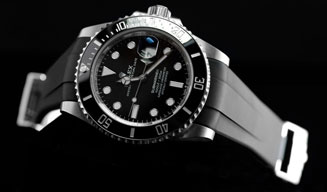
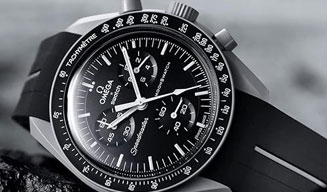
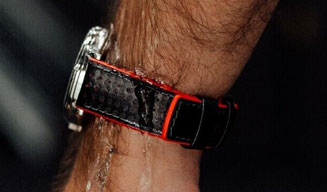
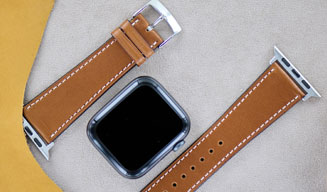
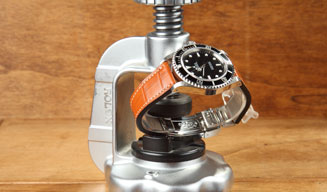
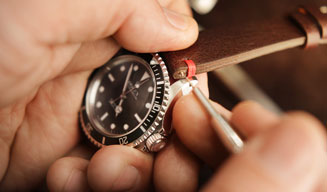
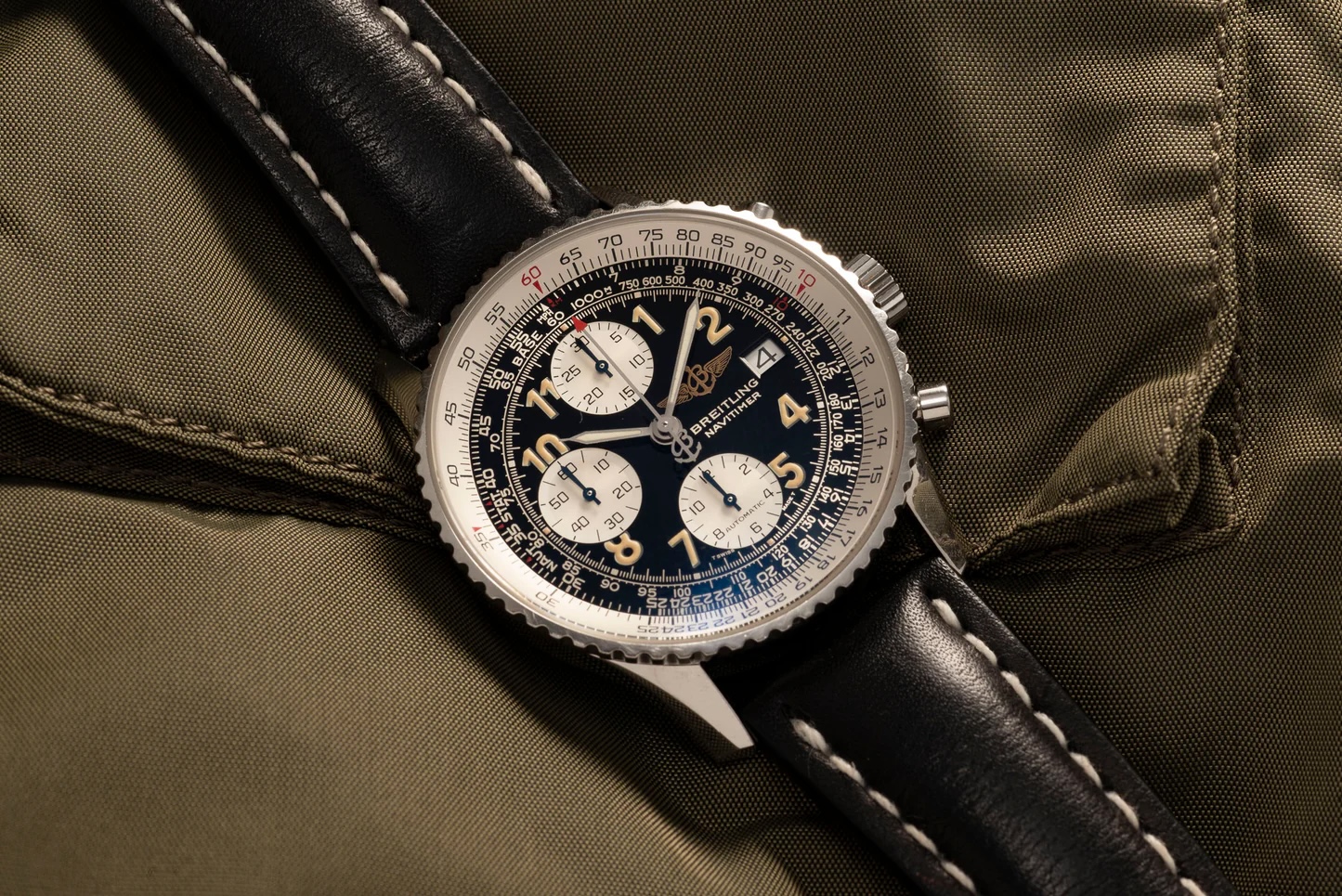
Comfort, readability, and resilience against the elements are qualities attributed to pilot's watches featuring a strap. More than just an accessory, the strap holds the watch firmly on the wrist—even during sudden movements or intense vibrations—a crucial quality for aviators.
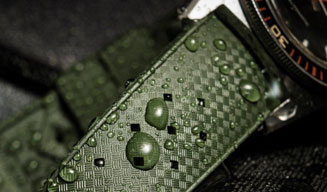
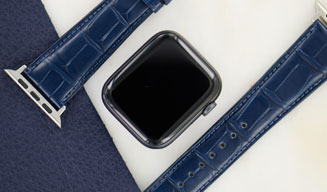
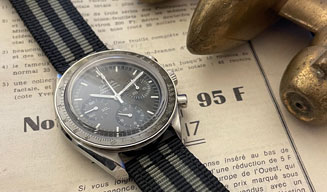
The strap also helps the watch better withstand shocks and scratches. Thick leather straps or robust metal ones—and later, those made of Nato nylon or rubber, for example—stand up to any challenge, particularly the harsh conditions encountered during flight.
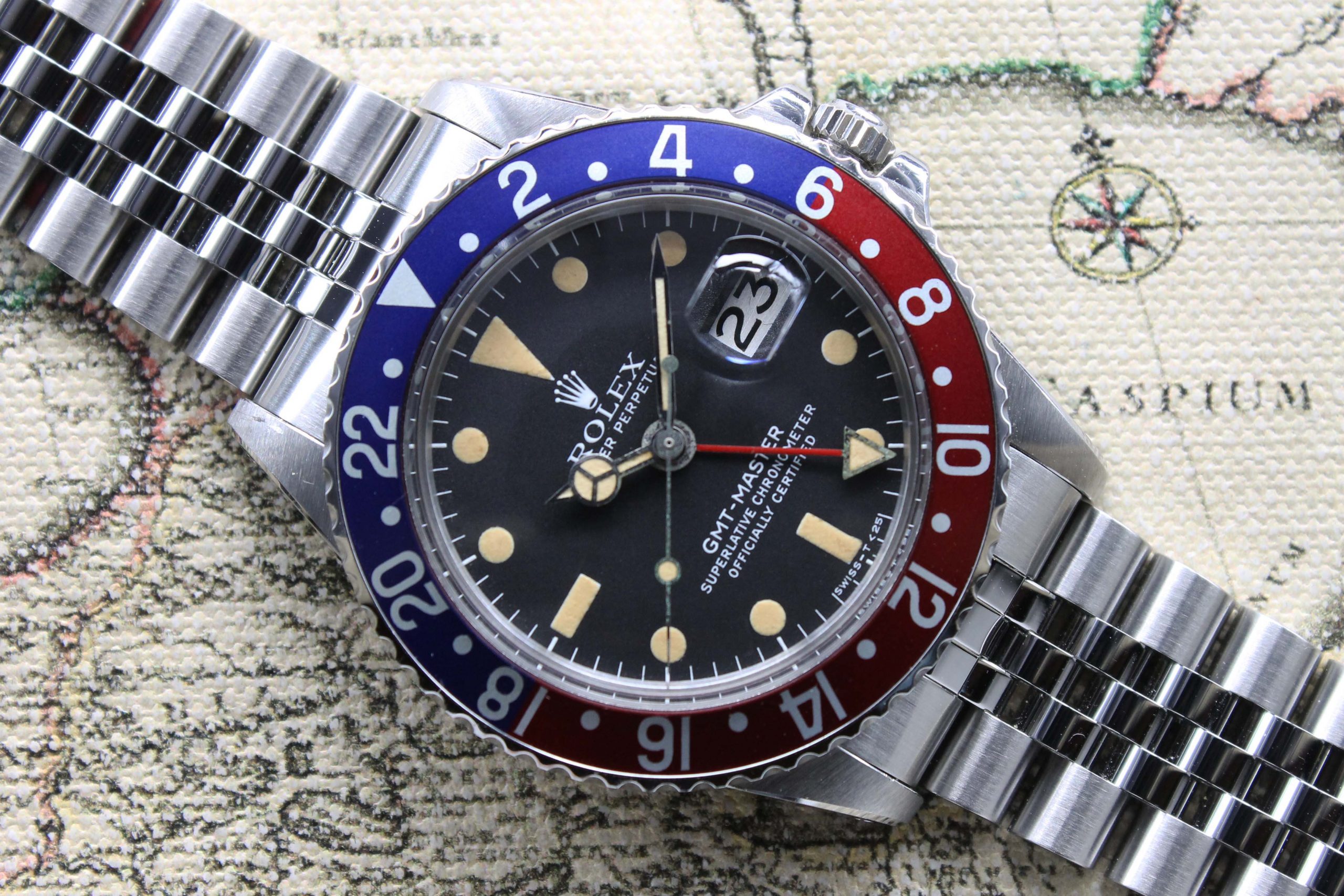
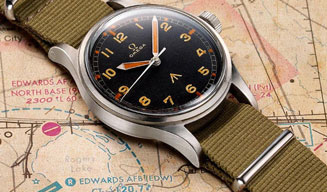
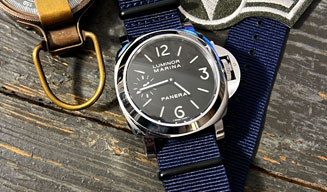
A well-fitted strap offers optimal comfort for prolonged wear and complements the watch's style, adding a touch of elegance, sportiness, or sophistication. Furthermore, the buckle used to fasten the two parts of the strap can be designed for easy opening and closing while wearing gloves—a practical feature for aviators. A strap in a color that contrasts with the watch case and dial can also improve the legibility of the hands. For pilots who need to use their watch during a flight, dial legibility is paramount.
Pilot’s watches: iconic models from leading watchmakers
While Cartier had the ingenious idea of creating the first wristwatch designed for pilots, most players in the watchmaking industry also contributed their own refinements—such as chronograph functions, steel bracelet options, rotating bezels, and chronometer-certified timepieces.
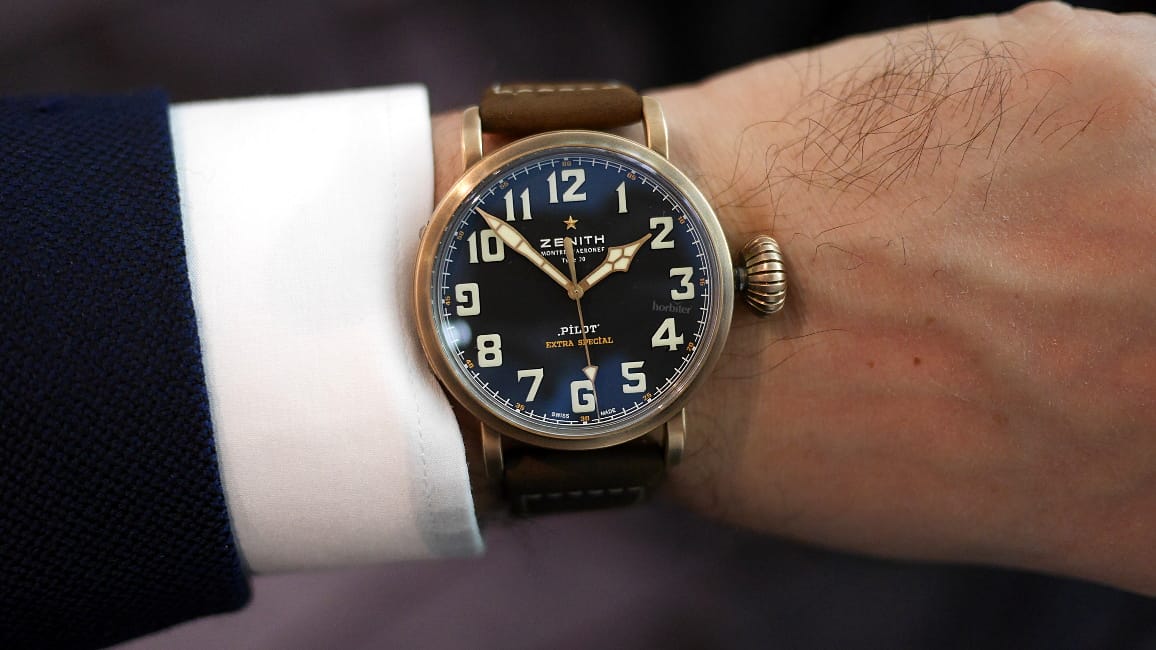
Several new pilot’s watches were subsequently launched, becoming benchmarks of the era's fine watchmaking:
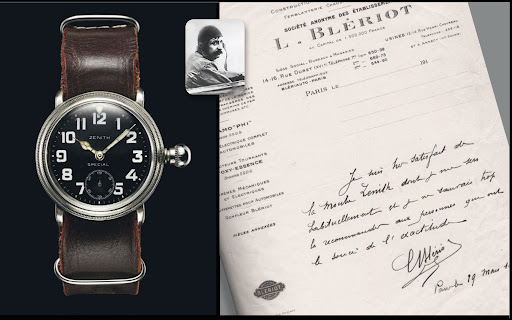
- In 1909, French aviation pioneer Louis Blériot made history by crossing the English Channel in his monoplane. For this daring adventure, he wore a highly legible Zenith watch on his wrist. The aviator praises Zenith’s craftsmanship and precision, reinforcing the reputation of both the brand and the Zenith model;
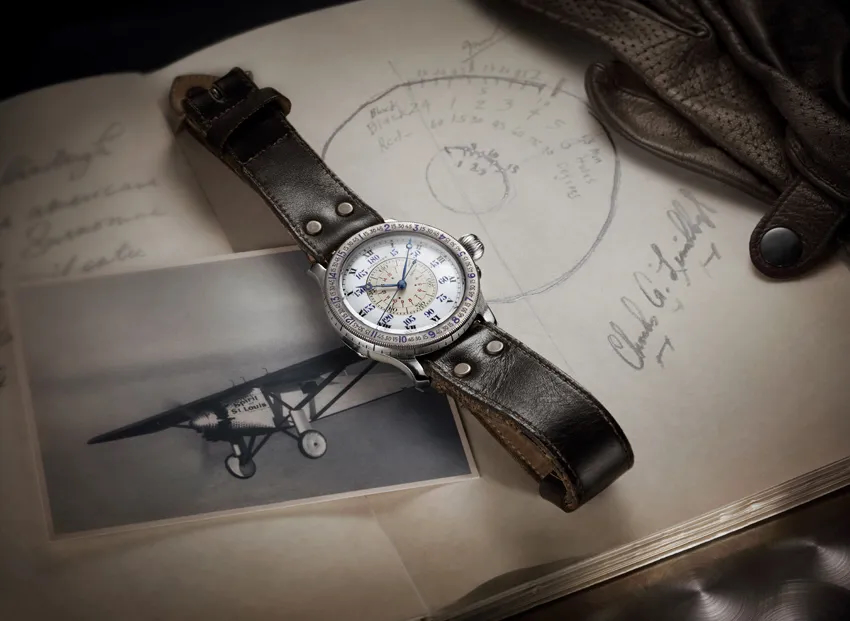
- The Longines Lindbergh takes its name from the famous aviator Charles Lindbergh, who completed the first solo transatlantic flight—connecting New York and Paris—in 1927. Lindbergh collaborated with Longines to develop a navigation watch capable of precisely determining geographical position during flight. The Longines Lindbergh Watch subsequently became an iconic timepiece in the world of aviation.